

Politics, Pragmatism, and Opportunism – a Brief History of Finnish Cold War Tank Procurement
Every so often, listeners of the podcast are treated to a healthy rant, stemming from feedback that someone has again complained about politics being “dragged” into a long form discussion about tanks. While it would undoubtedly be interesting to hear the case for how any particular tank could have an apolitical procurement process, sales history, or much less combat record, some tanks are certainly more political than others. While many tank fleets, big and small, can compete for the title of being the most affected by politics, I would argue one is hard pressed to find one that better encapsulates the political intricacies of tank procurement than Finland’s during the Cold War.
By Rasmus Marjanen
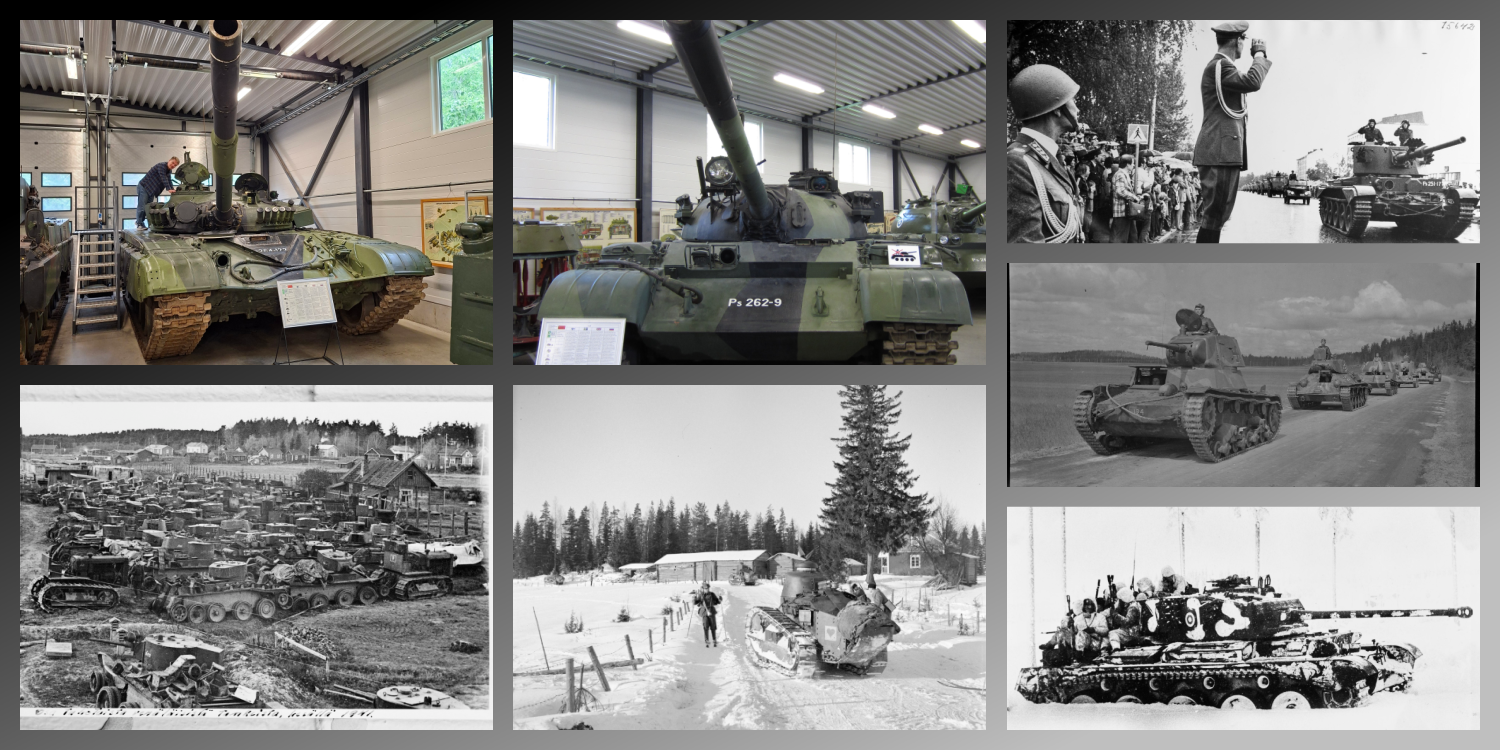
Every so often, listeners of the podcast are treated to a healthy rant, stemming from feedback that someone has again complained about politics being “dragged” into a long form discussion about tanks. While it would undoubtedly be interesting to hear the case for how any particular tank could have an apolitical procurement process, sales history, or much less combat record, some tanks are certainly more political than others. While many tank fleets, big and small, can compete for the title of being the most affected by politics, I would argue one is hard pressed to find one that better encapsulates the political intricacies of tank procurement than Finland’s during the Cold War.
Squeezed between East and West, and lacking the infrastructure or experience of a wholly domestic tank design, the Finnish military was still adamant in maintaining a tank force, and to achieve this both the military and political leadership had to get creative at times. A myriad of factors, such as restrictions imposed by the Paris Peace Treaty, the pressures of great power politics, and an all too familiar lack of funding the state budget, all contributed to the outlook of the Finnish tank fleet during this period. To this came the added fact that the machines were chiefly to be operated by conscripts, which meant that any new models also had to be adapted accordingly. In order to understand how the Finnish armoured corps ended up driving around in T-26s well into the 1960s in order to avoid wear and tear on British models sitting in storage, all the while trying to keep late war Panzer IVs operational without access to spare parts, it is first necessary to look at a brief evolution of the tank in Finnish service.
Regarding the terminology used, it is worth noting that the composition and naming conventions of the armoured forces changed several times in the covered time period, so I will mainly be referring to the tank forces more colloquially. Furthermore, many of the Cold War acquisitions included numerous other armoured vehicles, which I will largely be omitting to focus on the tanks. The exact numbers included in these sales also tend to fluctuate somewhat depending on to the source.
From a running start to a standstill – The interwar period
Finland had proclaimed itself independent from the crumbling Russian empire in December 1917 and fought a brief but brutal civil war in the spring of 1918 that left the country deeply divided. During the first years of independence the military budget was strained, which would become a recurring feature. Additionally, throughout much of the 1920s, the debate was ongoing on whether the country should adopt a conscription army on the Prussian model, or a more militia-based system based largely on Swiss example, with the former finally winning out. What role the tank – which had only recently made its debut in the Great War – should play in this structure, was therefore not the most pressing issue. Nevertheless, the Finnish military managed to take a leap into modernity with the purchase of 32 used, battle tested Renault FT-17s in the fall of 1919. The arrival of French instructors also put Finland on the map in terms of the potential for future arms deals, at a time when the new nation eagerly sought international recognition.
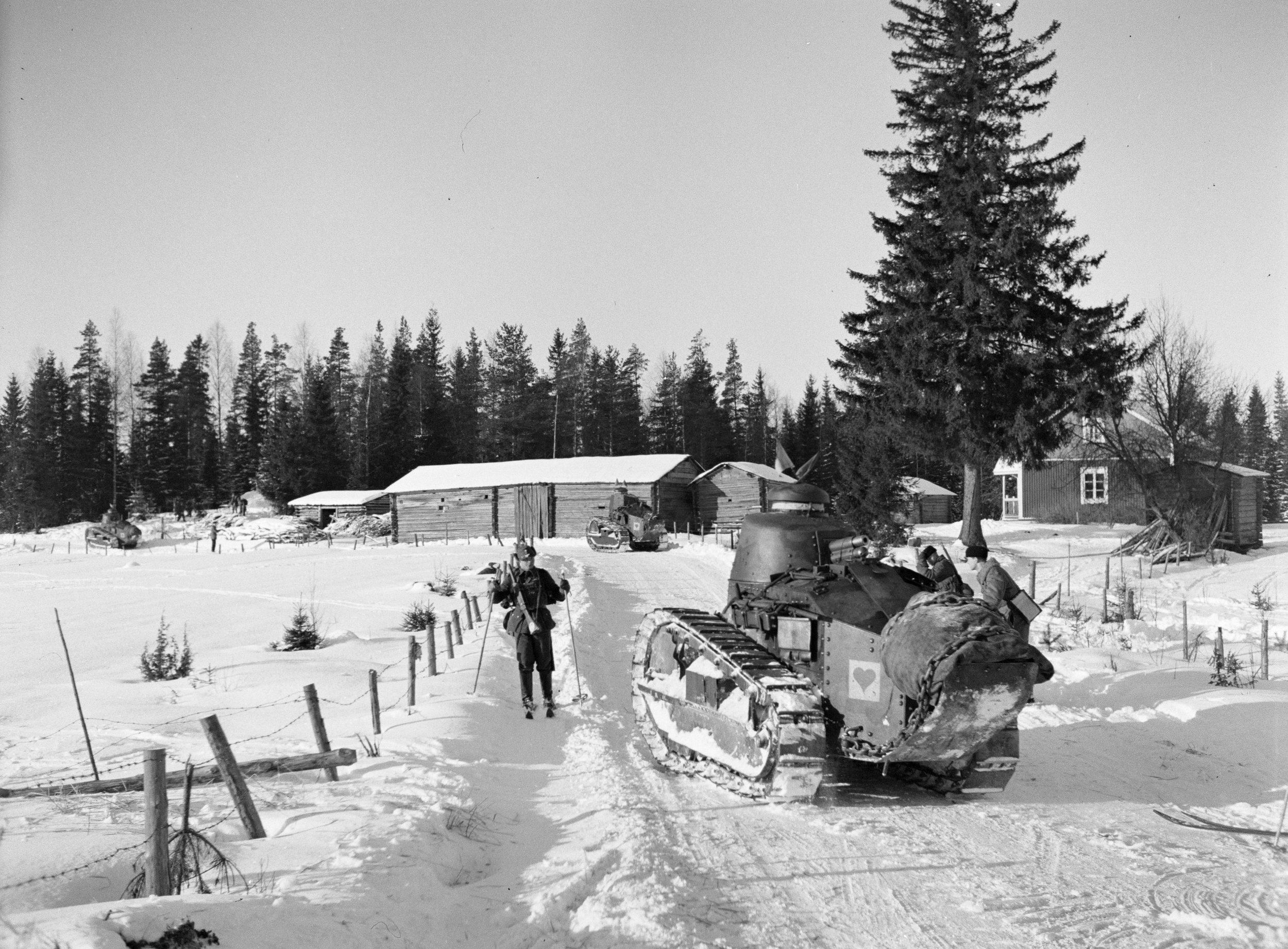
Despite being obsolete by the time the Winter War began, the Renaults were put to good use in training. Seen here on field exercises in 1939. Source: Vapriikin kuva-arkisto.
The Renaults came in two variants, armed with a 37mm Puteaux cannon or 7.92mm Hotchkiss machine gun respectively. Limited plans for their deployment were drafted in the 1920s and 1930s, but their small number restricted any grander plans, and the higher leadership viewed the tank with some scepticism. The purchase was nonetheless significant and would have long lasting consequences for the role of armour in the Finnish military structure. In fact, at no point since has the Finnish army fielded such a modern and successful tank as it did during those first years of independence. Unfortunately for the Finnish tank corps, these were only supplemented with a limited number of Vickers 6-tons throughout the inter-war years. While this meant that the Finnish tank arm was hopelessly outnumbered and outgunned when war broke out in November 1939, the existence of even a limited mechanised force did mean that the military had some experience to draw from. The fate of the Renaults, however, was far from glamorous. The army had some insight into the state and scale of Soviet armour, and the Renaults were known to be completely outmatched. Some would be harnessed to tow away captured Soviet tanks, while the rest were dug down as static gun emplacements and subsequently lost. Today, the one survivor can be found at the Parola tank museum.
Improvisation and adaptation – The war years 1939–1945
Despite the crushing advantage that the Soviets enjoyed during the winter war, particularly regarding armour, the terrain was largely unsuitable for the large-scale deployment of tanks. The lumbering troop-columns of the invading Red Army famously became bogged down on the few roads available at the eastern Finnish border, with smaller Finnish contingents splitting them into smaller sections and wiping them out piecemeal. This provided the Finnish army with a vast quantity of spoils, and almost overnight the Finnish tank arm found itself bolstered by numerous models of Soviet equipment, including T-26, BT-5, BT-7, T-37A and even the massive T-28 tanks. The vast majority consisted of T-26 variants, many of which remained in service throughout the Second World War and beyond.
Ironically, the almost complete lack of modern anti-tank weapons also contributed to machines being captured intact. These were then shipped to the hastily erected tank depot in the city of Varkaus that swelled with the quantity of captured equipment. There they were cannibalised, repaired and tested to push them back into service. The war would last only 105 days, and as a result relatively few made it back to the front to be used against their former owners during this round. Surprisingly, however, the Soviets did not make stringent demands to have these returned in the peace settlement in the spring of 1940, which meant that Finland was left with a considerable, although rapidly aging tank fleet. The pace of development during this period meant that many of the captured models were in many respects outdated when war commenced again in the summer of 1941. As had been the case with the Renaults, however, the military would look for ways to utilise any and all equipment available, and even older models proved useful for training purposes during the interim peace 1940–1941.
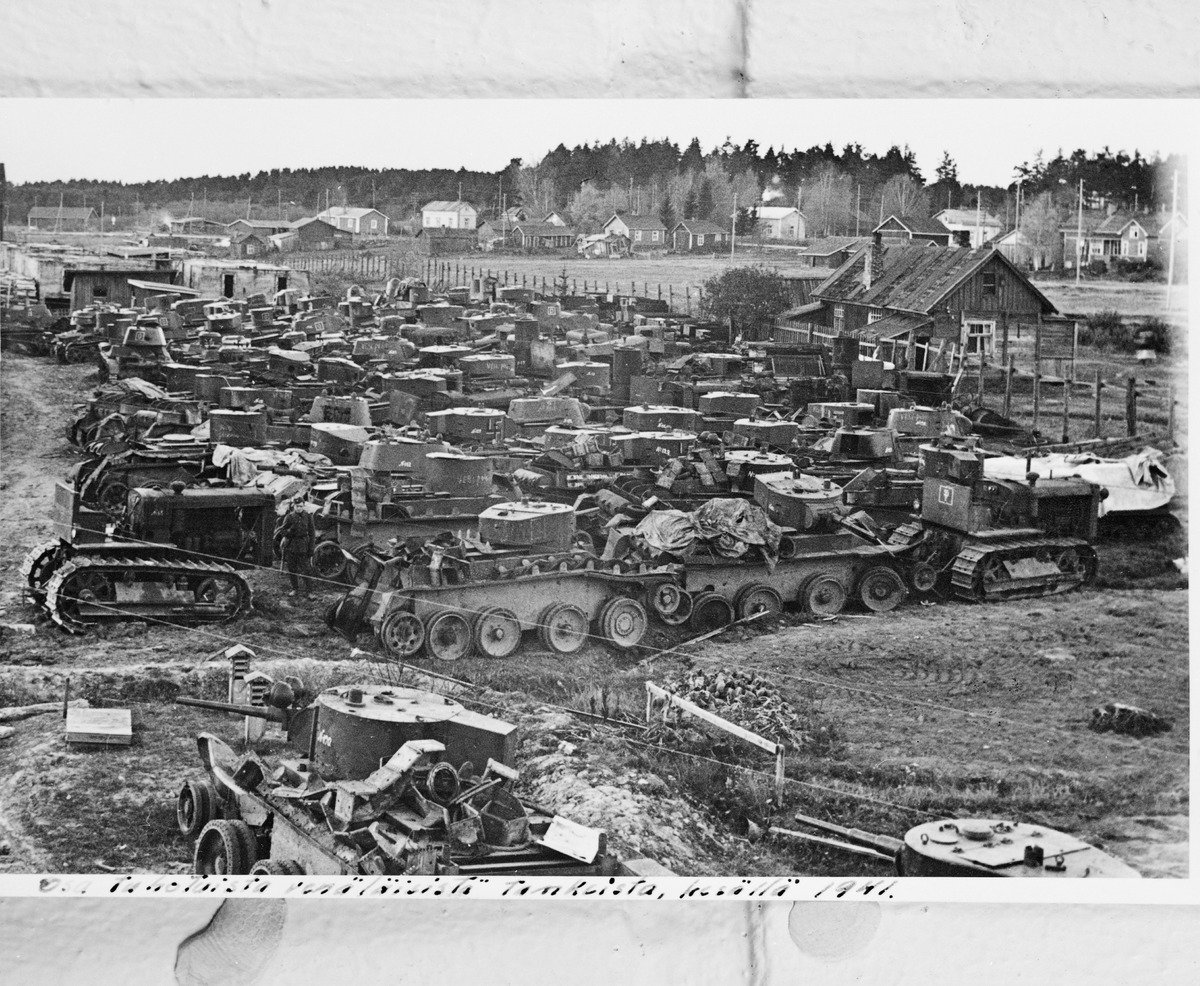
Most captured Soviet tanks first found their way to the tank depot in Varkaus. This picture from the summer of 1941 demonstrates the various states of repair of the captured machines. Source: Museovirasto, Historian Kuvakokoelma, Valokuvaamo Jäniksen kokoelma.
The harsh terms of the Moscow Peace Treaty led to a sense of revanchism, and Finland incrementally aligned itself with Germany on the eve of Barbarossa. When the invasion began, German troops were already stationed in Finland, and to the dismay of the government, Germany declared that Finland was part of the invasion. While the army was in full readiness and well aware of the attack, this was viewed as problematic, since the country wanted to avoid the stigma of being the aggressor, and instead viewed the war as an extension – a continuation – of the unprovoked Winter War. After Soviet planes had already bombed several locations, Finland declared war on the 25th of June and crossed the border on a wide front. The Continuation War had begun.
Initially, the advance was quick, and the Finnish forces advanced steadily over the lost territories. Towards the fall, however, casualties started to mount. Additionally, the fact that Finnish troops crossed the old 1939 border was controversial even at the time, and it would have repercussions in later peace negotiations. Tanks were part of the spearhead and were used to great effect, but the topography limited them largely to the roads. Unlike in many other theatres, they did not constitute a decisive weapon for the advancing Finns. By late 1941, the front had become mostly static and would remain so until the deadlock was broken by a massive Soviet offensive in the summer of 1944, in which armour would again play a central role.
The tanks captured during the Winter War formed the basis of the tank forces during the first war years, and these would later be supplemented with German models, particularly StuG III Gs – the version in Finnish service usually referred to simply as the STU-40 – and Panzer IVs, with the former constituting the mainstay of Finnish armour until the end of the war. In the thick forests and poor roads, these machines were still up to the job, although far from the cutting edge by the late war period. Captured vehicles were also continuously pushed into service throughout the war. Through this practice, Finland acquired some KV-1s, a number of T-34-85s, and even the odd ISU-152. Additional T-34s were also purchased from the Germans. The army also experimented with the captured materiel, with perhaps the most famous example being that of the BT-42 assault gun, which perfectly encapsulated the intricacies of the Finnish utilisation of armour during the war. The idea was to extend the usefulness of the captured BT-7s, by fitting them with a British 114mm howitzer, which had been donated to Finland during the Winter War as a show of solidarity for a small people fighting its larger neighbour. By the time the howitzers went into action against the former owners of their mounts, Finland and Great Britain had already been at war for well over a year. However, with its massive profile and lack of armour penetration, this design was in many ways lacklustre, and its effectiveness was overestimated by the military who were overly pleased with such an ostensibly domestic product. Many were lost during the Soviet summer offensive in 1944, but again, one of these can still be found at the Parola tank museum, where – much like it was during the war – it is very hard to miss.
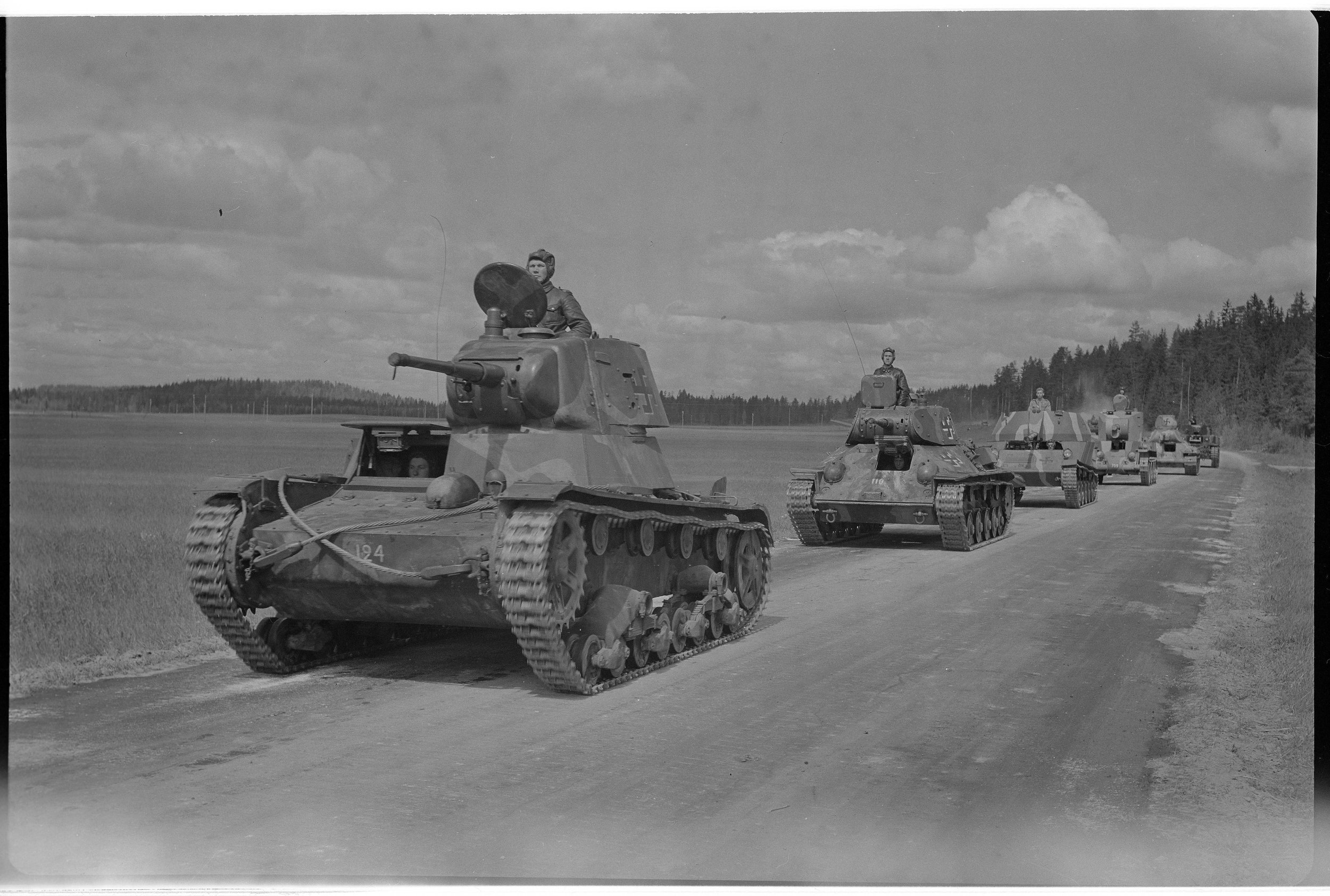
A classic picture from a parade in the summer of 1944, just prior to the Soviet summer offensive that began on 9 June, that captures the range of the Finnish armoured forces during the Continuation War. Many wartime models would stay in service decades into the Cold War. Among the captured Soviet models pictured is a Swedish Landsverk Anti II self-propelled anti-aircraft gun, a number of which were supplied by Sweden during the Continuation War. These would also be used well into the 1960s. From first to last: T-26 m 1939, T-50, Landsverk Anti II, BT-42, T-34 and a T-28 m 1938. Source: SA-kuva.
Over the course of the war, the tank arm would evolve from a battalion to a regiment and finally a division, commanded by the legendary Major General Ruben Lagus. The division played an important role during the defensive battles on the Karelian Isthmus in the summer of 1944, and following the armistice with the Soviet Union in September it made a final show of force against Finland’s former German allies in the Lapland war, when Finland – as stipulated in the armistice agreement – had to disarm and expel the Germans from the country. In a fitting symbolism of the improvised nature of the Finnish tank forces and the fickle politics involved, the tank division spent its last actions utilising the armour provided by the Germans against them. After the division was officially disbanded in December 1944, the Finnish tank arm started more than a decade of slow decline and struggle for relevance.
Demobilisation and stagnation – The early Cold War
Following the armistice, the Finnish military was rapidly demobilised and restricted. An Allied Control Commission, dominated by the Soviets, arrived in the fall of 1944 to oversee that all the clauses were followed to the letter. Similar commissions were deployed to other nations that had been aligned with Germany, and the Commission remained in the country until the signing of the Paris Peace Treaty in 1947, where additional restrictions on the Finnish armed forces were ratified. Although the restrictions were more concerned with the air force, the navy, and the overall size of the military rather than the relatively limited armoured forces, they had a profound effect on the outlook on the Finnish military throughout the Cold War. This included a complete ban on U-boats and bombers as well as missiles. The last part would later be amended for the country to be able to maintain any credible AA-capabilities and to secure its own airspace. Another noteworthy detail was the complete ban on buying German arms – more on that later.
The British, who were also part of the Control Commission, were keen on limiting the size of the armed forces, since they suspected that any materiel could potentially end up in Soviet hands, in the event that the whole country was occupied in a similar fashion to many other European nations in the Soviet sphere during the crucial post war years. For the Soviets, the main goals were to pacify Finland and make sure that none of the other great powers could assert influence over the country while making sure that the war reparations imposed in the armistice would start flowing to the war-torn USSR. Another consequential document affecting Finnish-Soviet relations throughout the Cold War was the Treaty of Friendship, Cooperation, and Mutual Assistance, signed in 1948 in the aftermath of the Commission’s departure. The treaty was chiefly meant to ensure that no other power could use Finnish territory to militarily threaten the Soviet Union and would regularly be harnessed by the Soviets to exert political pressure.
Although the peace treaty stipulated that any surplus materiel should be scrapped or relinquished to the Allies, the onset of the Cold War and the great powers’ shifting attention meant that this demand was not stringently enforced. As a result, Finland was again left with the tanks it had available at the end of the war. This was little consolation. The treasury was empty, the armed forces were limited by the treaty, and there were no readily available markets open for further purchases. What followed was a struggle for relevance for the armoured corps and efforts to avoid the total decay of the existing tank fleet. Germany’s collapse also had repercussions for the materiel at hand. Spare parts could no longer be attained for the existing Panzer IVs and STU-40s, which meant that they had to be used sparingly, some of them cannibalised, when necessary, to keep the rest moving. Not that any potential parts or ammunition, had they been available, would have been allowed for purchase – at least without intermediaries and the risk of a political debacle.
The problem was compounded with the Panzer IVs, since they were hastily built late war versions and not constructed to last for decades. This became more evident over time and manifested in examples such as drills in the summer of 1958, when all participating Panzer IVs had to be towed back to their depot. Parts for the Soviet models would of course have been available, but the idea of making weapons deals with the Soviets in the immediate aftermath of the war was not very appealing, particularly if this risked the inclusion of Soviet instructors.
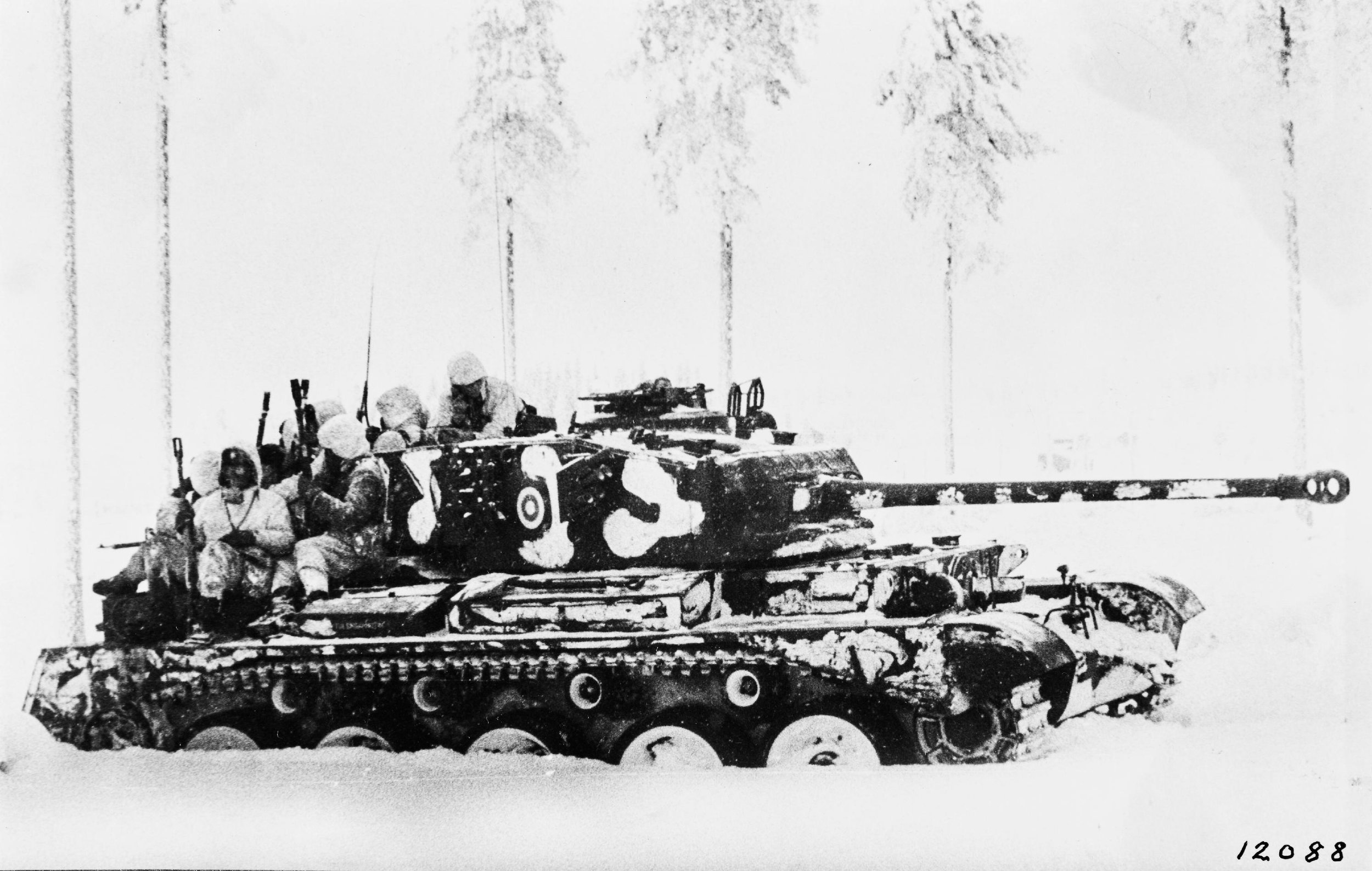
A Comet carrying infantry during exercises in 1963. The Comets were prioritised in training so that the Charioteers could be spared for war time use. Source: Museovirasto, JOKA, Kaleva.
Lighter models, such as the T-26, were more numerous and could be used for training purposes to a greater extent. This also became an issue in and of itself, as they remained in service for so long that the army complained that they were antiquated to the point of failing to provide a realistic example on the use of armour. The T-26 was finally phased out as a training vehicle in the early 1960s, giving some indication of the state of the tank arm at the time. The heavier tanks were mostly to be stored for the eventuality of war since the lack of parts limited their use. Despite the abysmal situation after the war, the general staff soon started looking for options to supplement and modernise the tank forces. Additionally, some effort was put into assessing the use of armour during the war, which would form the basis for the future doctrine of tanks in Finnish service. The lessons from the war would still be apt during the Cold War as Finnish tanks could expect to always be facing a stronger enemy, and the terrain would limit their use.
From 1954 onwards, probes for additional purchases intensified. Finnish delegations looked at the French AMX-13, and even the Centurion and the M-48 were considered. However, money was a limiting factor, and the latter models were deemed too pricey. Other options looked at were Polish and Hungarian T-34s, which would have been handy as the Finns were quite familiar with these models, but no deal was struck. For reference, the military had some 250 tanks stored for war time use at this point, all of them models that had seen the last war. Somewhat ironically, Britain was soon identified as a potential seller, and in 1957 Finland was given the option to purchase Charioteer tanks on the cheap. It was also a politically feasible option, as the British were signatories of the treaties affecting Finland. Another consideration was that the Finnish rail network could not handle tanks over 30 tons before the end of the 1950s. The Charioteer combined the two main prerequisites that the Finns had: It had a decent 84mm gun and it was cheap. So cheap, in fact, that the major sent to inspect the deal was suspicious of the low price. The sellers, however, assured him that they just wanted to get rid of the old machines and make room for the Centurion. The purchase of the Charioteer marked the first major tank acquisition for Finland in the Cold War. These were later supplemented with Comets, also bought on the cheap, that were intended to be used in training to preserve the Charioteers for war time use. The Finnish tank arm had finally managed to make a Cold War purchase, but it wasn’t exactly a leap into modernity, and so the search continued.
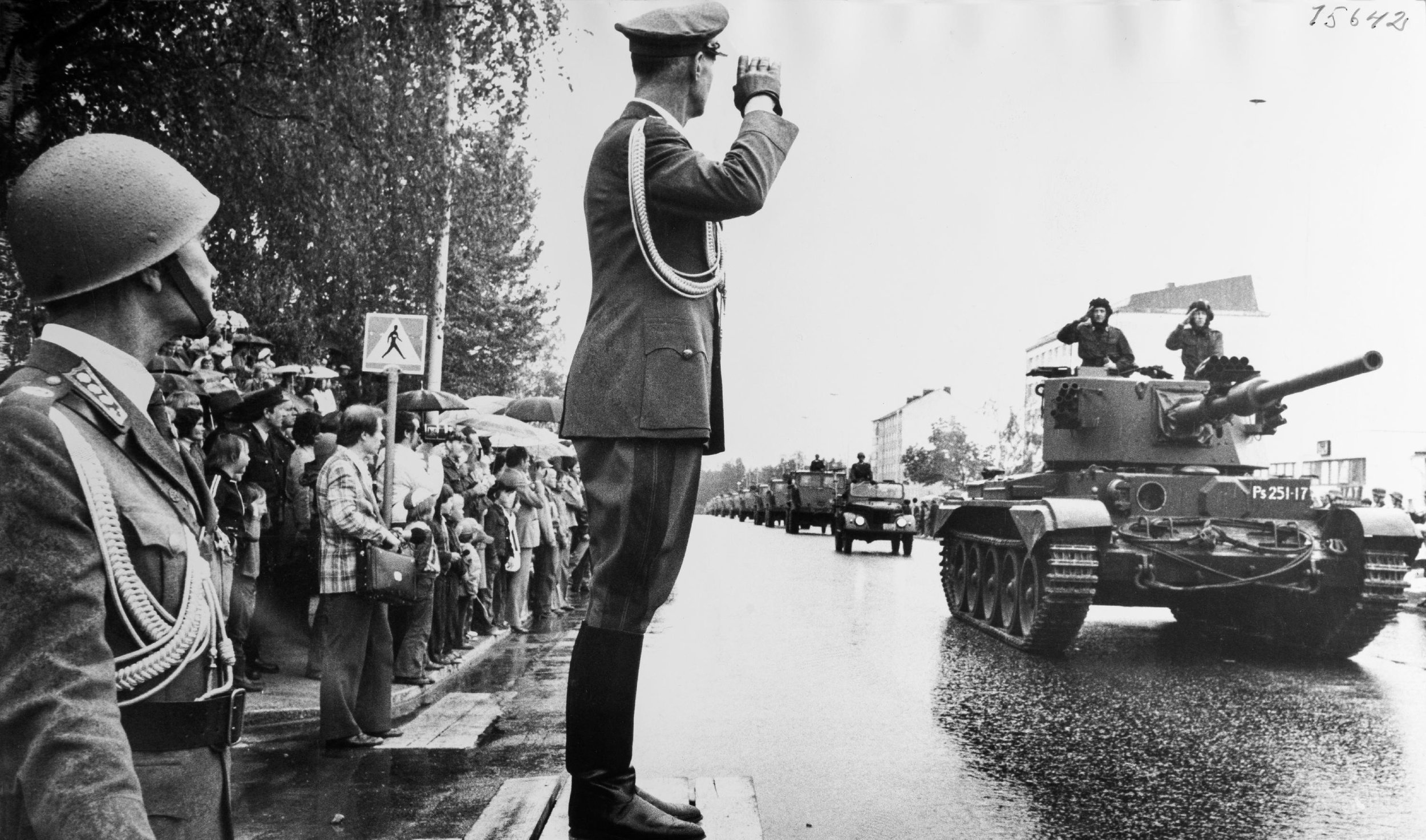
The Charioteers marked the Finnish military’s first new tank acquisition after the Second World War and remained in service until 1980. Seen here during the parade on the Flag Day of the Finnish Defence Forces in 1975. Source: Museovirasto, JOKA, Kaleva.
Soviet streamlining
Although the Charioteers marked the first major tank purchase after the war, they were nonetheless a stop gap measure. Along with the Comet, they would also prove to be the last British tank acquisitions for the remainder of the Cold War, as the Soviets surprisingly and suddenly offered to sell T-54s, and a deal for 12 tanks was struck without much deliberation in 1959. Although undoubtedly an upgrade, the armoured regiment’s testing of the tank concluded it to be an average machine. The significance of the purchase was that it prompted a shift towards Soviet machinery, which would eventually dominate the tank fleet throughout the rest of the Cold War. By the end of the 1960s, Soviet models already were the main armoured vehicle acquisitions, and the T-54 fleet was supplemented with the improved T-55. As the Cold War dragged on, the Finnish arms requisitions became dictated by a political balance, with roughly 1/3 coming from the West, 1/3 from the Soviets, and a 1/3 produced domestically. This helped alleviate the risk of any of the major powers opposing specific deals and ensured at least some level of self-reliance. Inquiries were also made to produce a domestic tank, but the pace of development, budget considerations, and the availability of foreign sales led to the project being dropped. Finland did produce a domestic armoured personnel carrier, the Pasi (Panssari-Sisu), in 1983, specifically with peacekeeping missions in mind, but that is another story.
The prominence of the political aspect in Finnish arms imports during this period is also exemplified with the MiG-21 deal in the early 1960s. Following a political crisis with the Soviet Union in 1961 concerning the question of defence and potential military co-operation, Finland had continuously reiterated to the Soviets that in order to secure its territorial integrity the country needed assets that could help secure its own airspace. The Soviets offered an unexpected solution with the brand-new MiG-21, which even Warsaw Pact countries hadn’t received yet. The deal was made without any prior testing, and the Finnish delegation was properly introduced to the model only after the purchase had been made. Needless to say, this was not the usual way for an air force to upgrade its most crucial assets, and the anecdote highlights the kind of relationship that Finland had with the USSR. Tanks and armoured vehicles were never quite as consequential as jet planes or missile technology when it came to politics, but they were by no means free from political considerations.
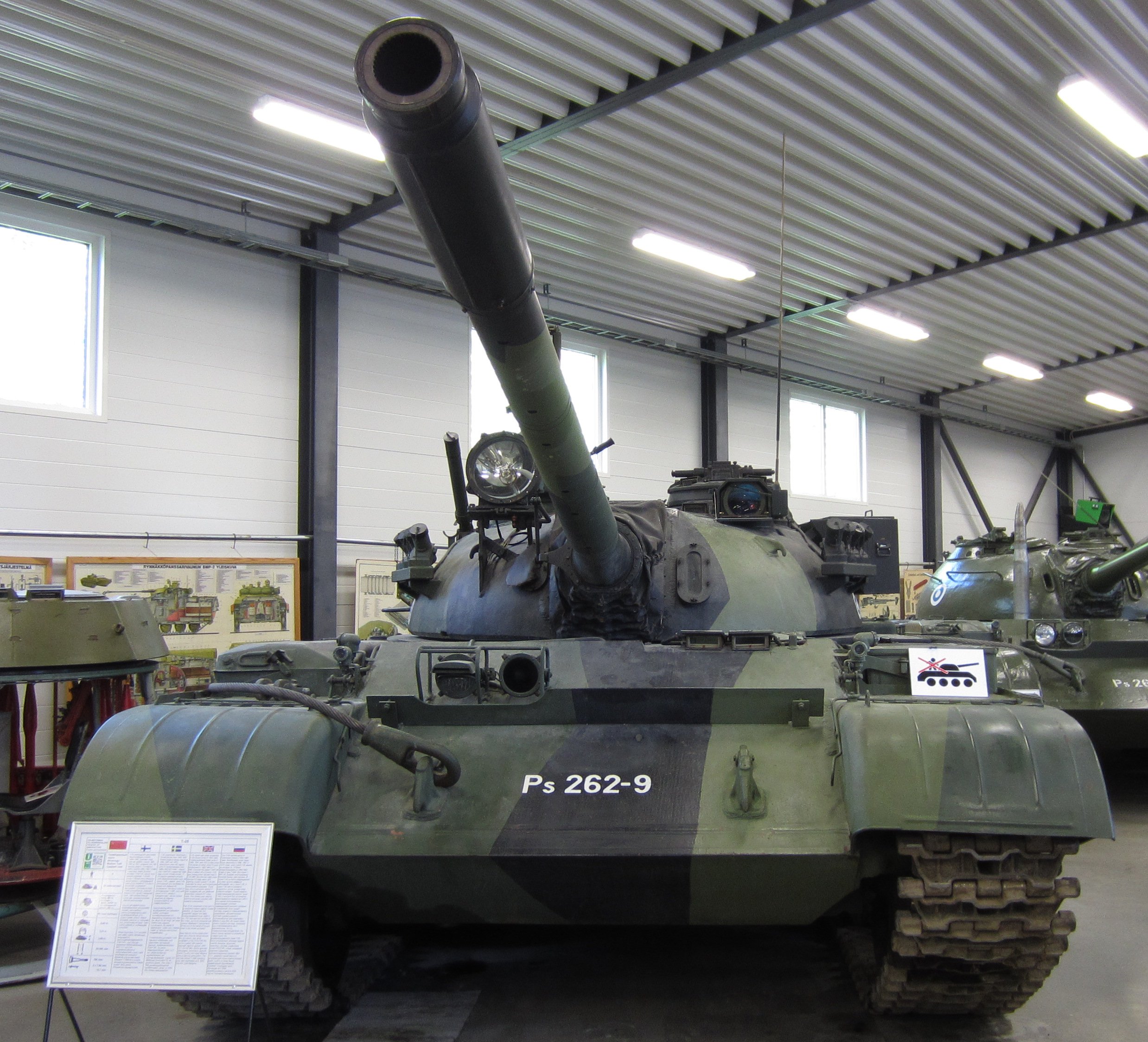
As the Cold War progressed, Soviet models came to dominate the Finnish tank arsenal. The T-55M, pictured at the Parola tank museum, stayed in service well into the 1990s. Source: Wikimedia commons, XoravaX.
As Petteri Jouko (2019) points out, the shift towards Soviet armour led to a curious development where Finnish armour upgrades followed the Soviet 5-year plans for a while. At the same time, the military leadership had no illusions as to which eventuality these machines were purchased for, although it was crucial not to explicitly paint the Soviets as the main enemy in training scenarios or war games. The Soviets, on the other hand, were unlikely to be worried that the sale of a few dozen tanks would tip the power balance in the Baltic Sea region. Finland simply provided an additional market and the tanks offered a way to exert influence by deterring sales from the West. The influx of Soviet materiel also enabled the military to finally decommission its WWII-era models, and in 1967 even the STU-40s were retired from a training role. In the same junction, the British tanks were phased out in favour of the growing and more modern Soviet arsenal. The last Charioteers were finally withdrawn from service in 1980, marking the end of the continuous use of British tanks since 1933. Some traditions were still honoured, as the T-54/55 tanks remained in service until the early 2000s, receiving several upgrades during this time.
While claims that the Soviets would only have sold the Finns second rate gear isn’t true – especially the T-55 represented a top-of-the-line machine at the time of purchase – they aren’t completely unfounded. For example, when the manuals for the T-55 were translated, it was discovered that the tanks had the capability to fire shaped charges and sub-calibre rounds, but it was years before these were made available. It was equally telling that the Soviets would simply leave this information in the manuals, not bothering to provide the exports with an edited version. Despite some inquiries and interest on behalf of the Finnish Defence Forces, Finland never acquired the T-62, instead jumping directly to the T-72 as an upgrade for the aging T-54/55 fleet. A Finnish delegation was introduced to the T-72 in 1979 by the Soviets, and this time around, money was much more of an issue than political considerations. The first shipment of T-72s arrived in 1984, and Finland purchased a total of 60 M1 and M1K models. In the end, these were the only T-72s supplied to Finland by the Soviet Union, but the waiting paid off, as there were about to be much cheaper avenues for expanding the fleet.
The arms depot at the end of the Cold War rainbow
The fall of the Berlin Wall opened up an unexpected new market. The GDR had amassed a staggering arsenal, only parts of which interested the Bundeswehr – having just signed the Treaty on Conventional Armed Forces in Europe (CFE) in late 1990, they wanted to get rid of much of it. While the Soviet Union disintegrated, Finland also declared the military articles of the Paris Peace Treaty defunct, including the ban on buying German arms, leaving only the section on nuclear weapons in place. As early as the fall of 1990, the Germans inquired whether Finland might be interested in getting some of the old materiel off their hands. The deals that followed were massive in scale and spread over several years, with the last shipment arriving in 1994. These included hundreds of armoured vehicles, artillery, and rocket artillery, along with their ammunition. Among the shipments were a 140 BMP 1s, 77 2S1 SPGs and over 40 MT-LBu-s, to name but a few. Crucially, the sale included a whopping 99 Czechoslovakian- and Polish-built T-72M1s of different variations, for a fraction of the price that the Soviets had demanded previously.
At a time when many other militaries were already eyeing their budgets based on a world map that no longer included the brooding presence of the USSR, the Finnish military went on a shopping spree that dwarfed any of the Cold War arms deals. This was likely more due to opportunism than any great prescience regarding the future threat from Russia, especially since much of the purchased materiel was later scrapped or sold off in the 2000s. At the time it offered a quick fix for upgrades that had been long overdue but hadn’t materialised. In a fitting end for the Cold War, this deal also marked the last large acquisition of Soviet tanks. A decade later, Finland opted for the Leopard 2A4 from Germany, with the A6 later supplemented from the Netherlands in the 2010s. The choice to switch to Western tanks appears especially vindicated today, as the political situation would yet again have made any potential dealings with Russia an impossibility and the reduced prominence of old Soviet models in Finland and elsewhere also lessening the reach of the Russian arms industry in the future. The war in Ukraine has accelerated this process, and the effects are likely to be lasting to a significant degree – a fact that is often underappreciated when viewing the tenacity of the Ukrainians in their defensive struggle and the staggering Russian armoured losses. Several European nations are already in the process of expanding and renewing their armoured fleets, and the older Soviet models are rapidly being phased out or shipped to Ukraine.
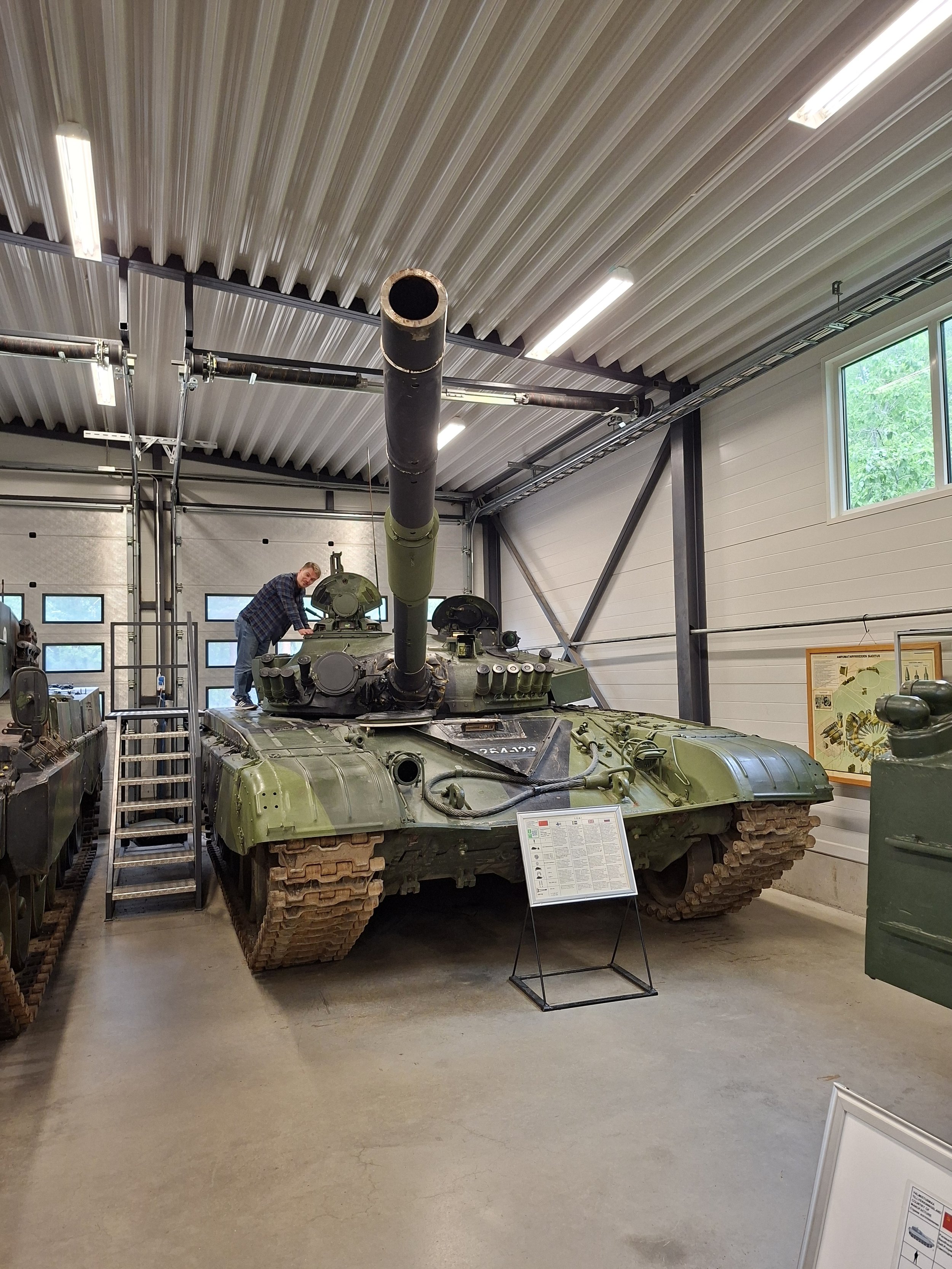
The first T-72s acquired by the Finnish Defence Forces were bought from the Soviet Union, with more acquired from Germany from old GDR stocks in the early 1990s. Pictured is a T-72M1 at the Parola tank museum, being inspected by a 17th century historian finally being introduced to some proper Cold War history. Photo: Rasmus Marjanen.
Over the course of the Cold War, Finland went from nursing a ramshackle arsenal of war era tanks to streamlining their tank-fleet through purchases of Soviet models. On the surface, the whole affair seemed rather absurd, as there was never any doubt what scenario they were acquired for. In the big picture, however, the tank purchases were emblematic of the complicated relationship that Finland had with its eastern neighbour. While fighter aircraft will likely remain the most famous example of Cold War arms acquisitions and the politics involved, the tank also deserves an honourable mention in the political morass of Cold War Finland.
Rasmus Marjanen is a doctoral student of general history at Åbo Akademi University in Finland who believes all tanks are inherently political.
Sources
Literature
Jouko, Petteri & Maanpuolustuskorkeakoulu. Ylijohdon Reservi: Suomalaisen Panssaritaktiikan Vuosisata. (Helsinki 2019).
Jouko, Petteri, ’Maavoimien varustaminen jatkuu lamasta huolimatta – Itä-Saksan kauppa 1991–1994’, Tynkkynen, Vesa, Mikko Karjalainen & Pentti Airio. Suomen Puolustusvoimat 100 Vuotta. Edita (Helsinki 2018)., s. 313–319.
Lindberg, Sebastian, Rule of the Old Guard : Carl Enckell and the Foreign Policy Culture of Finland 1944–1950, Commentationes scientiarum socialium; 86 (Helsinki 2026)
Muikku, Esa & Purhonen, Jukka. Suomalaiset Panssarivaunut 1918-1997: The Finnish Armoured Vehicles 1918-1997. 2. laitos. Apali (Tampere 2003).
Tervasmäki, Vilho, Puolustushallinto Sodan Ja Rauhan Aikana 1939-1978. Puolustusministeriön Historia II Karisto (Hämeenlinna 1978).
Visuri, Pekka & Kadettikunta. Suomi Kylmässä Sodassa. Otava. (Helsinki 2006).
Visuri, Pekka, Puolustusvoimat Kylmässä Sodassa. Suomen puolustuspolitiikka 1945–1961. WSOY (Helsinki 1994).
Articles
Simola, Seppo, Renault-tankit edustivat huippumodernia kalustoa Suomeen hankittaessa, Reserviläinen, 19.5.2021
Tuominen, Tero, Vieläkö T-72-vaunuja kaivataan? Reserviläinen, 22.6.2021
Websites
Tank Encyclopedia, The Online Tank Museum, < https://tanks-encyclopedia.com/ww2/finland >
The Finnish Defence Forces, Materiel and Equipment, < https://puolustusvoimat.fi/kalusto/?page-size=15 >
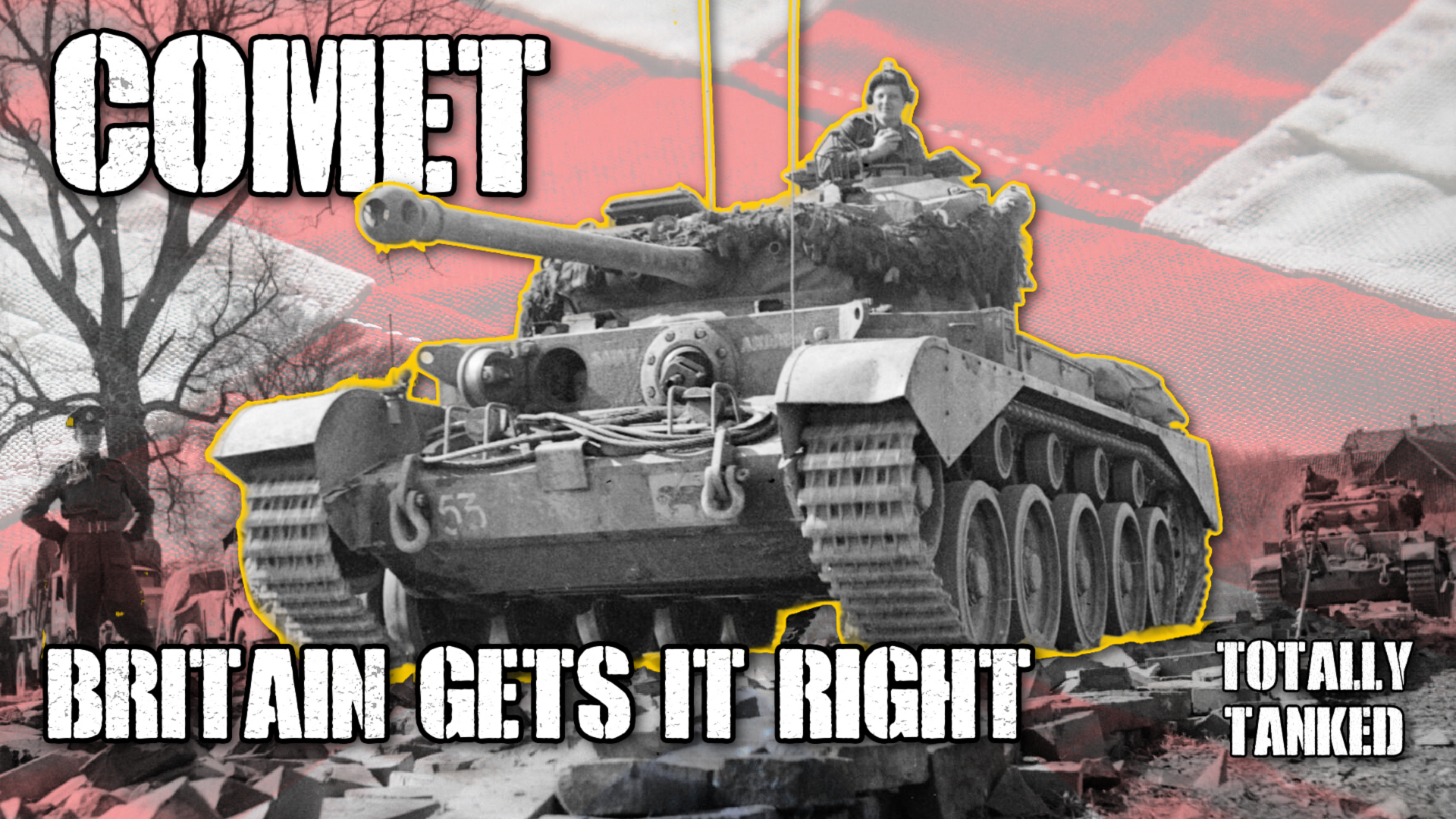
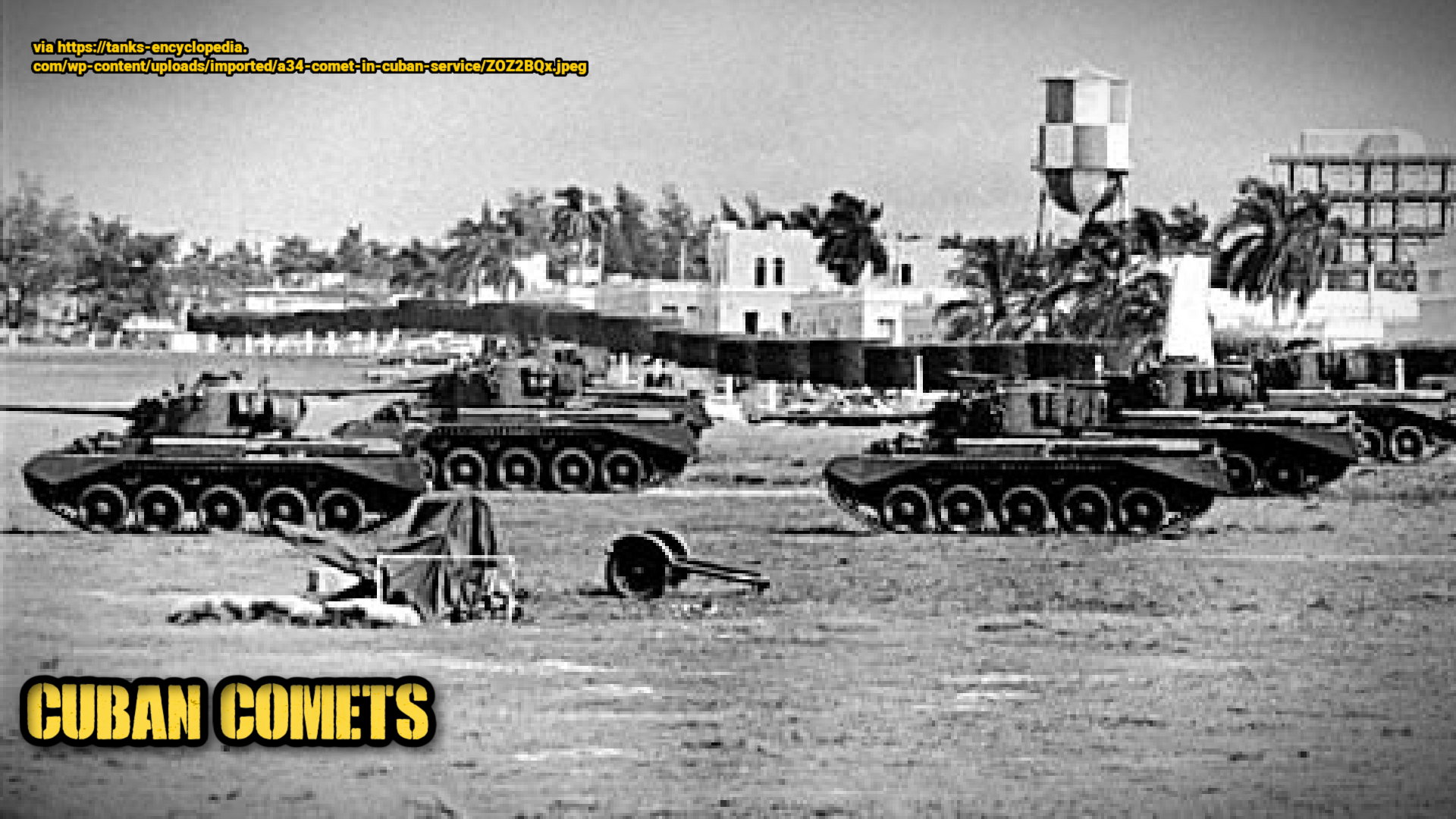
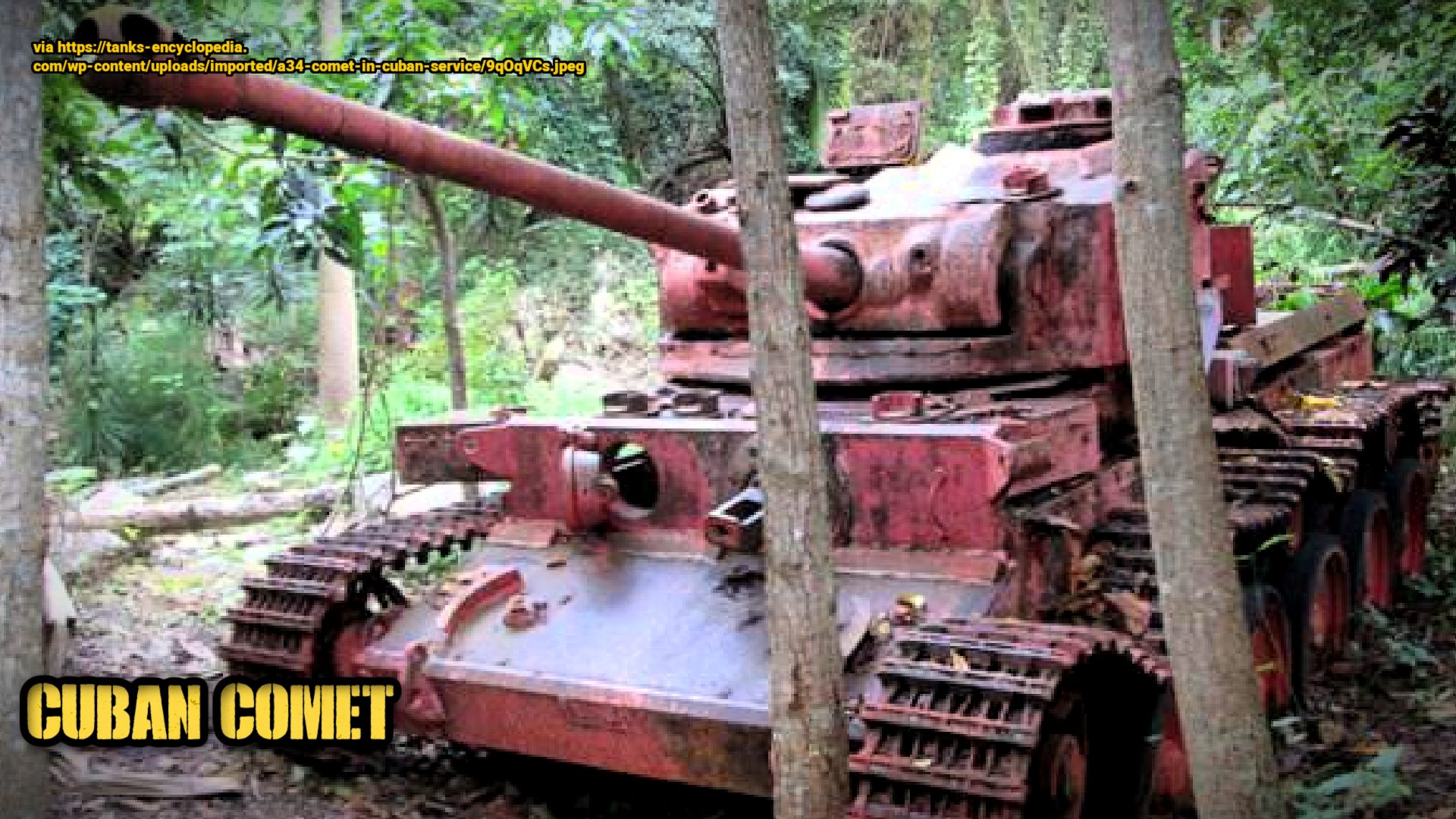
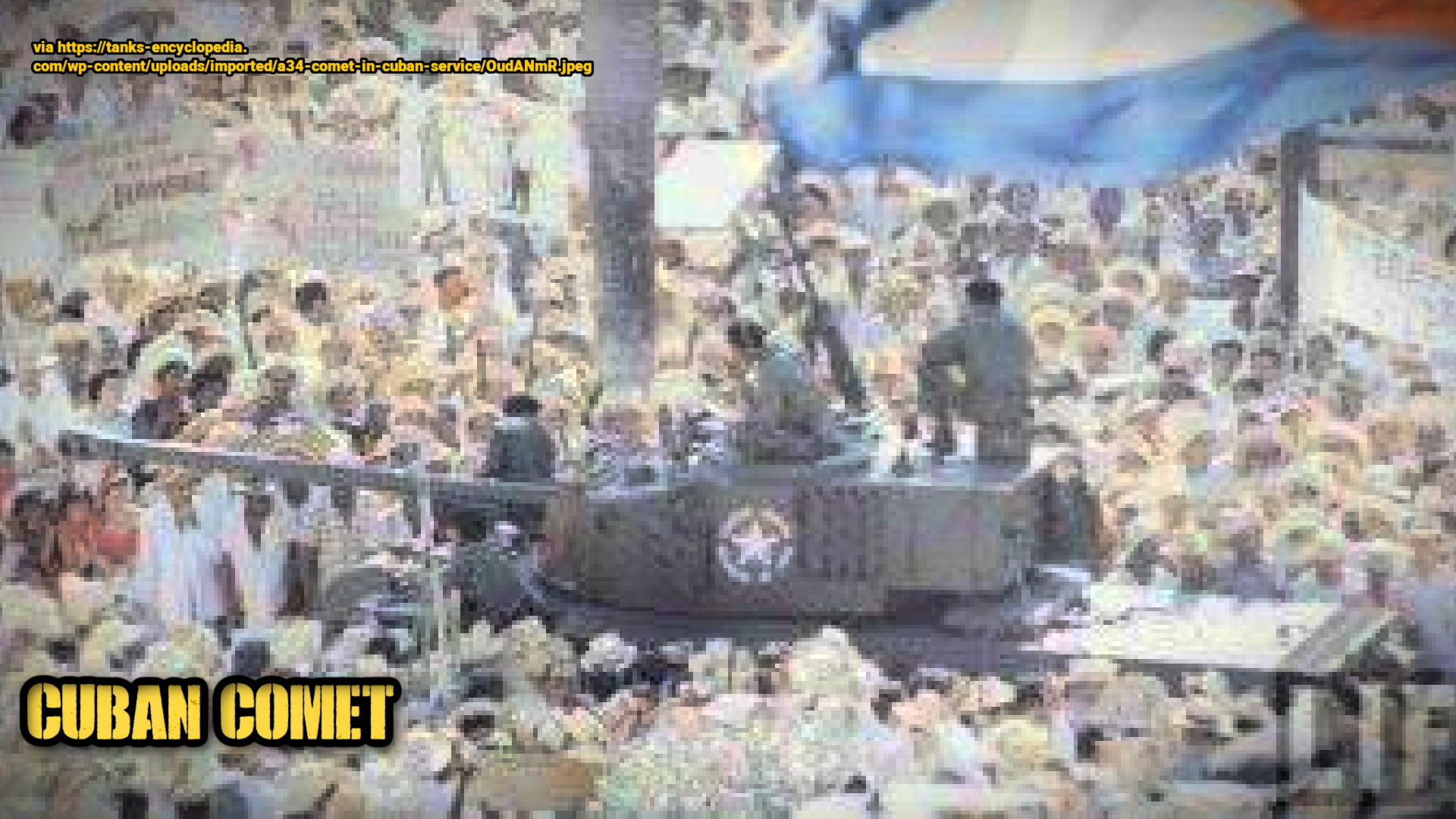
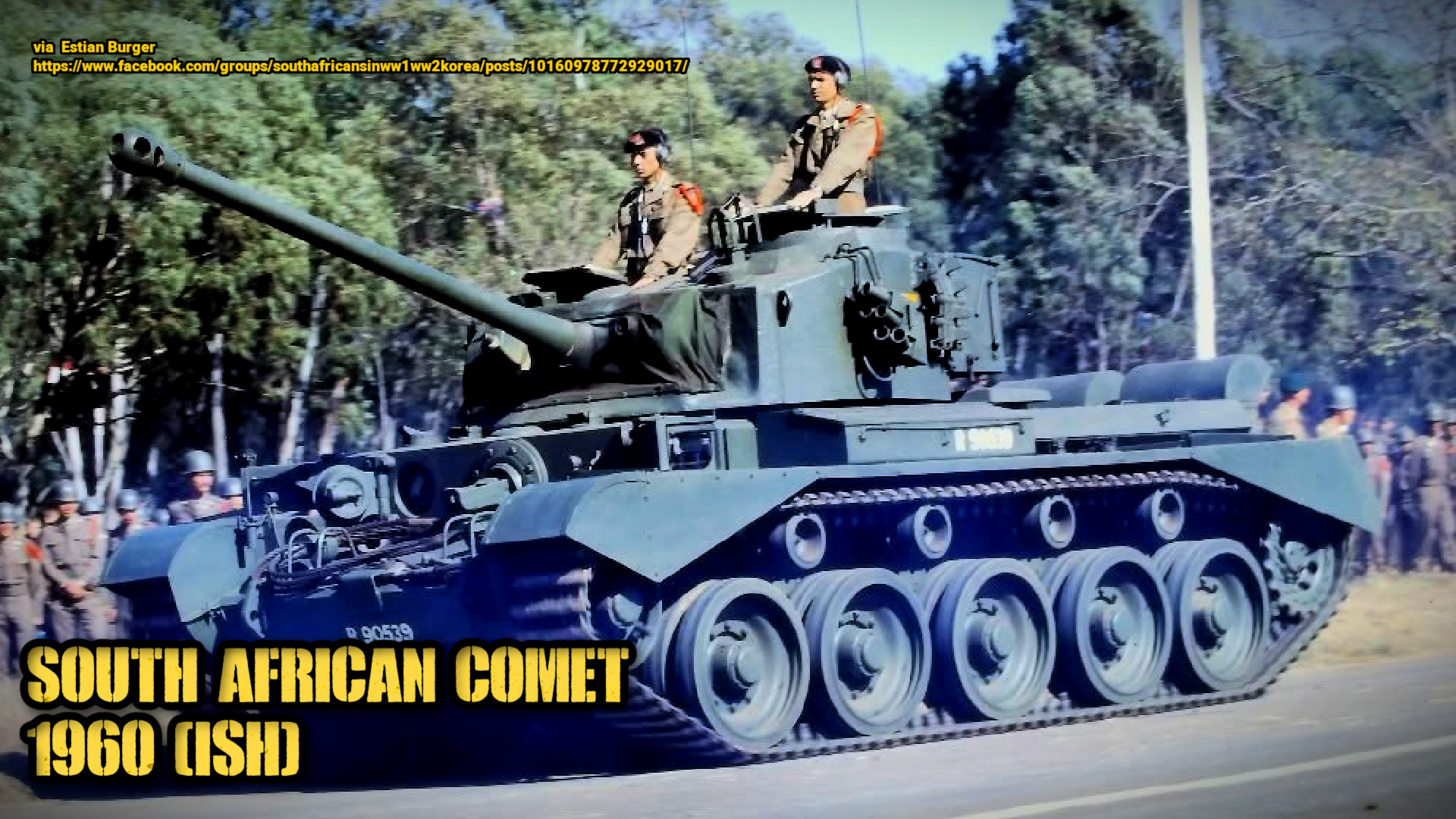
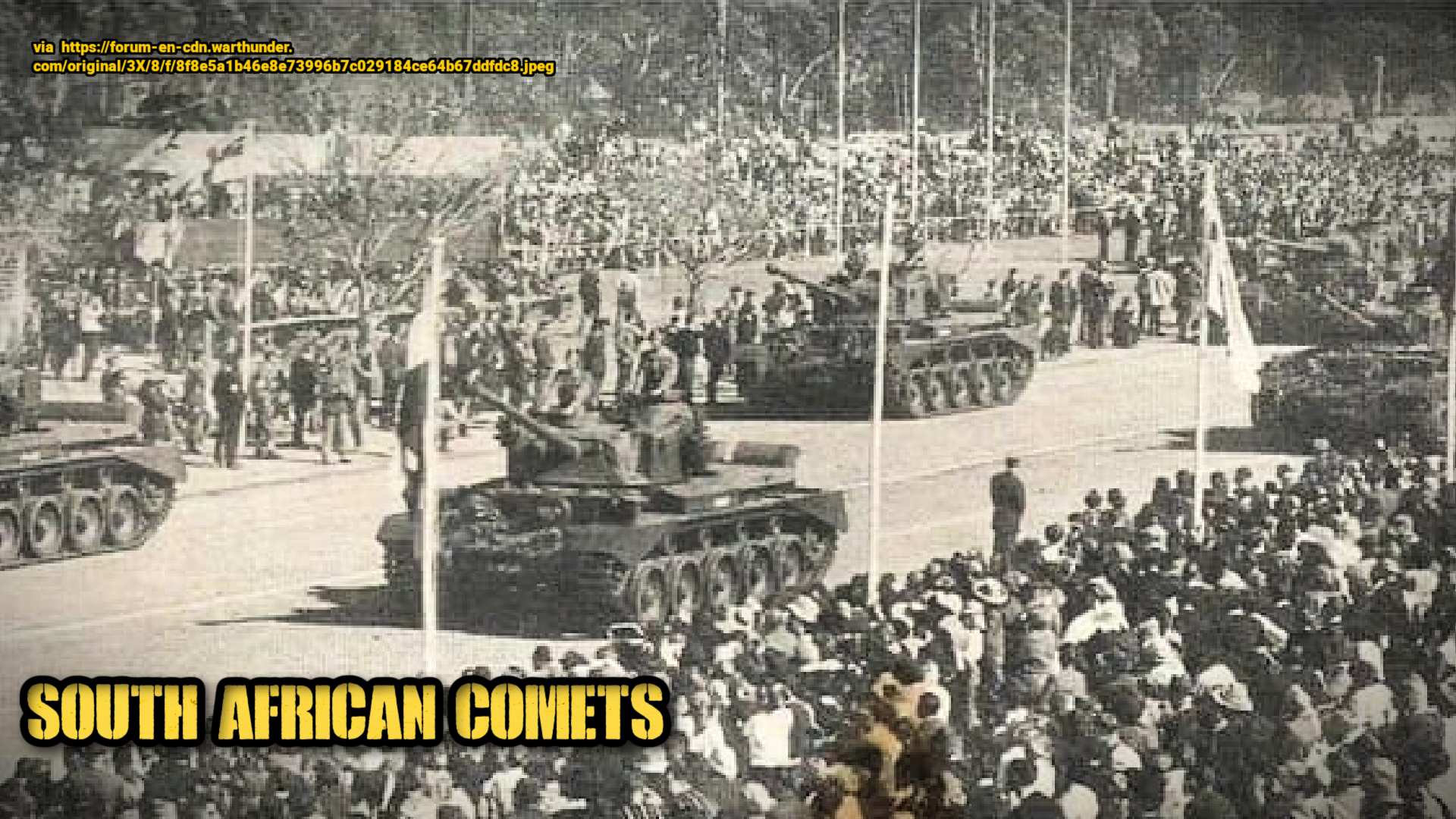
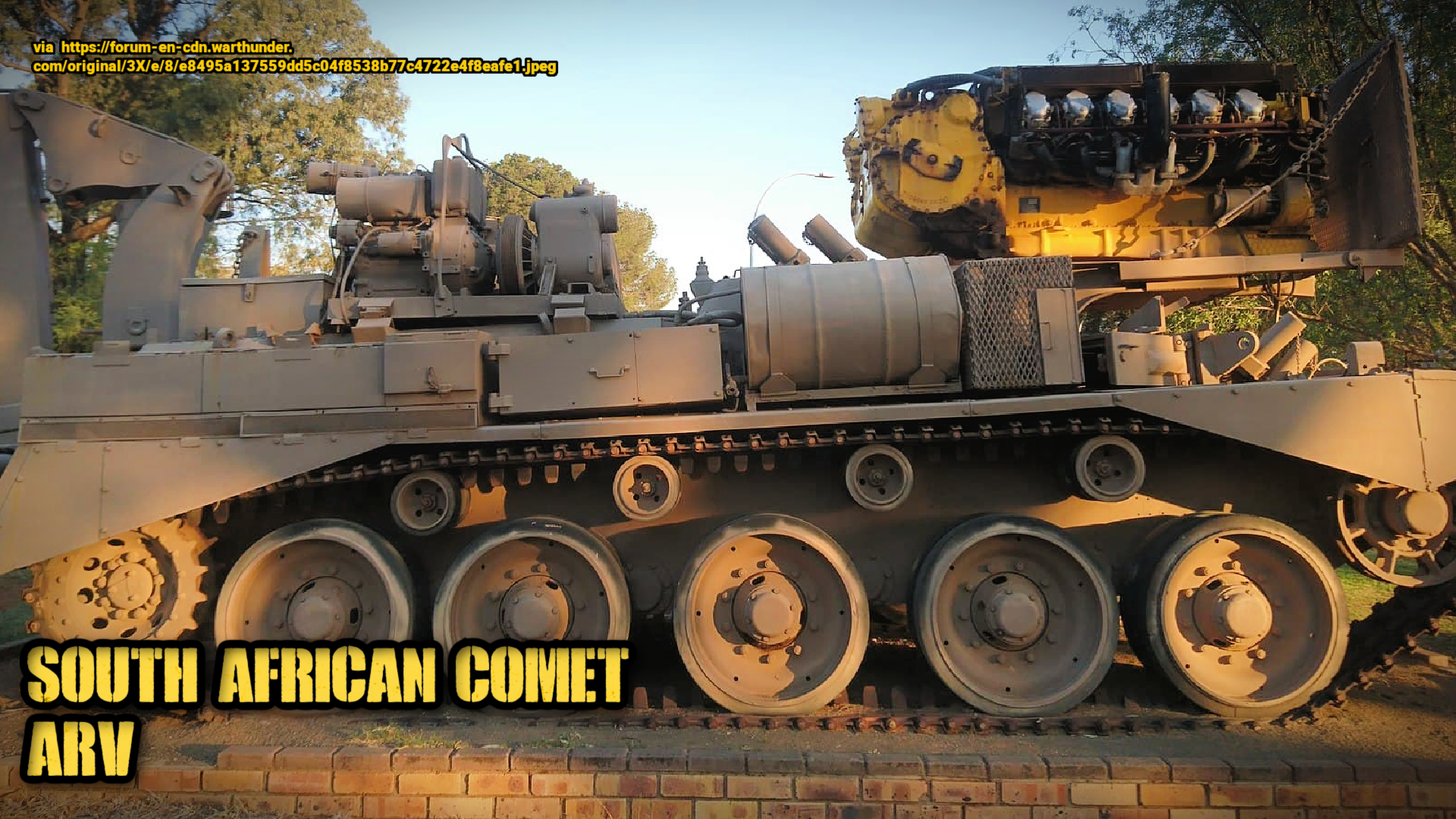
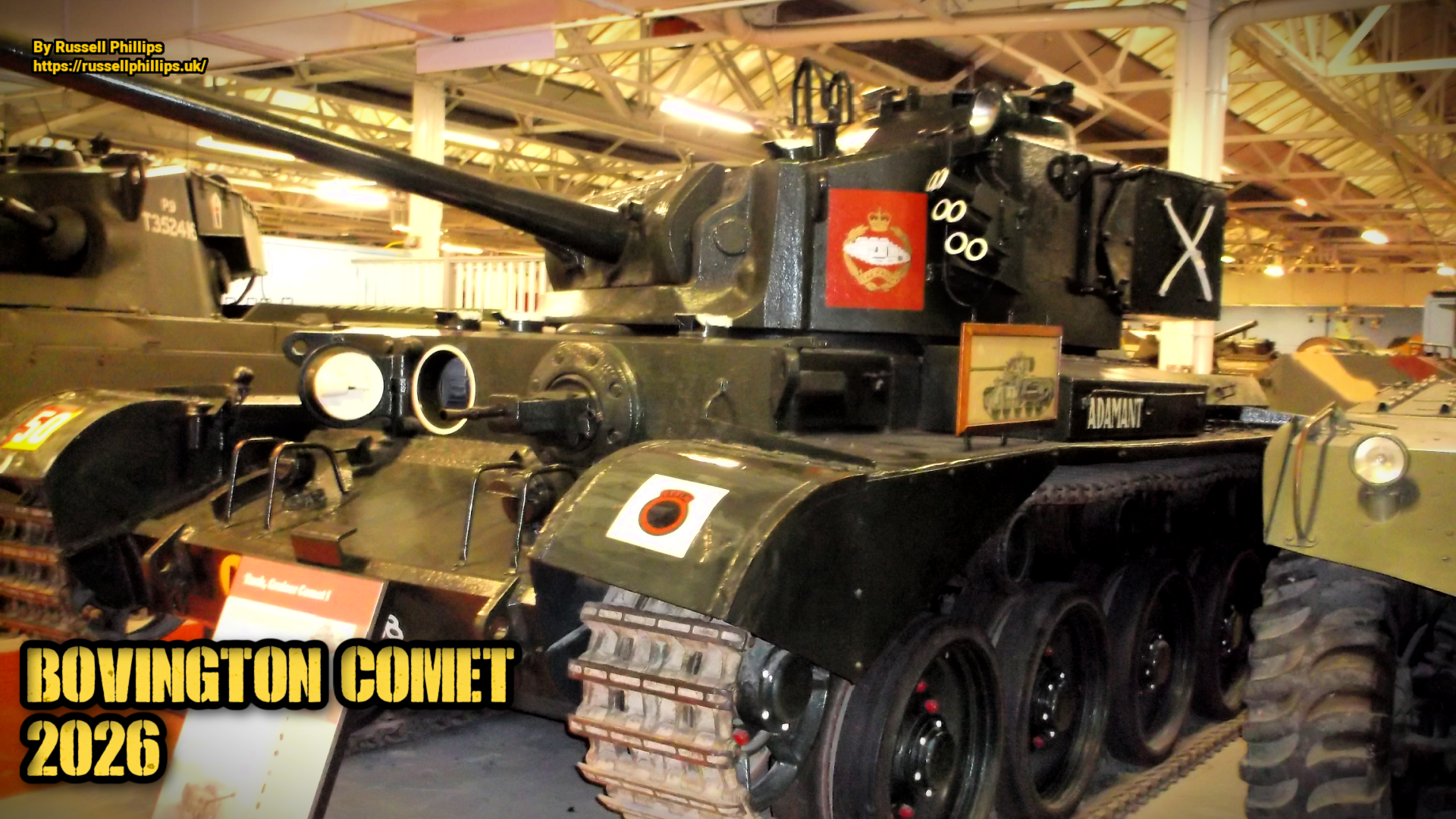
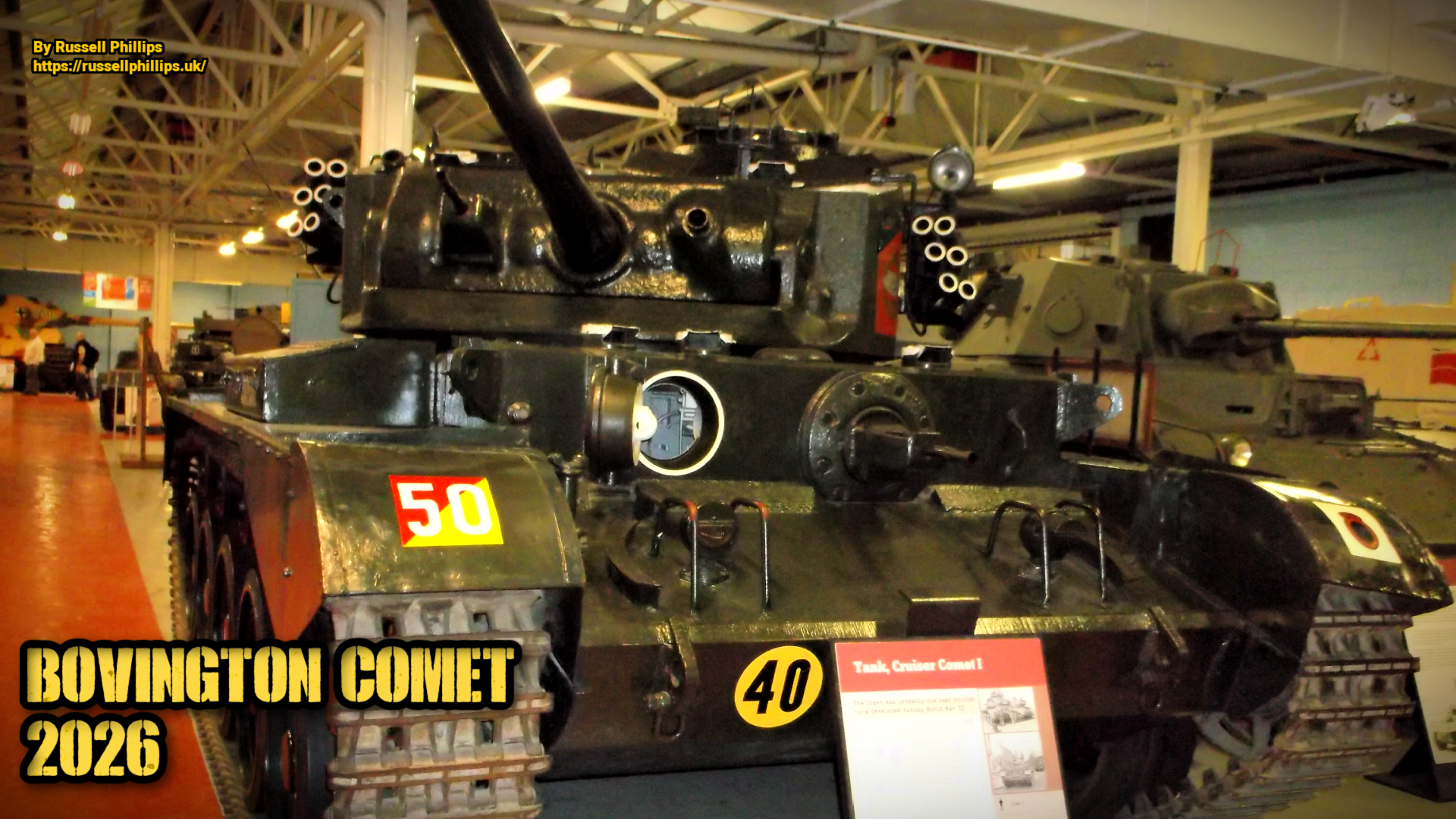
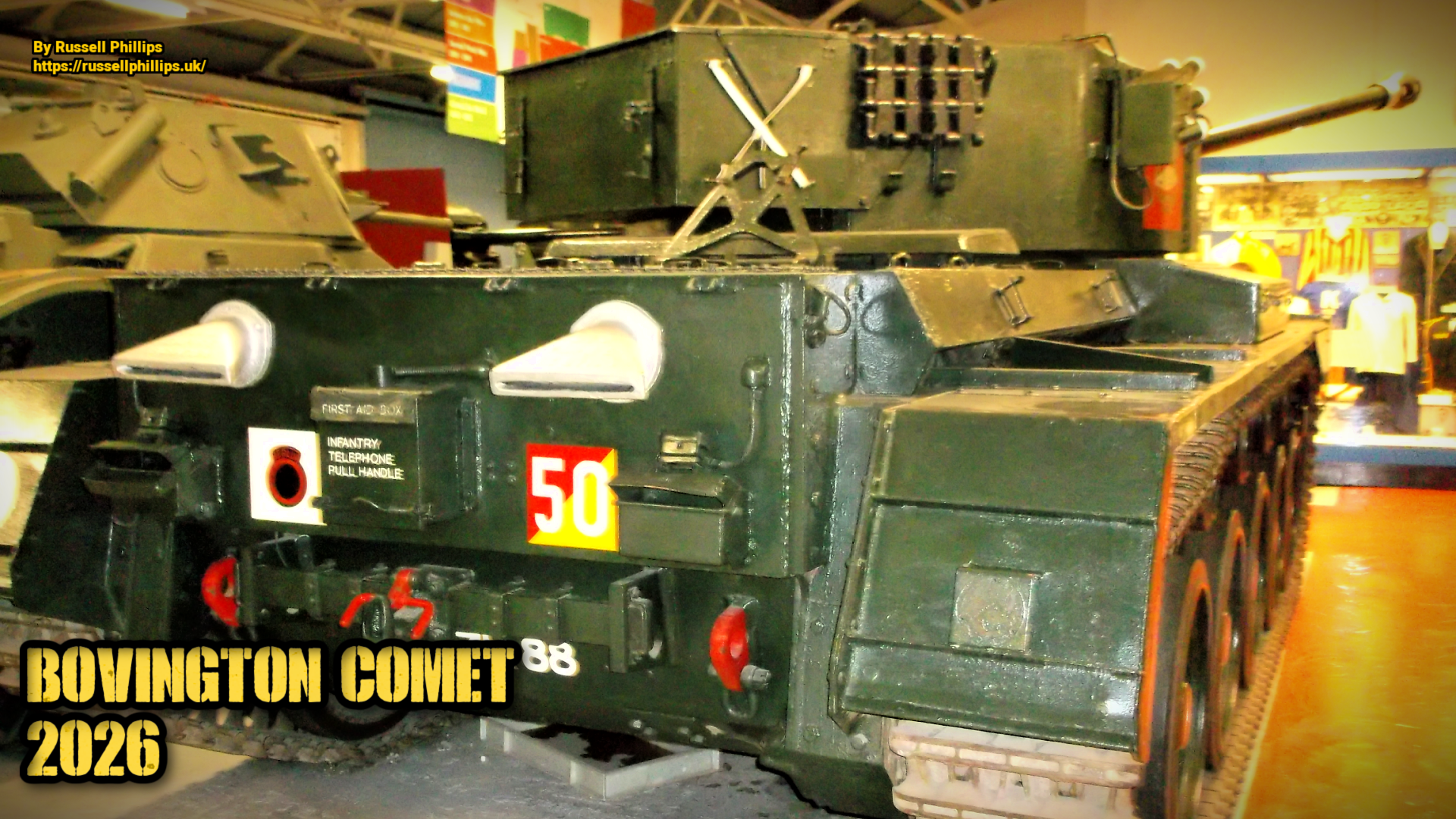
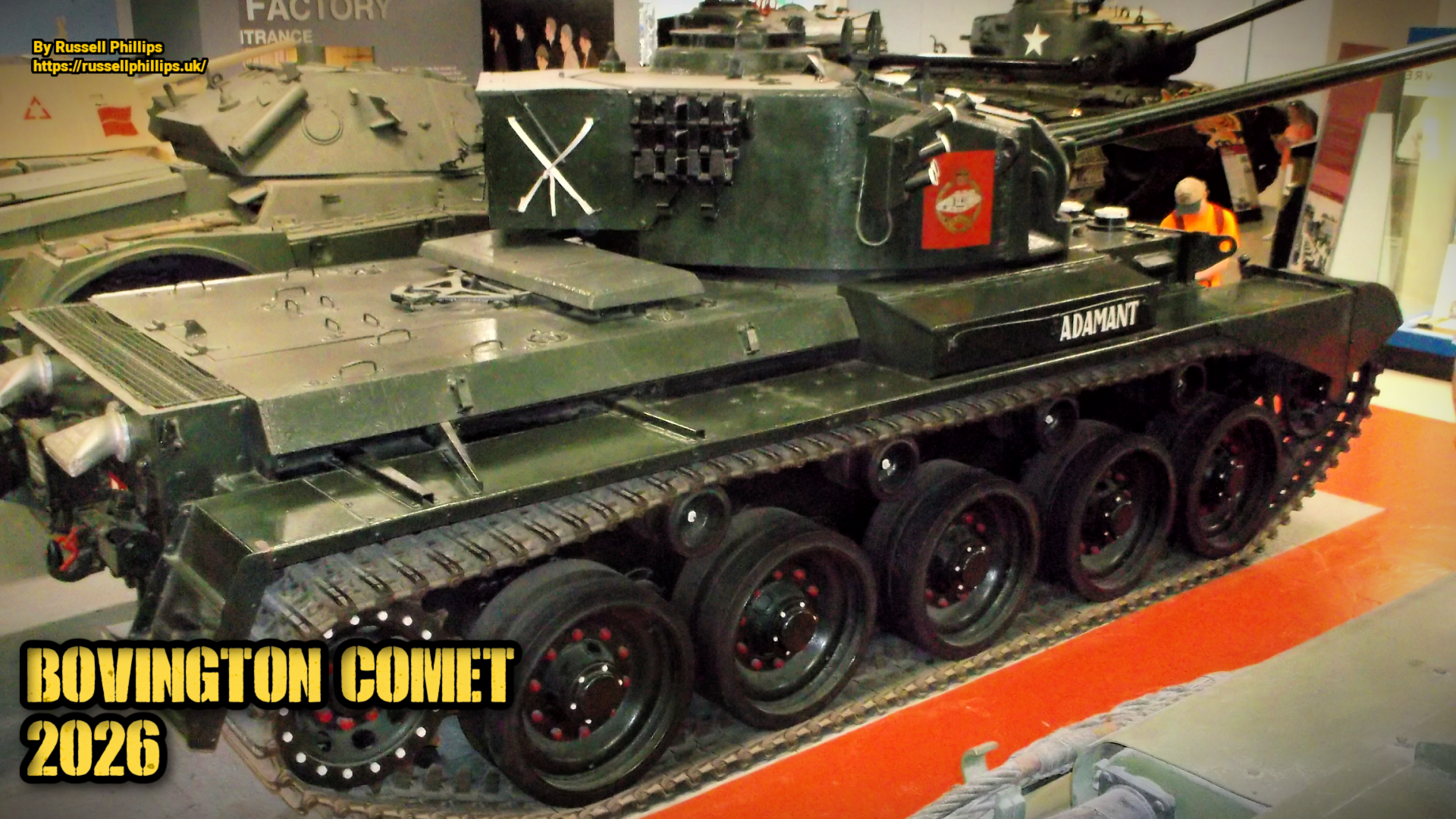
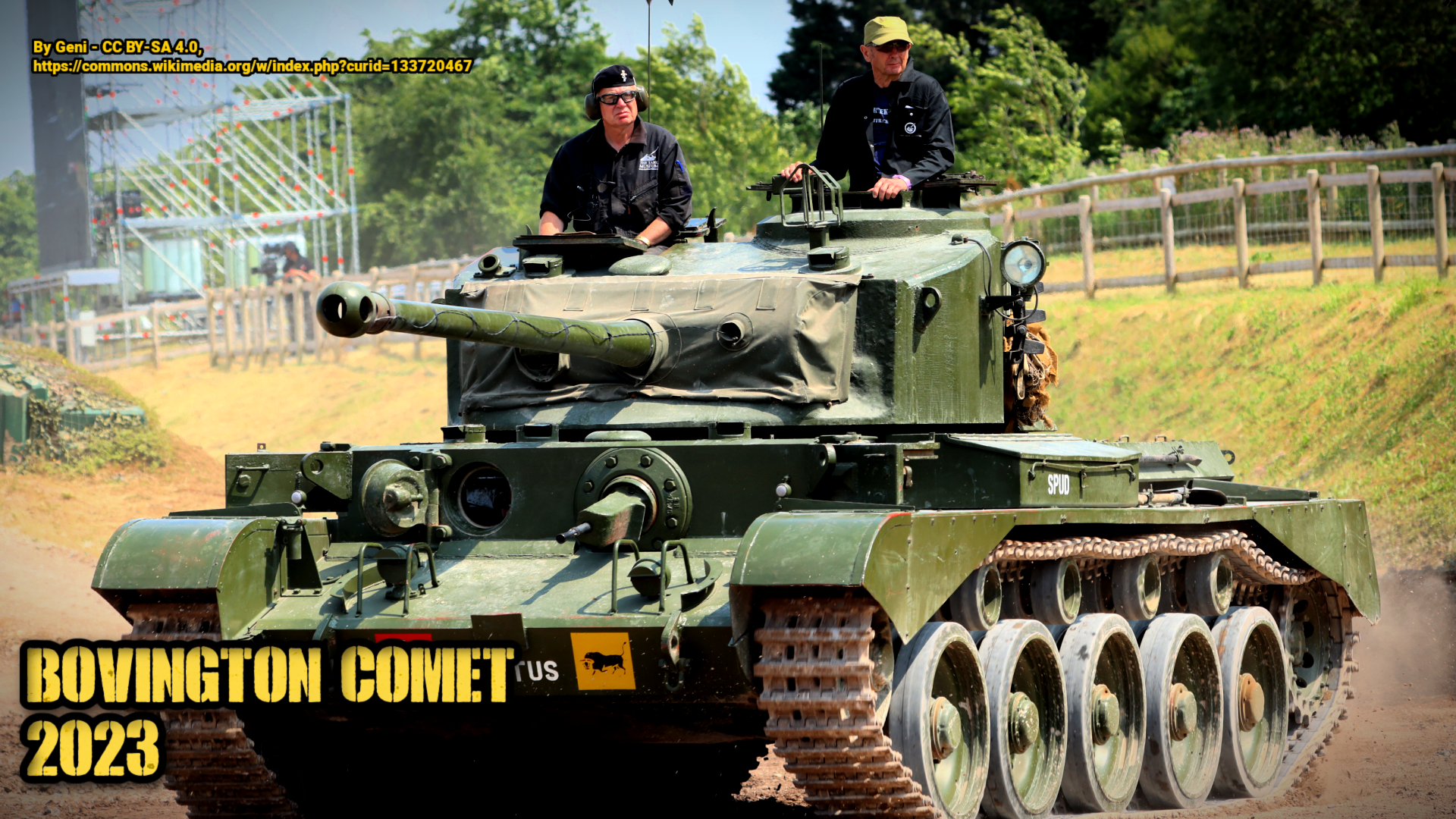
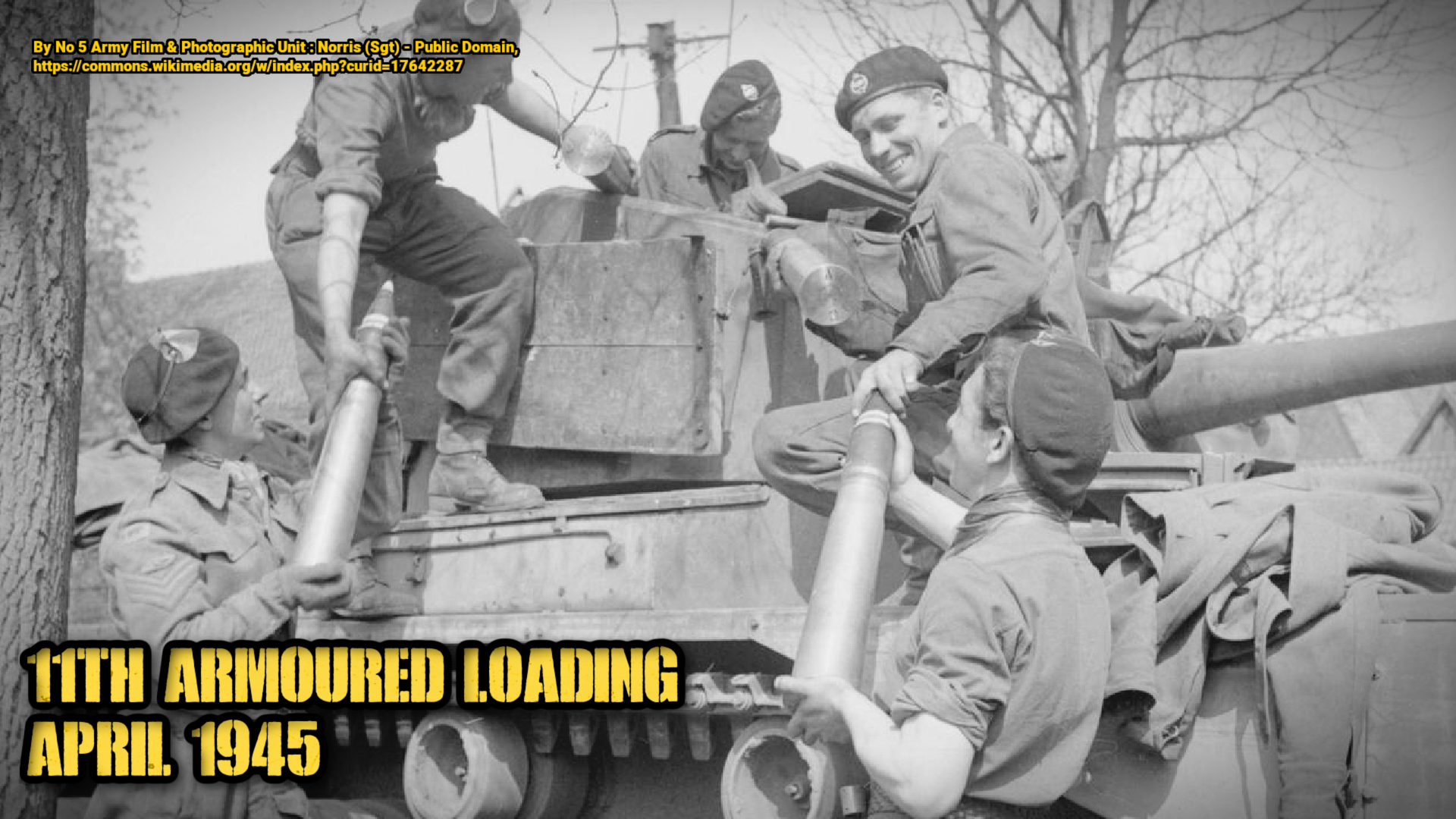
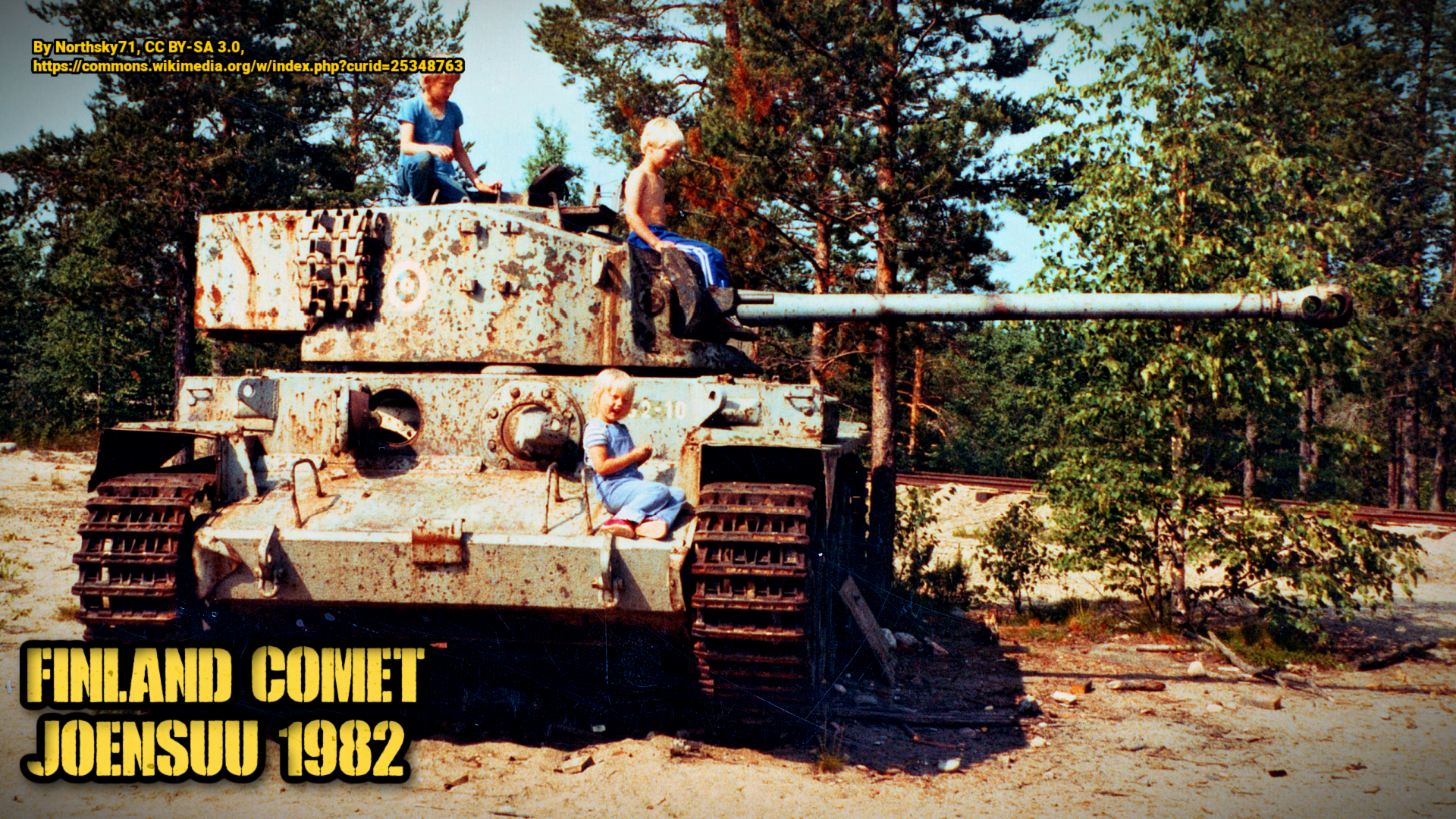
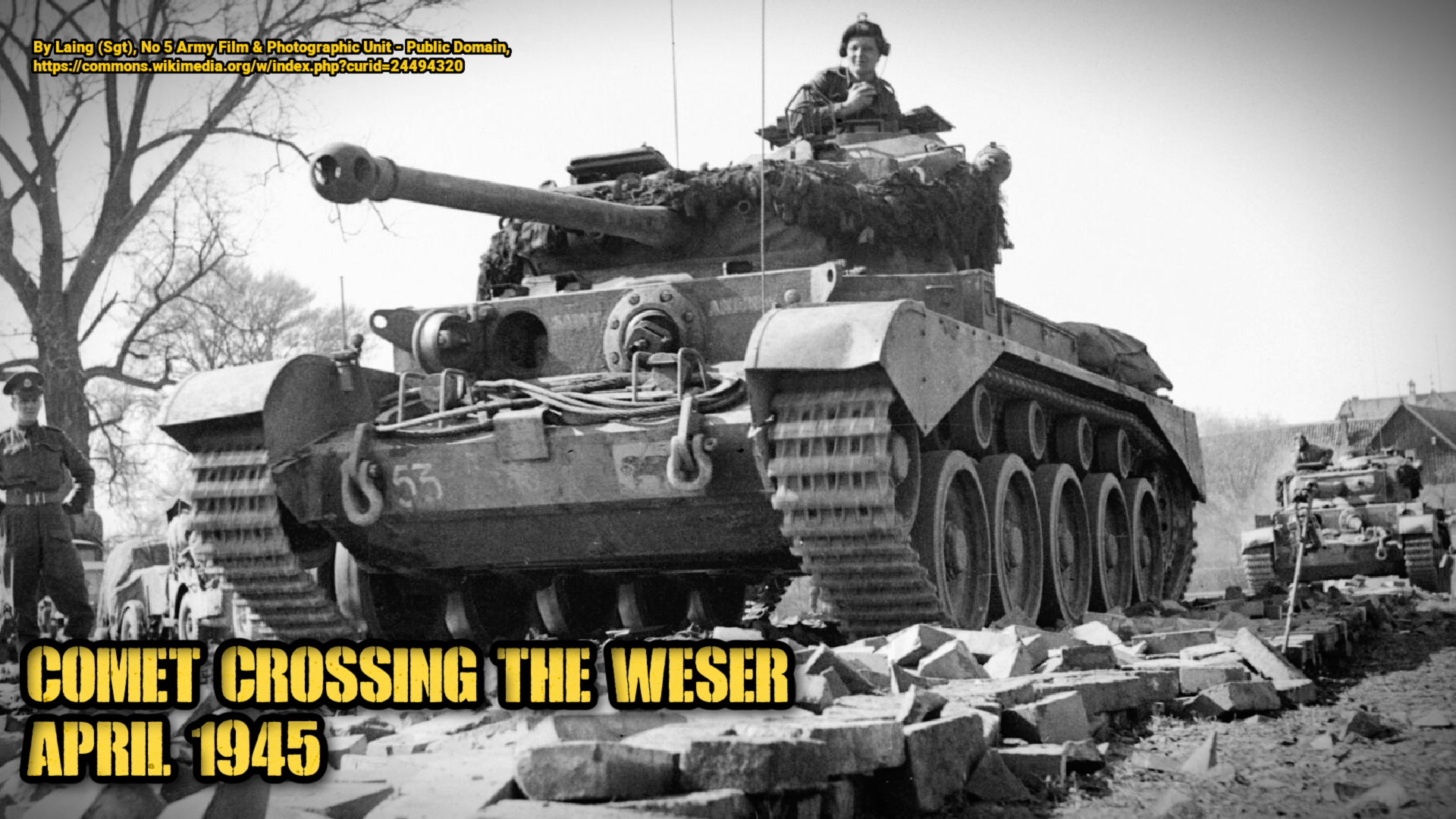
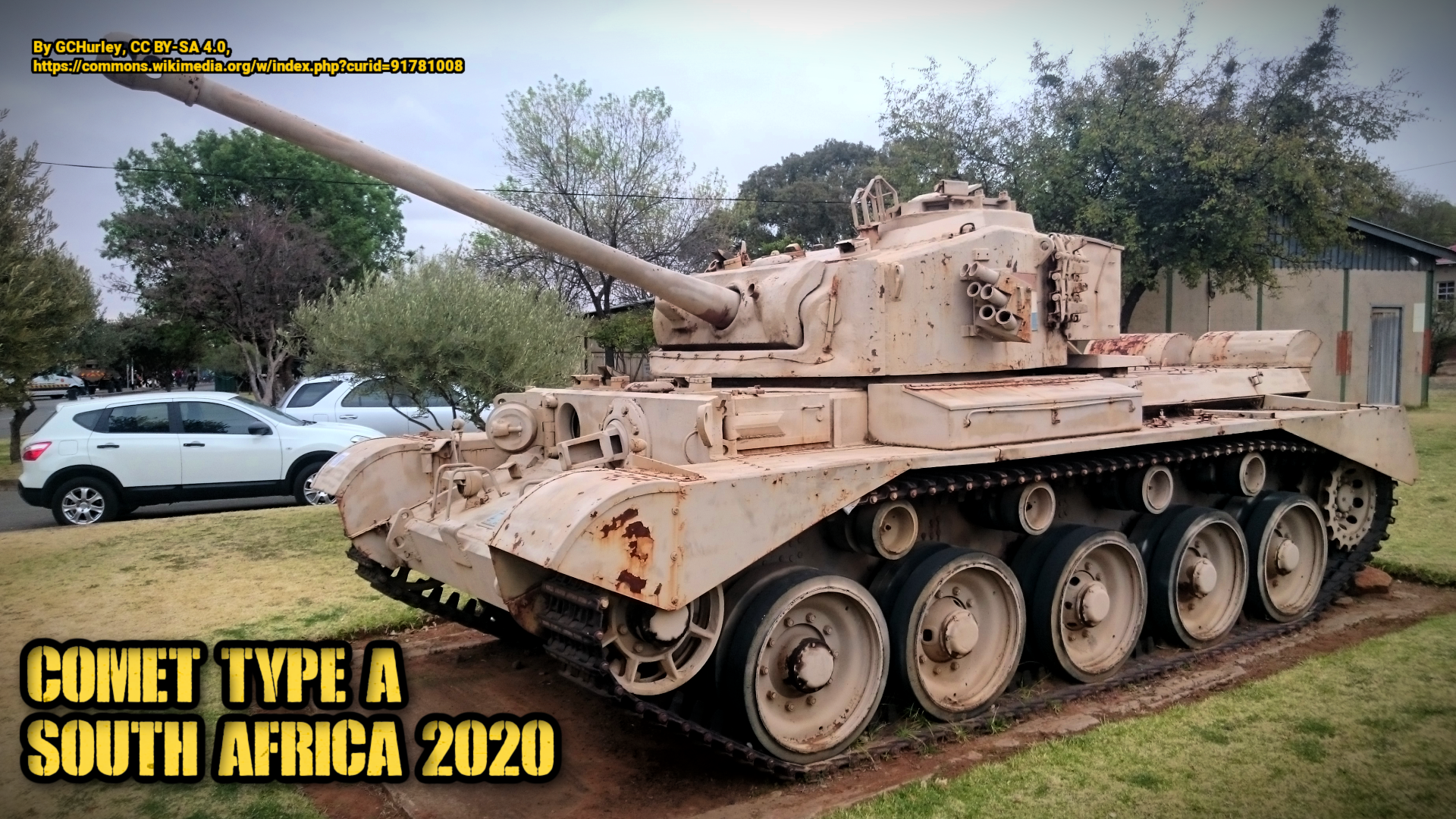
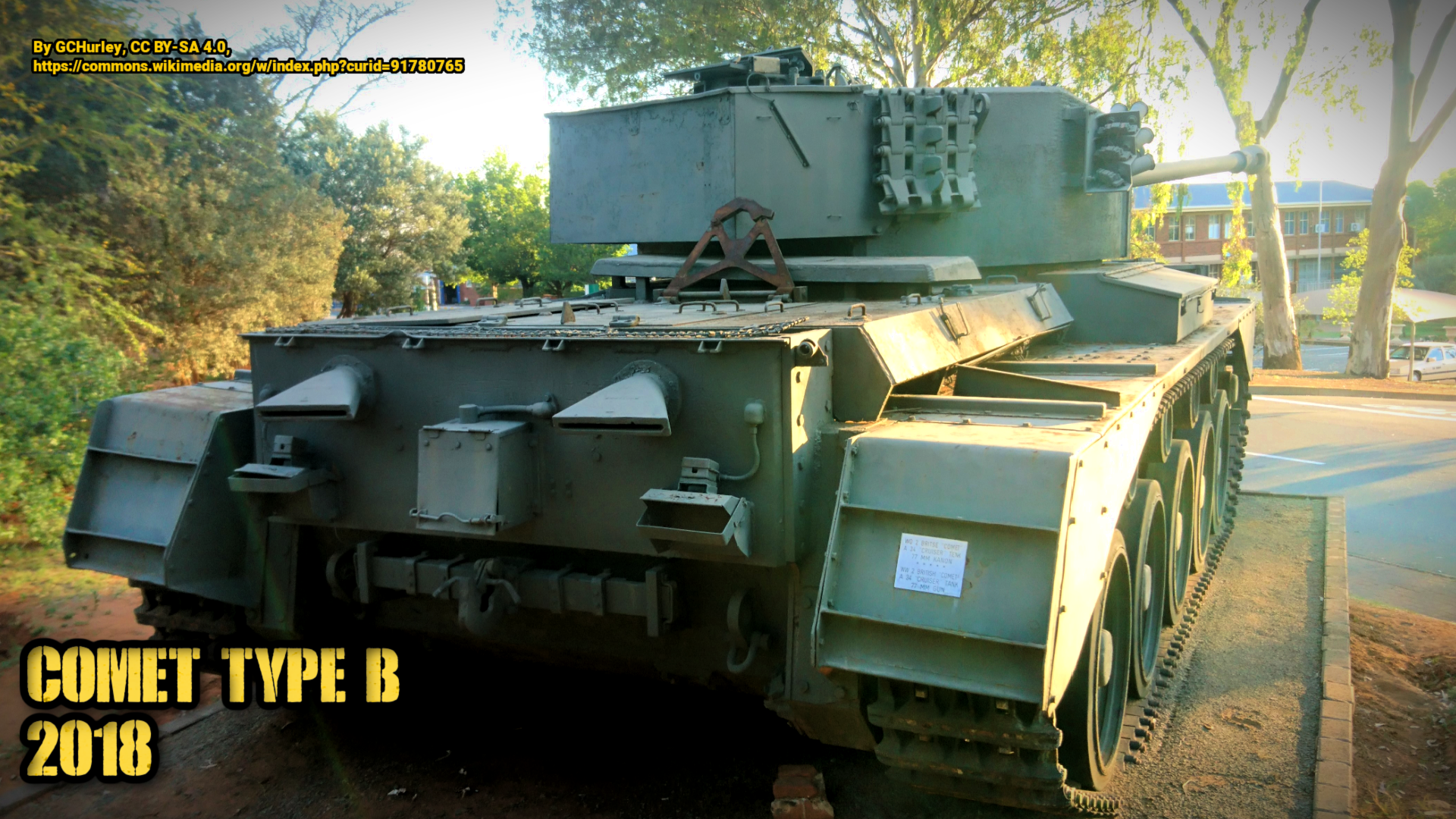
Comet - Britain gets one right
The hour might have been so late that the sun was in fact rising, but Britain finally got a really good tank into action, and its name was Comet!
Also for the first time ever we were joined in the pod by Chris from History of Everything!
Slide Deck:
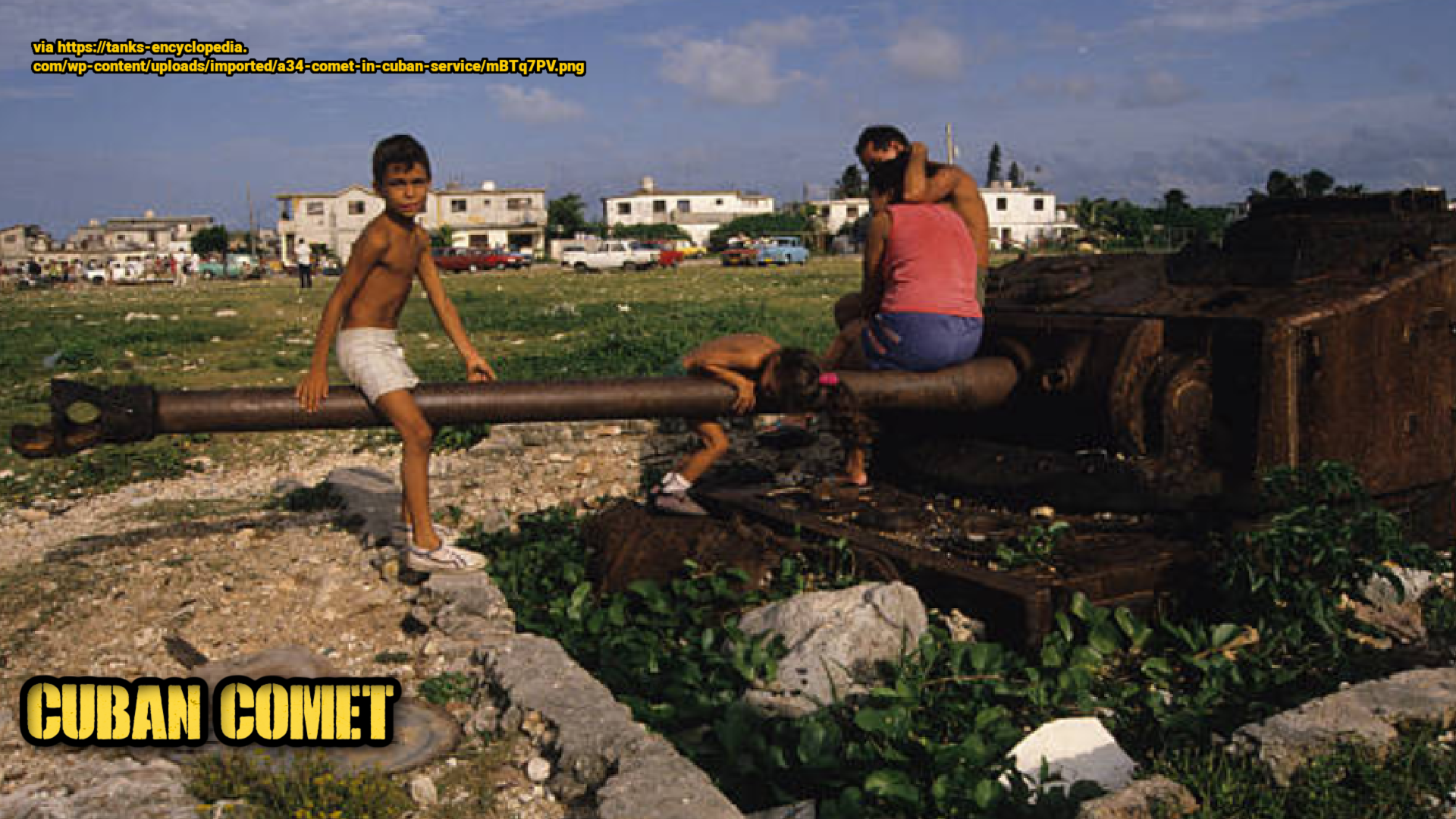
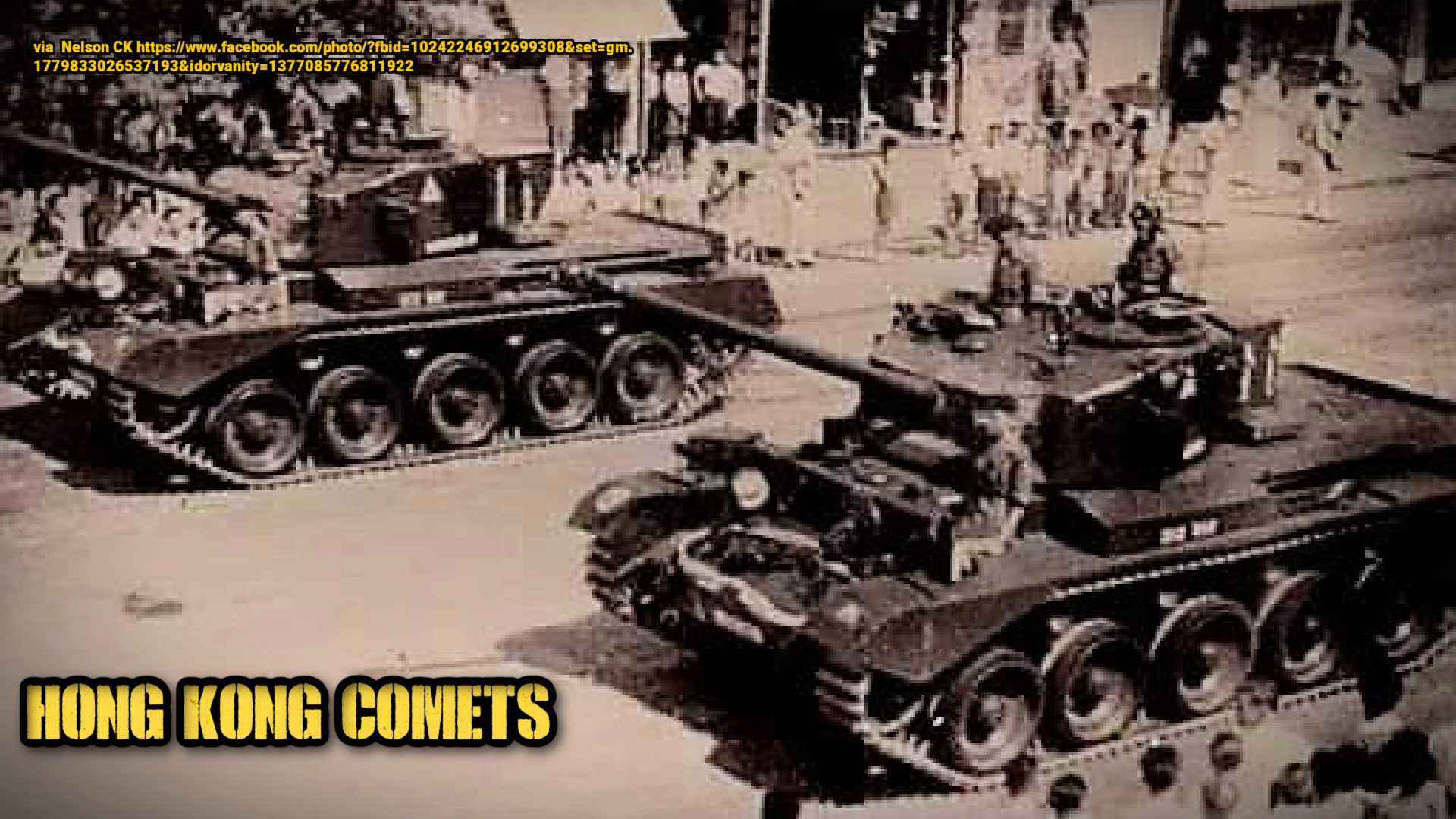
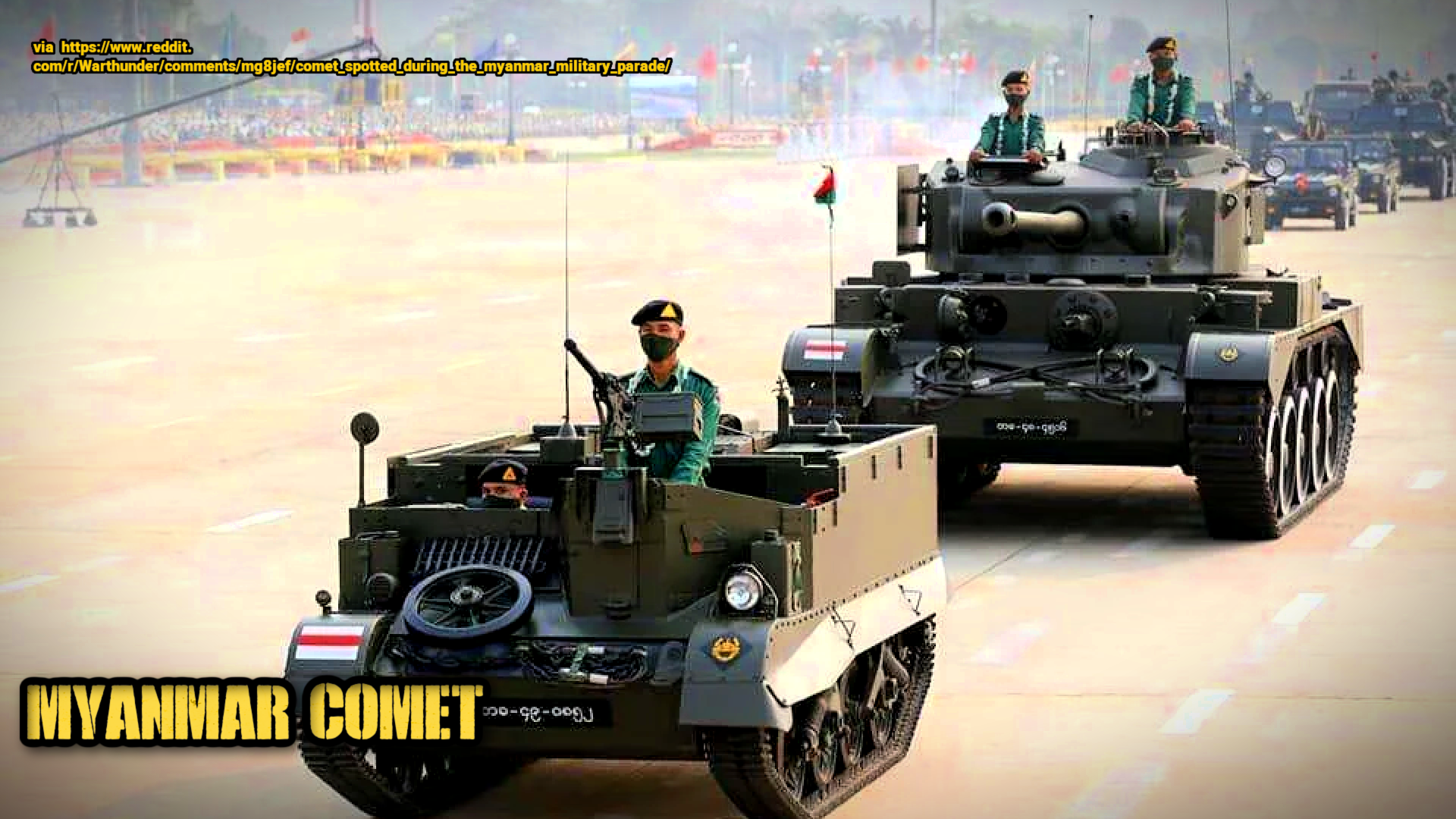
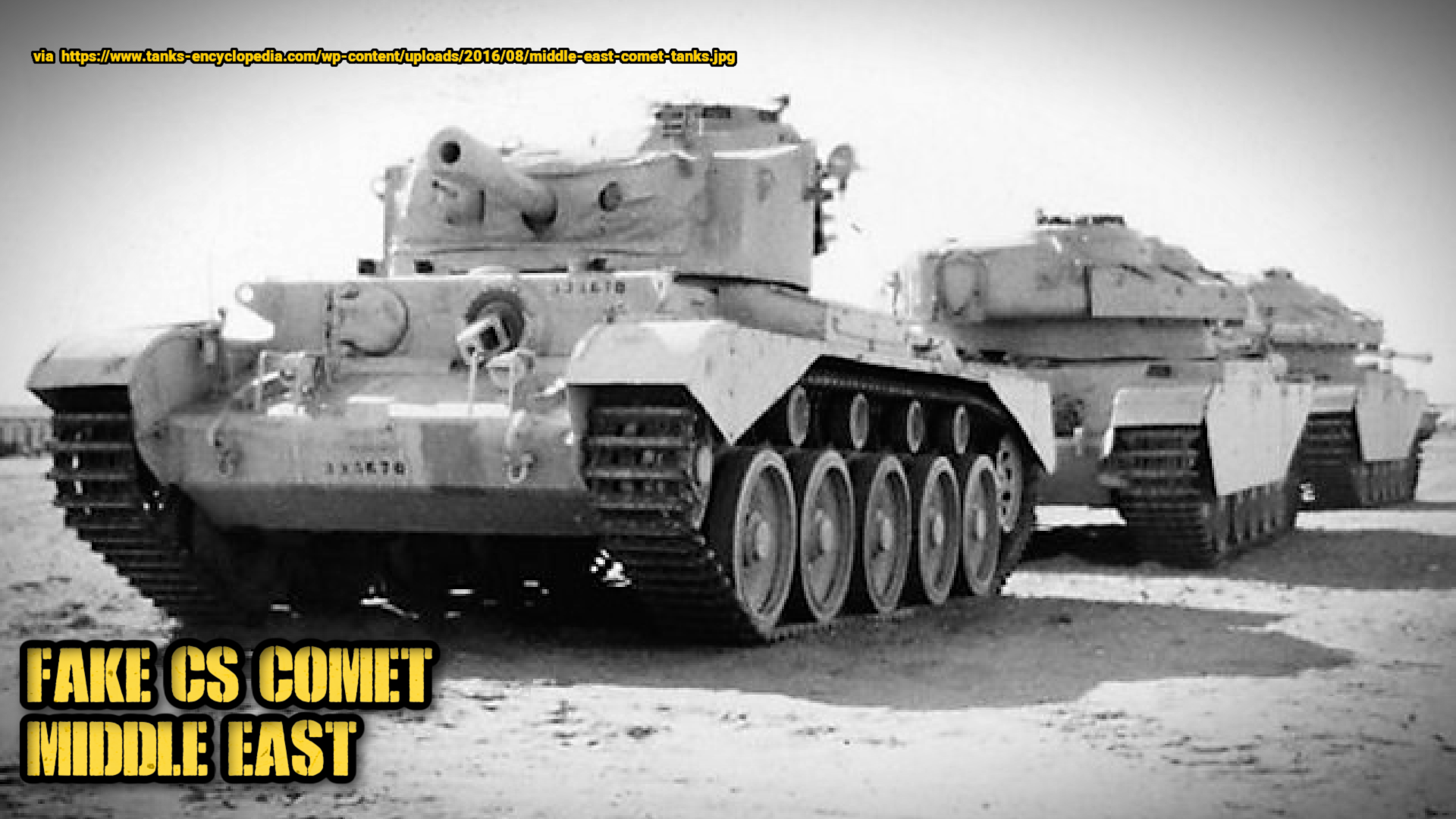
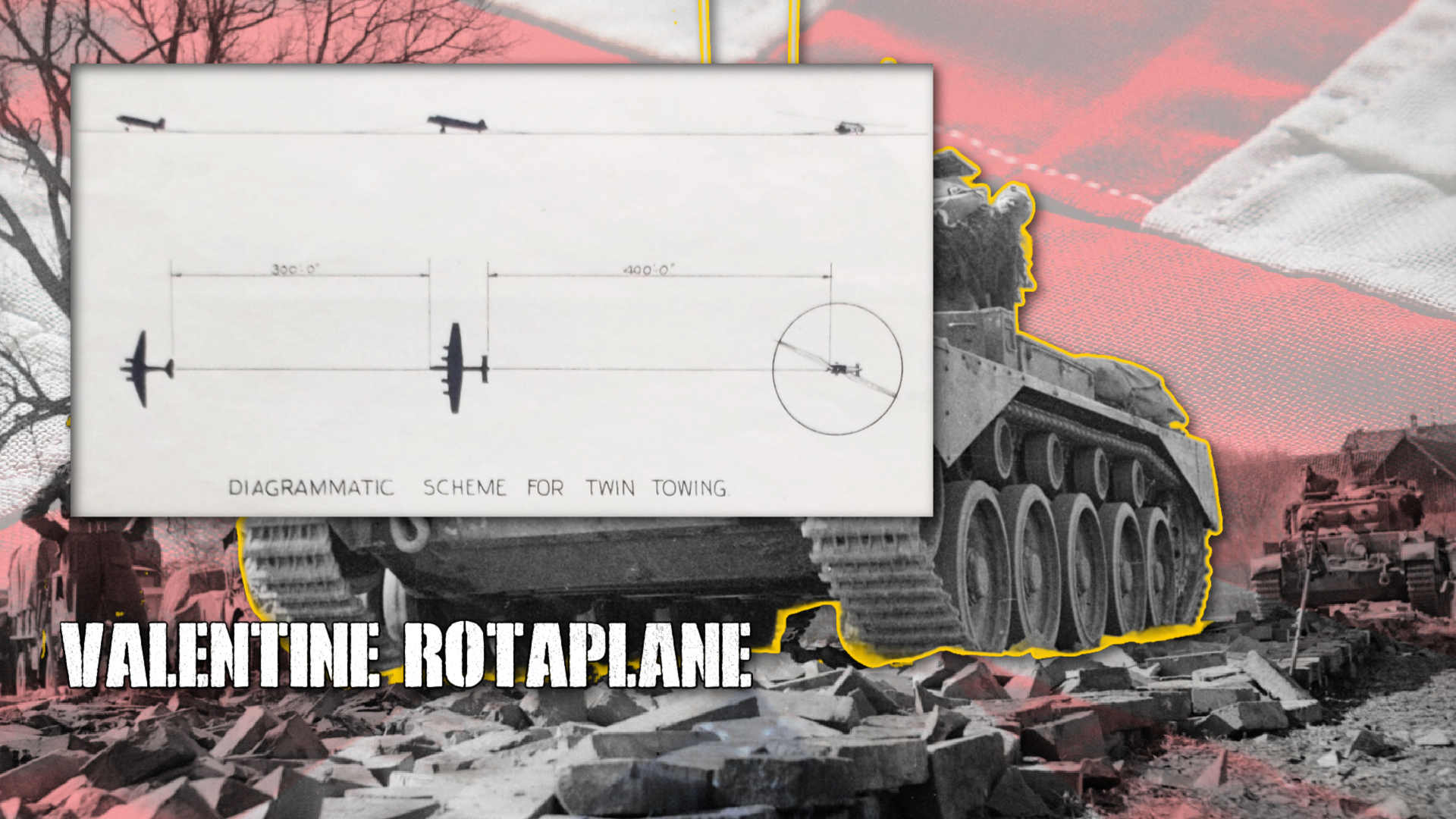
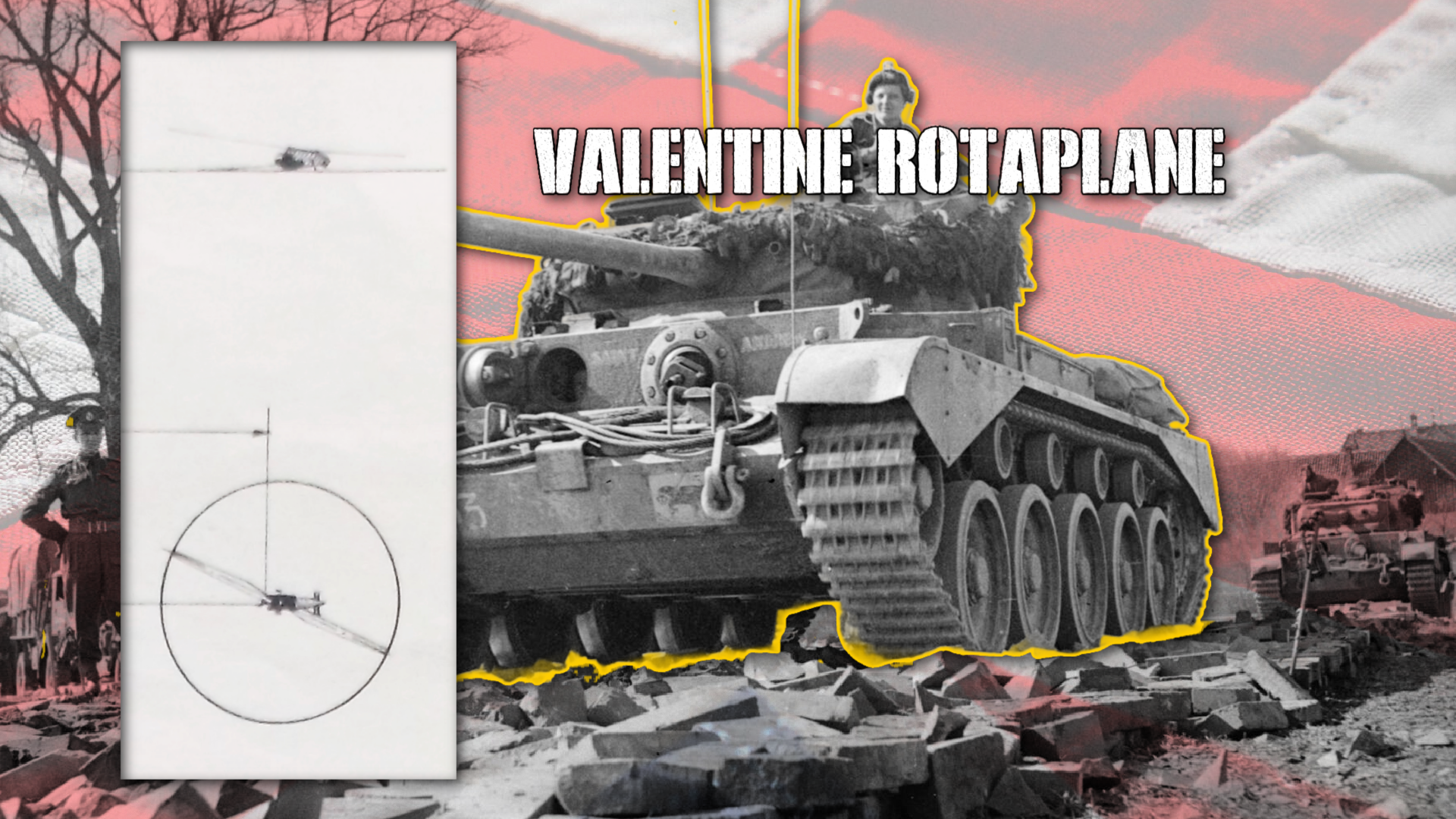
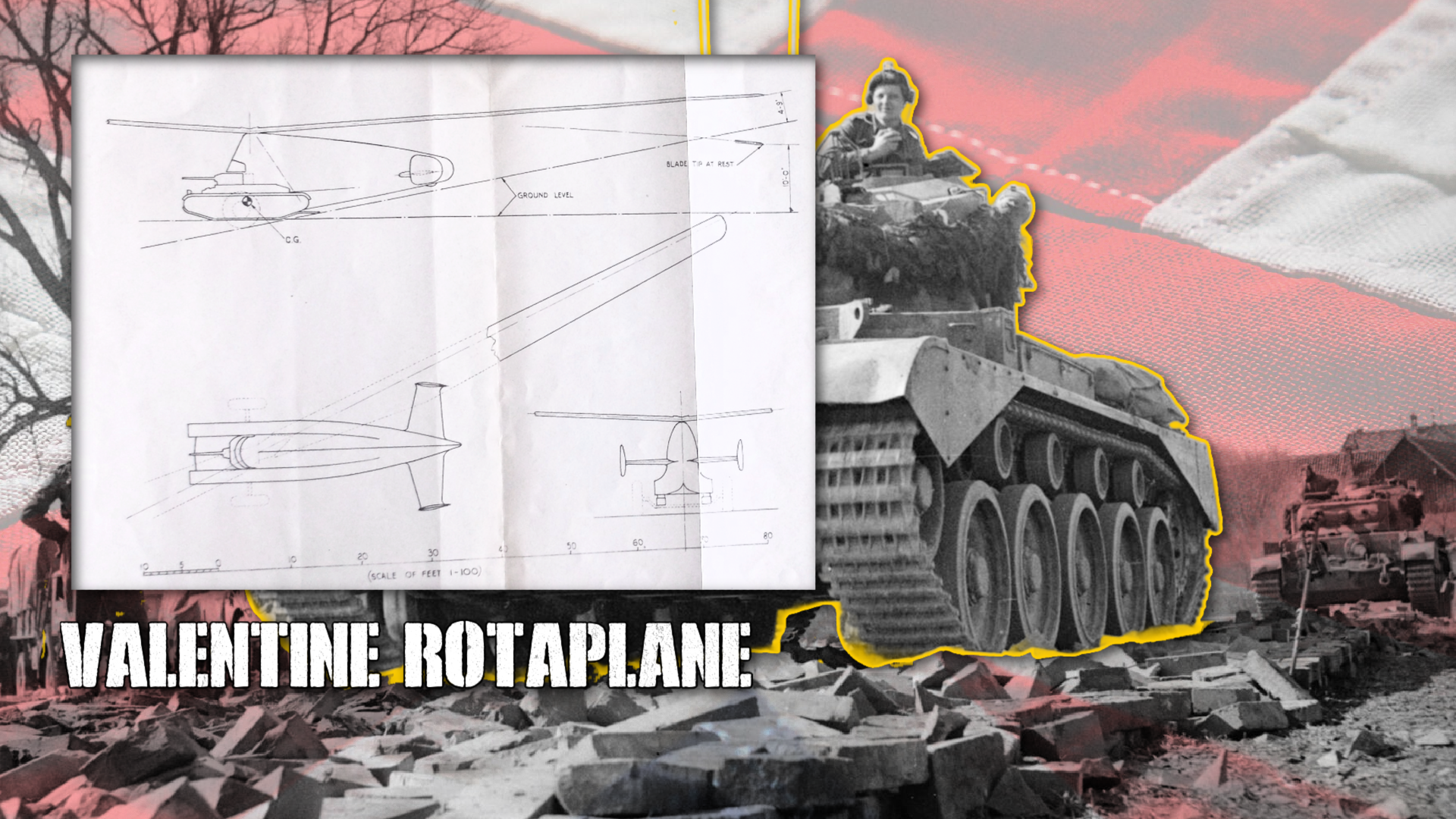
Links:
More information on flying tanks. Dinger Aviation
Russian death numbers in Ukraine. Guardian
ERA Turtle Tank. Trench Art
Bridging Turtle Tank. Trench Art
Planes stopped working. ABC Australia
Boats stopped working. ABC Australia
Russia wants the Iron Curtain back. BBC
Mortar-drone standardisation. TWZ
Army air defences. TWZ
Upcoming episode: Comet!
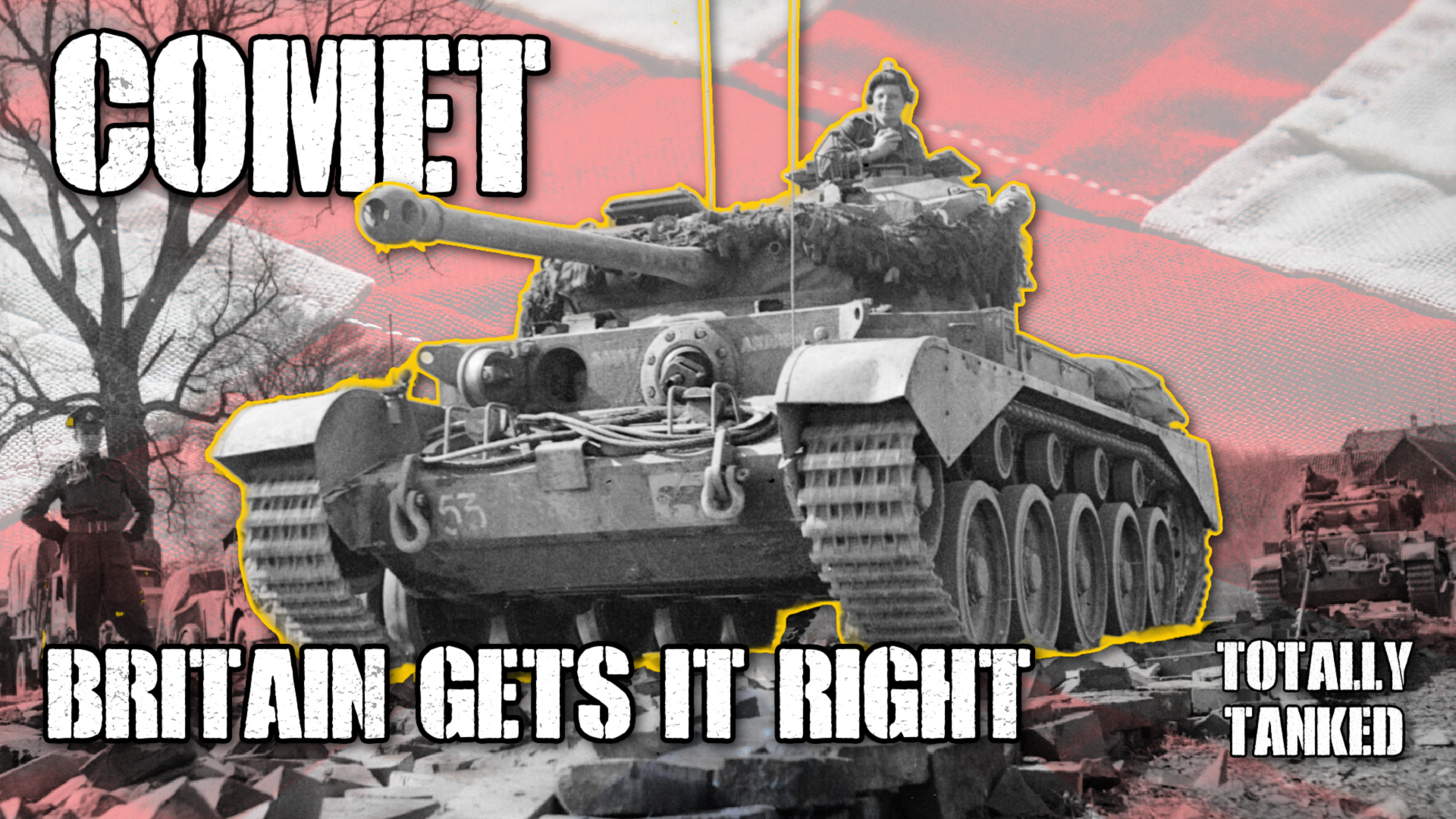
Strike up Rule Britannia, come the weekend of 21 November we are celebrating the tank where the British finally got everything right and even got it into the fight!
As WW2 drew to a close the British finally produced a really good tank.
Not "adequate in some respects". Not "passable for a niche use case".
Instead in Comet they got a really good, balanced, all-round tank. But why did it take until the war was already won to produce it? What made it so good?
Set your notifications to join the stream featuring in-the-pod special guest Chris from History of Everything as we try and figure out the answers to these important questions!
Can you Guess the November tank?
Your chance to shine friends, take a guess what tank we’re covering in November?
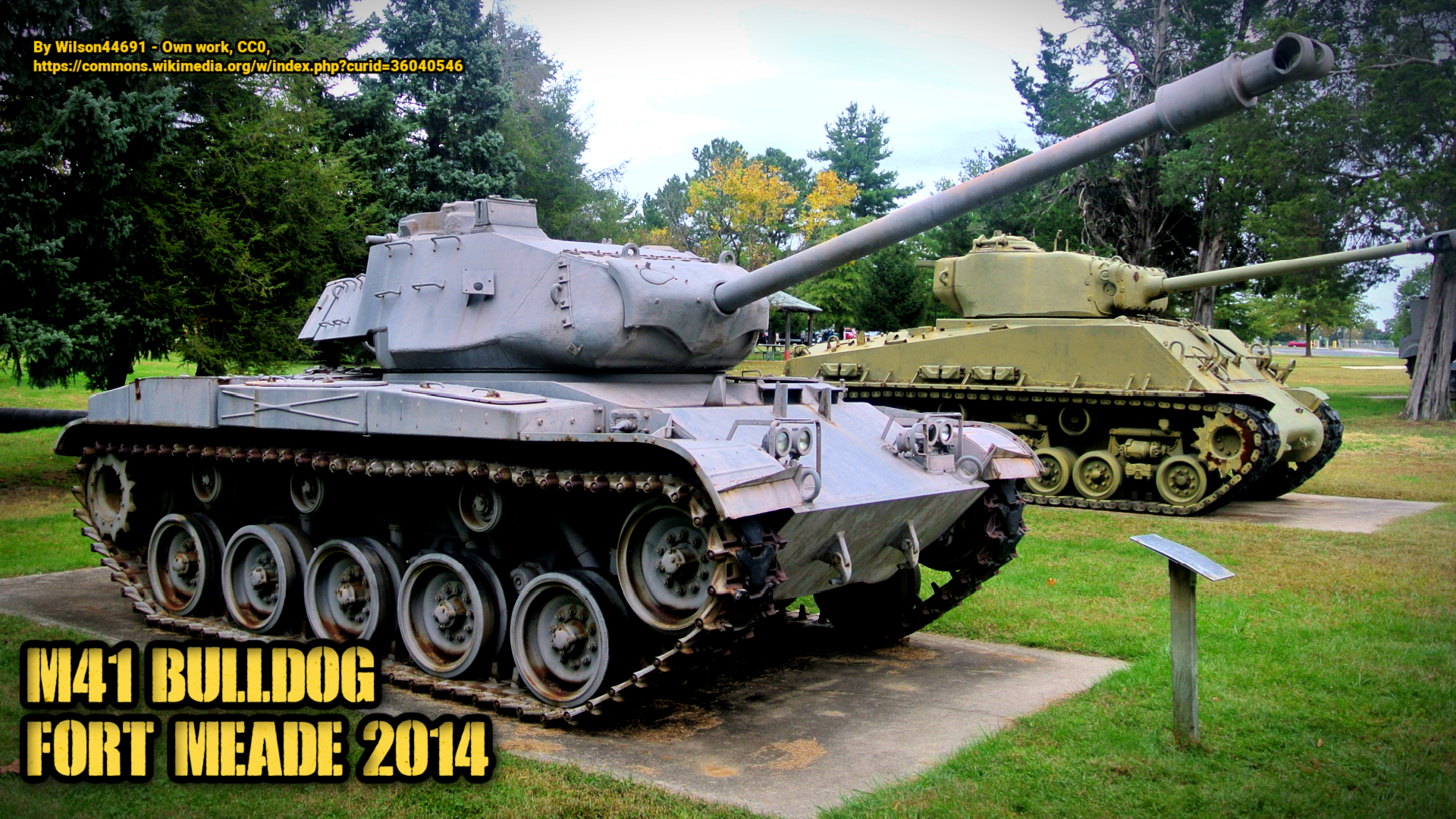
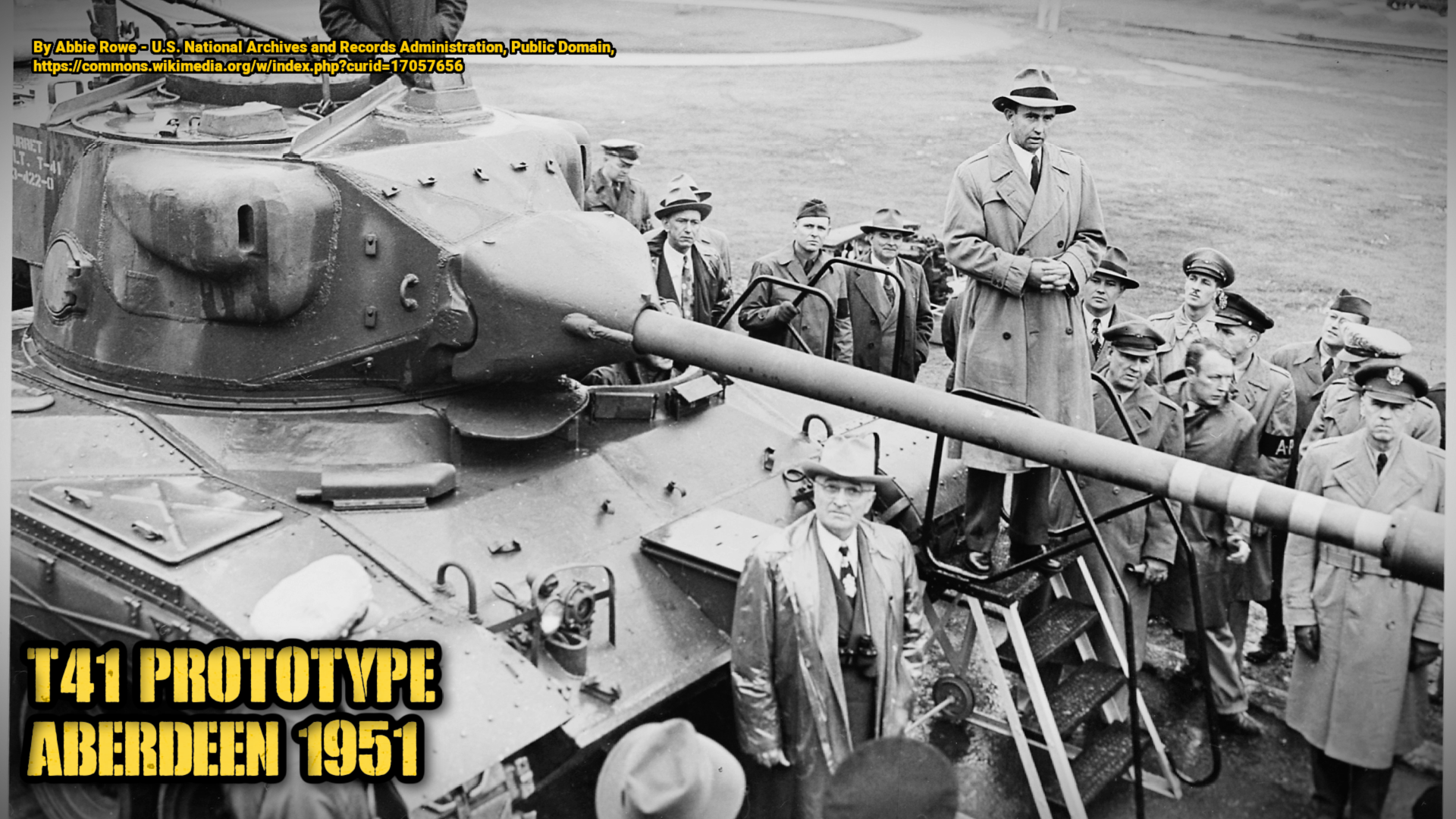
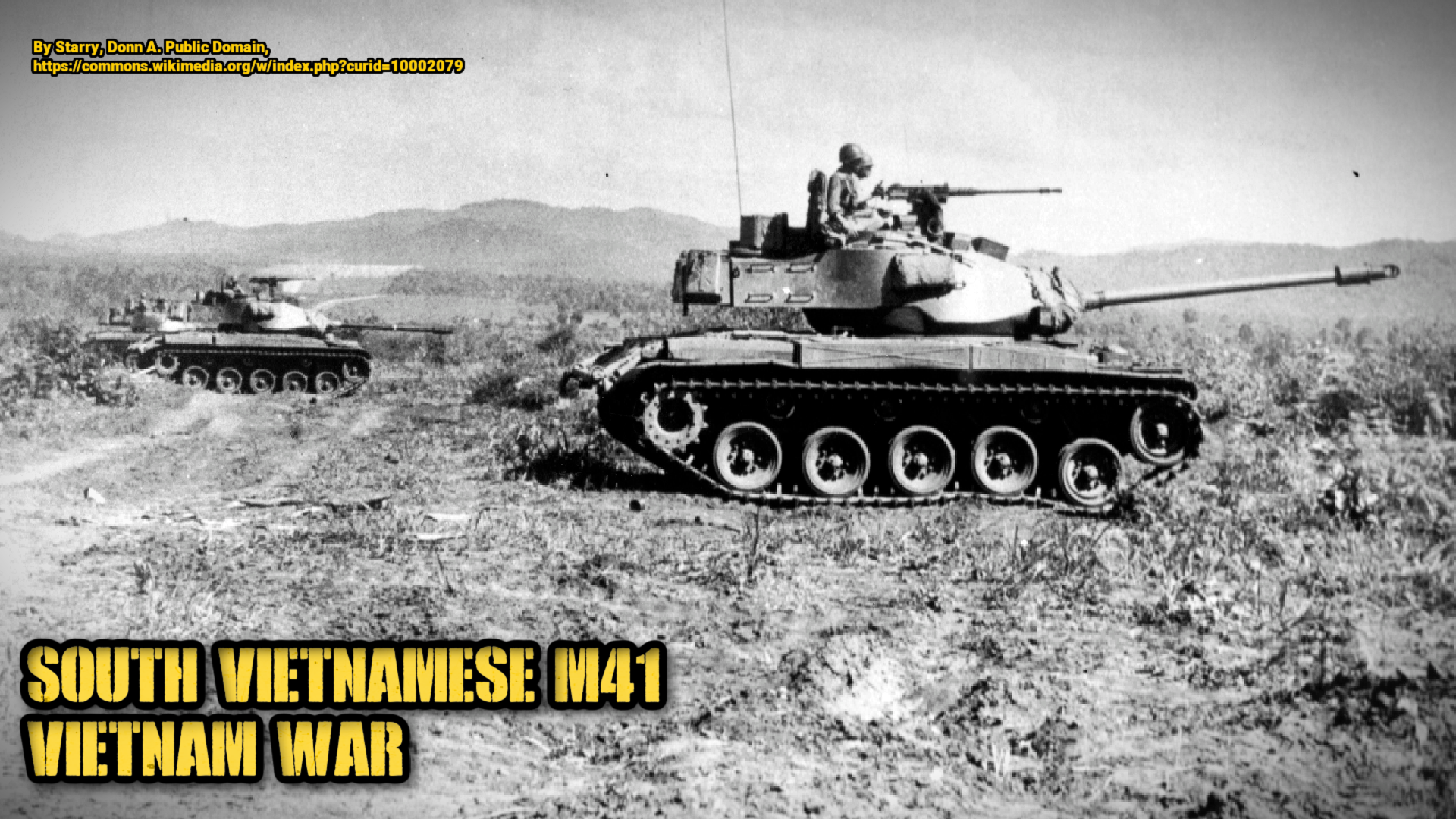
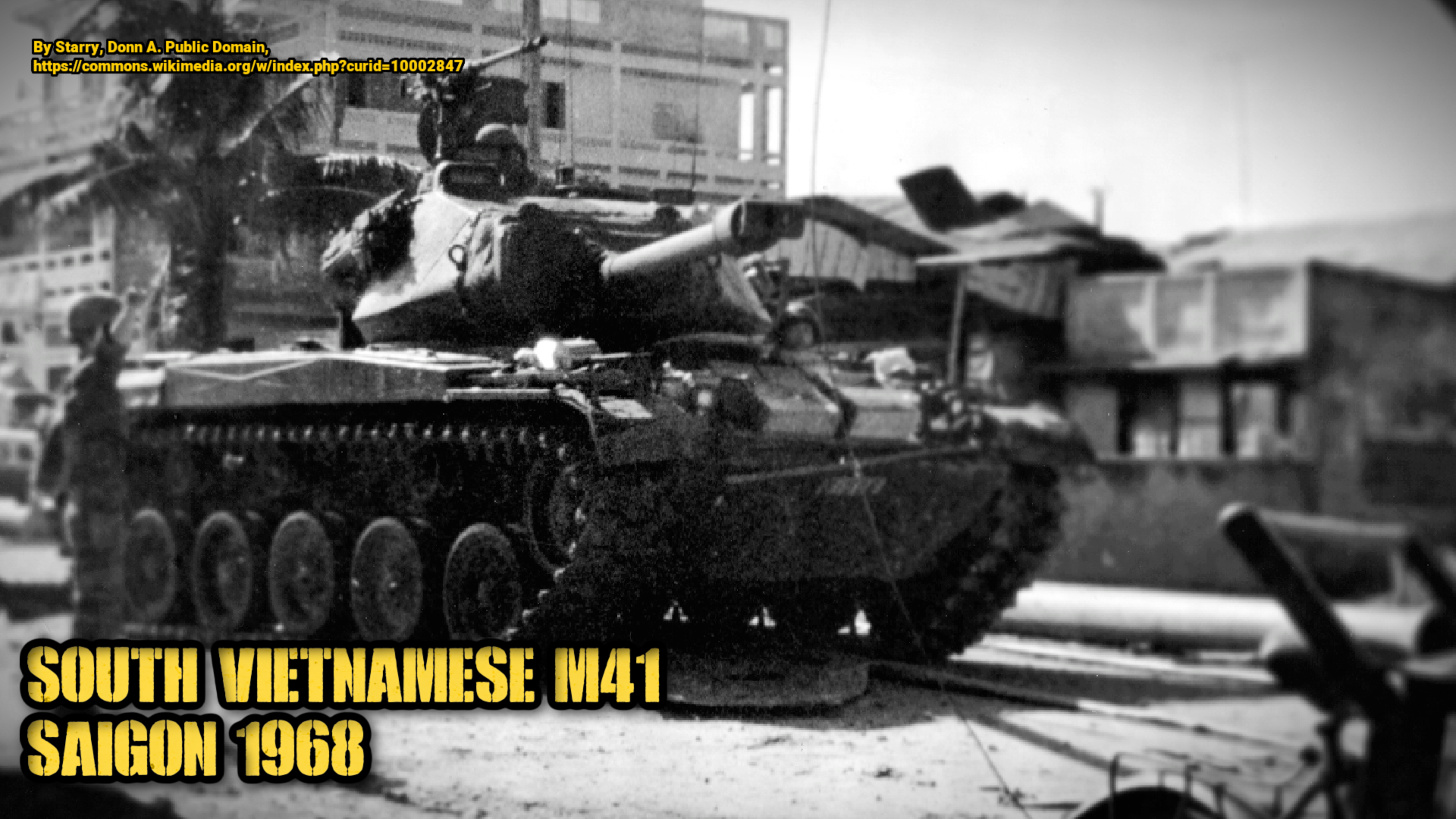
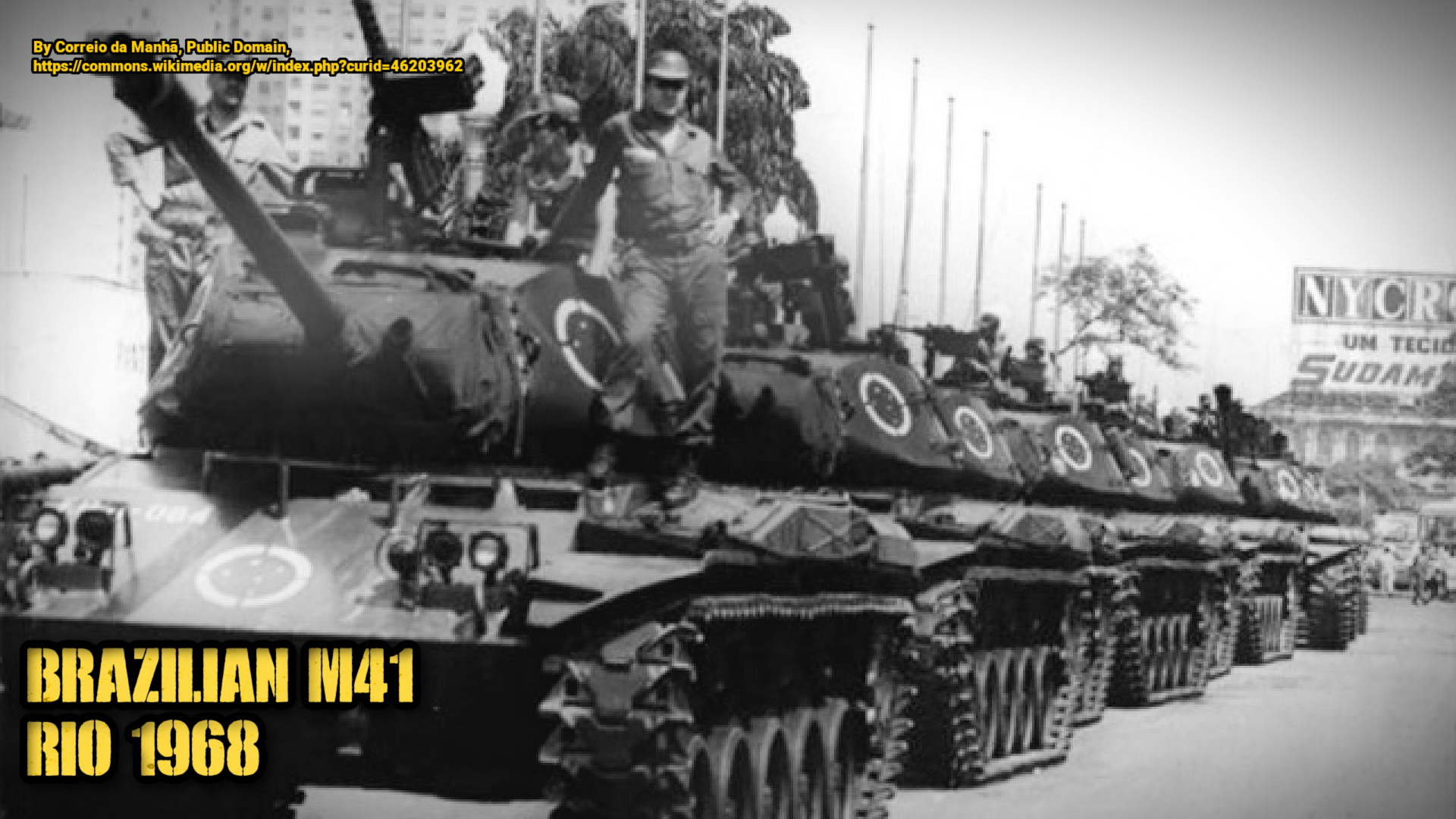
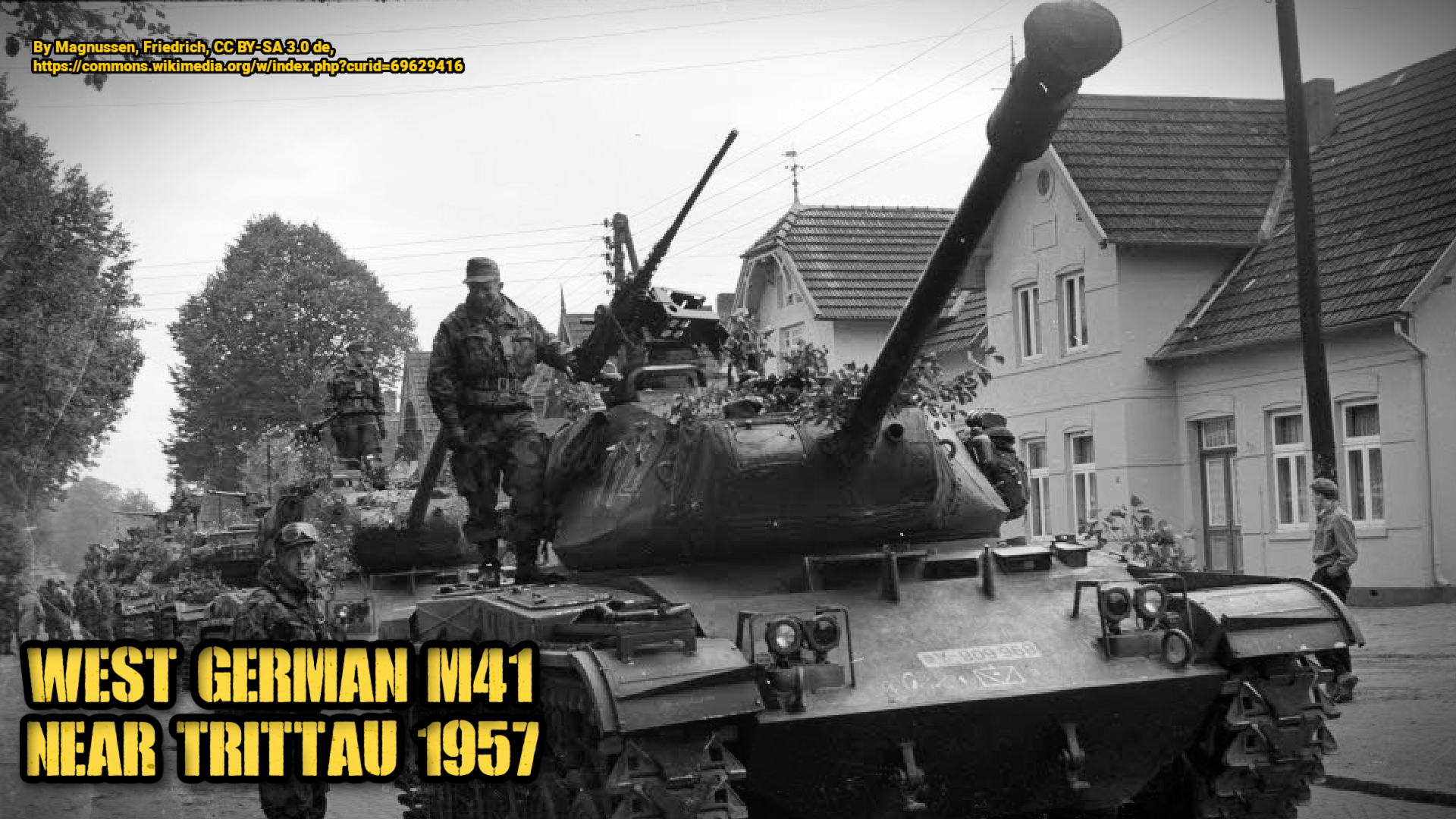
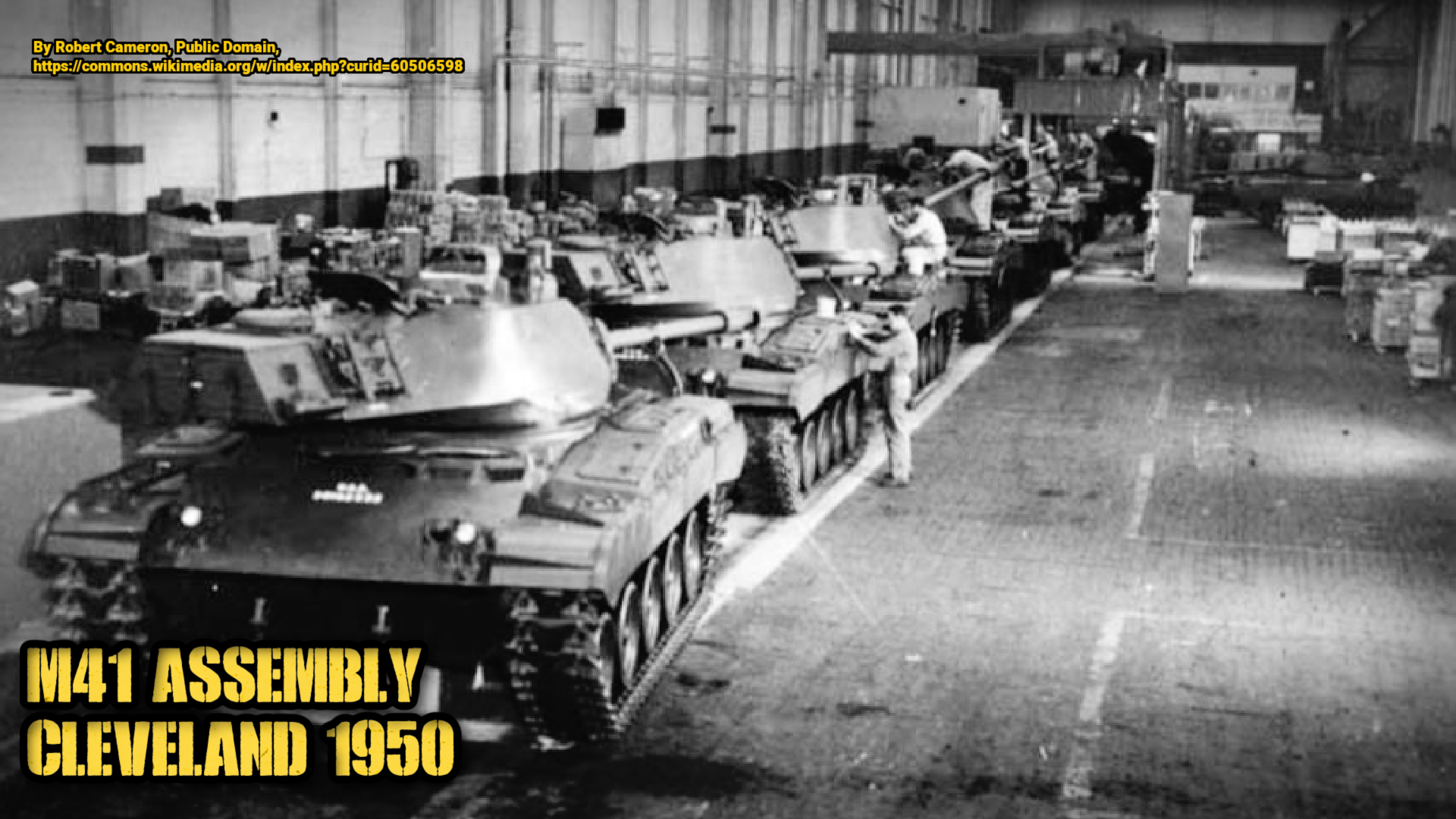
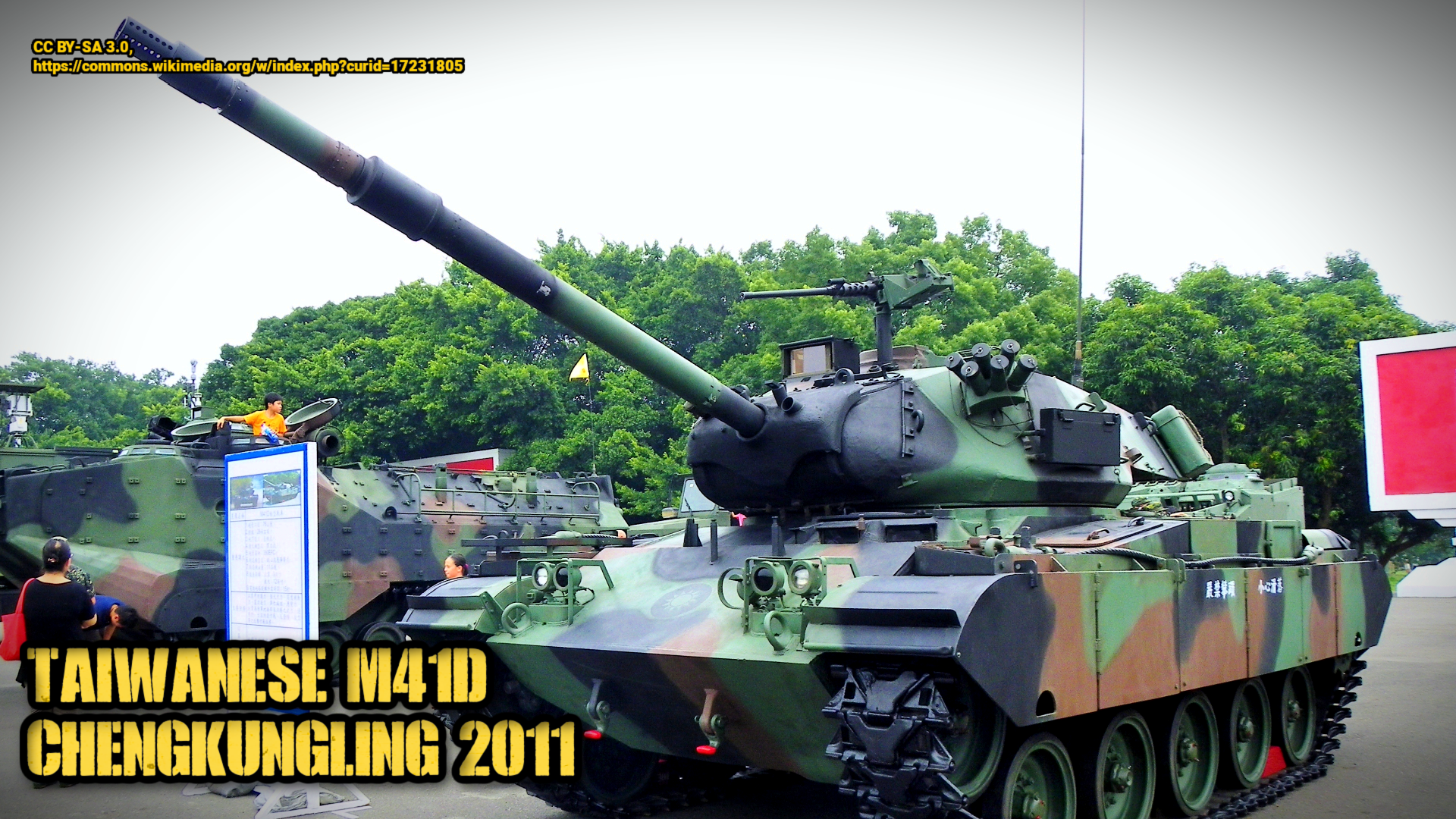
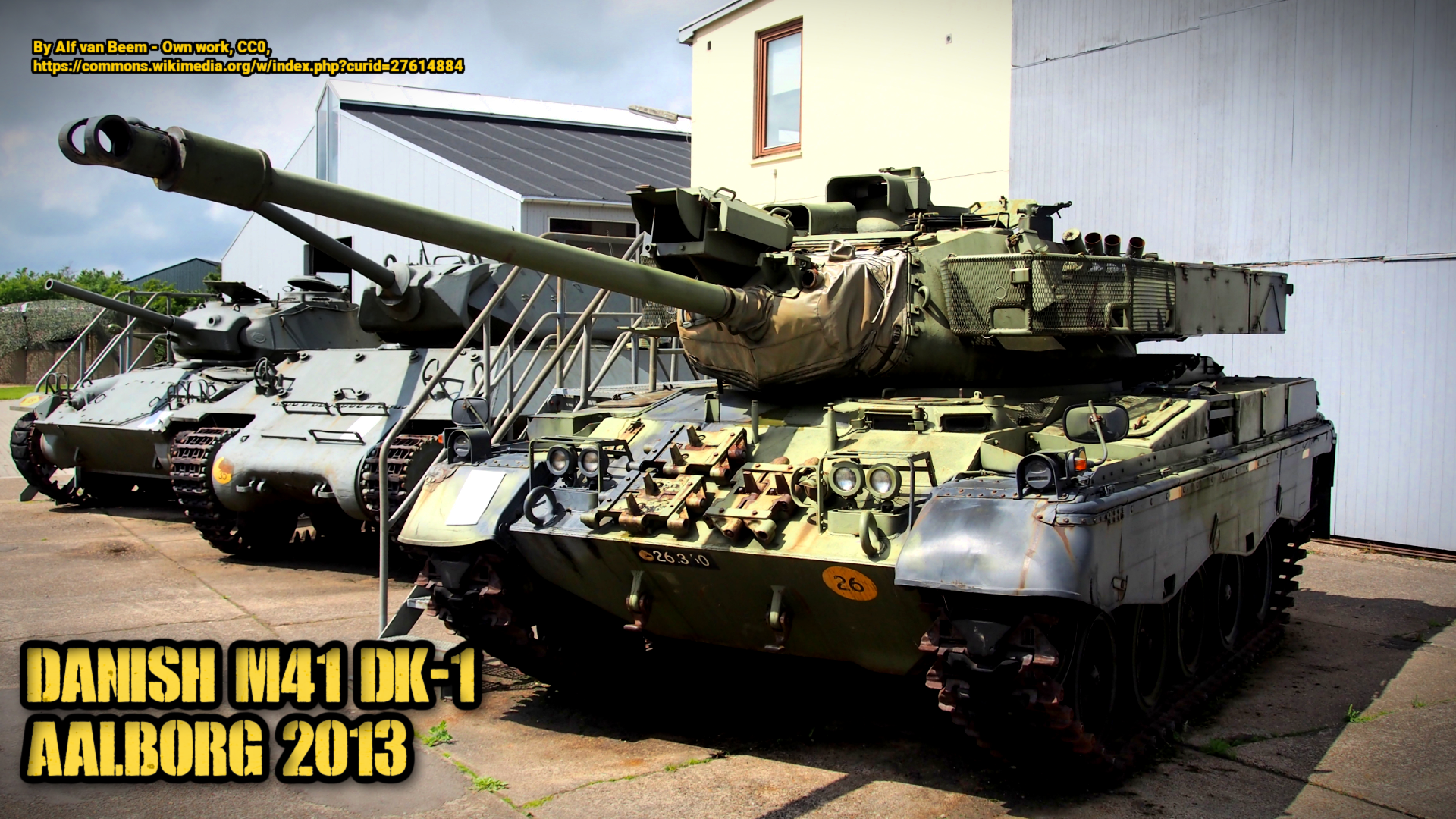
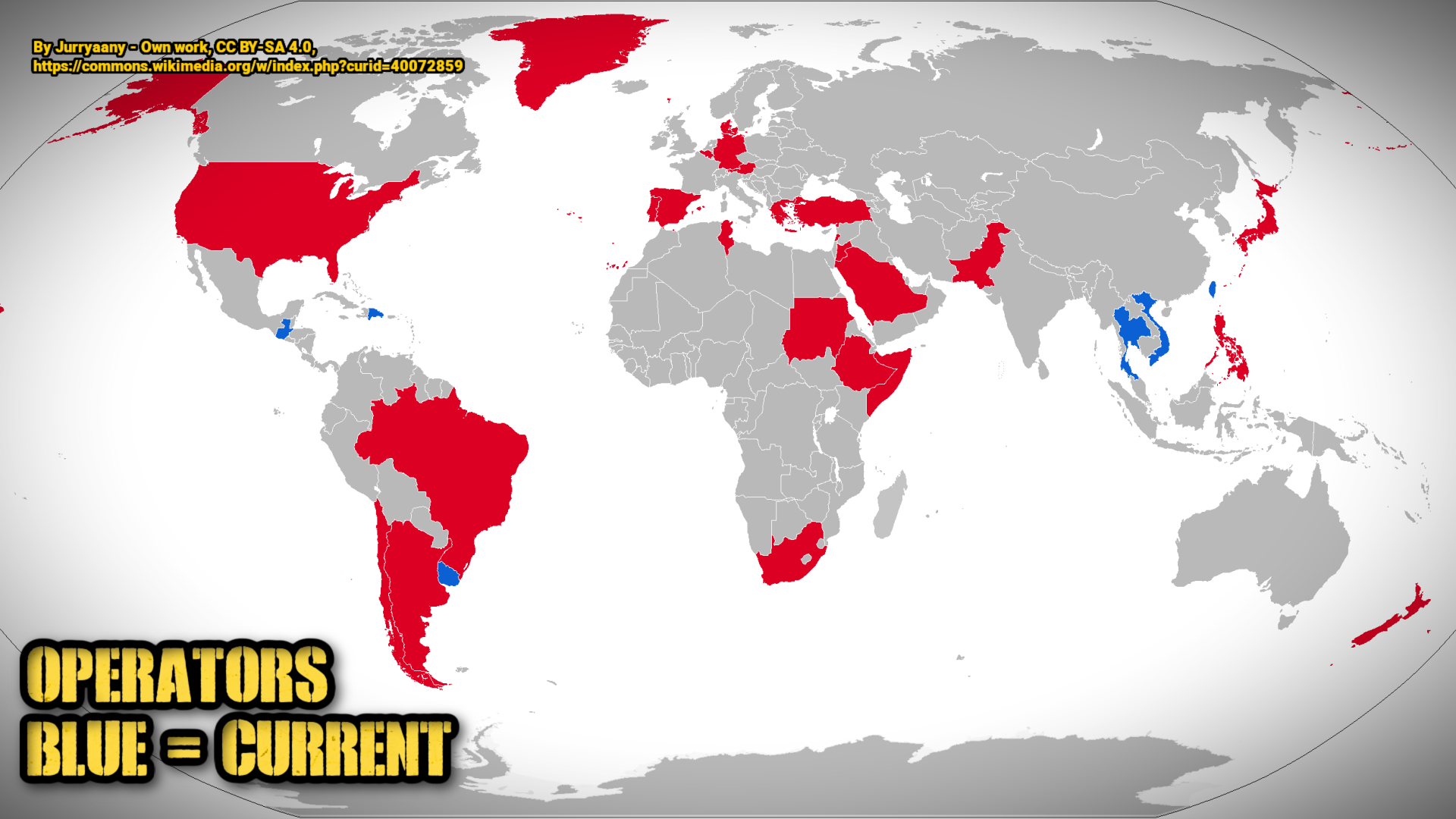
M41 Walker Bulldog - The Covert Tank
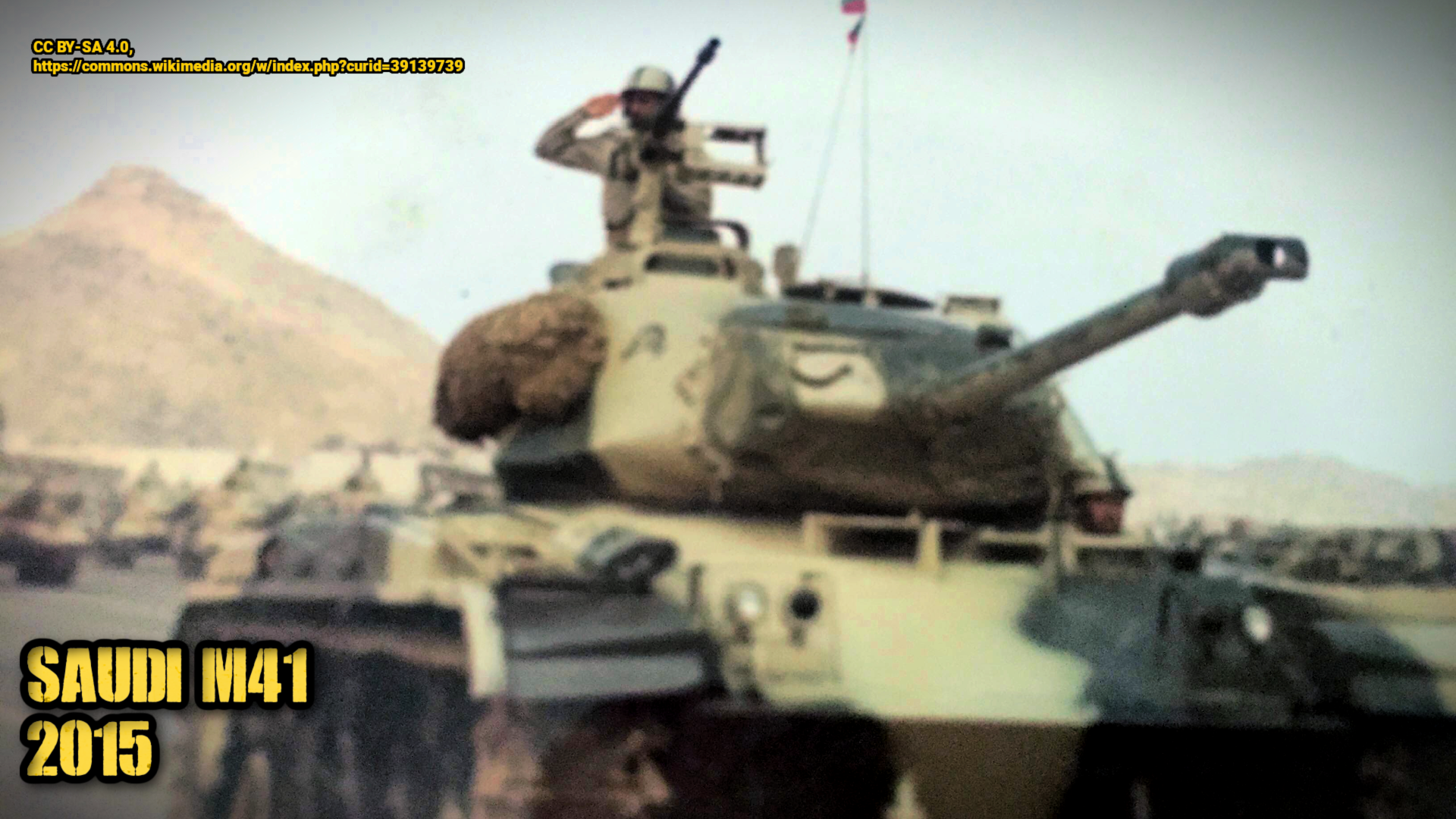
The M41 Walker Bulldog isn't a tank that gets talked about much.
But it has a surprisingly rich combat history, often in the hands of CIA backed non-state actors. From the Bay of Pigs, to the hills of Lebanon, and possibly the sands of Angola, it's a tank that got around.
The halftime interview features the amazing Lottie The Tank Whisperer from the Turret Monsters podcast.
Slideshow images:
Links for recent events:
Operation Vivaldi. The Atlantic Council
Turrets are dead. Trench Art
Exploding goggles. Owen Warner
America’s best minds. Clash Report
EU building their own MS Teams. BBC
Ukraine’s stolen fleet of T-62s. Trench Art
German exercises in 1932. Mike’s Research
New British robot artillery. Wikipedia
Drones as the new infantry. Trench Art
Nordstream bombing trial. BBC
Upcoming Livestream: M41 Walker Bulldog
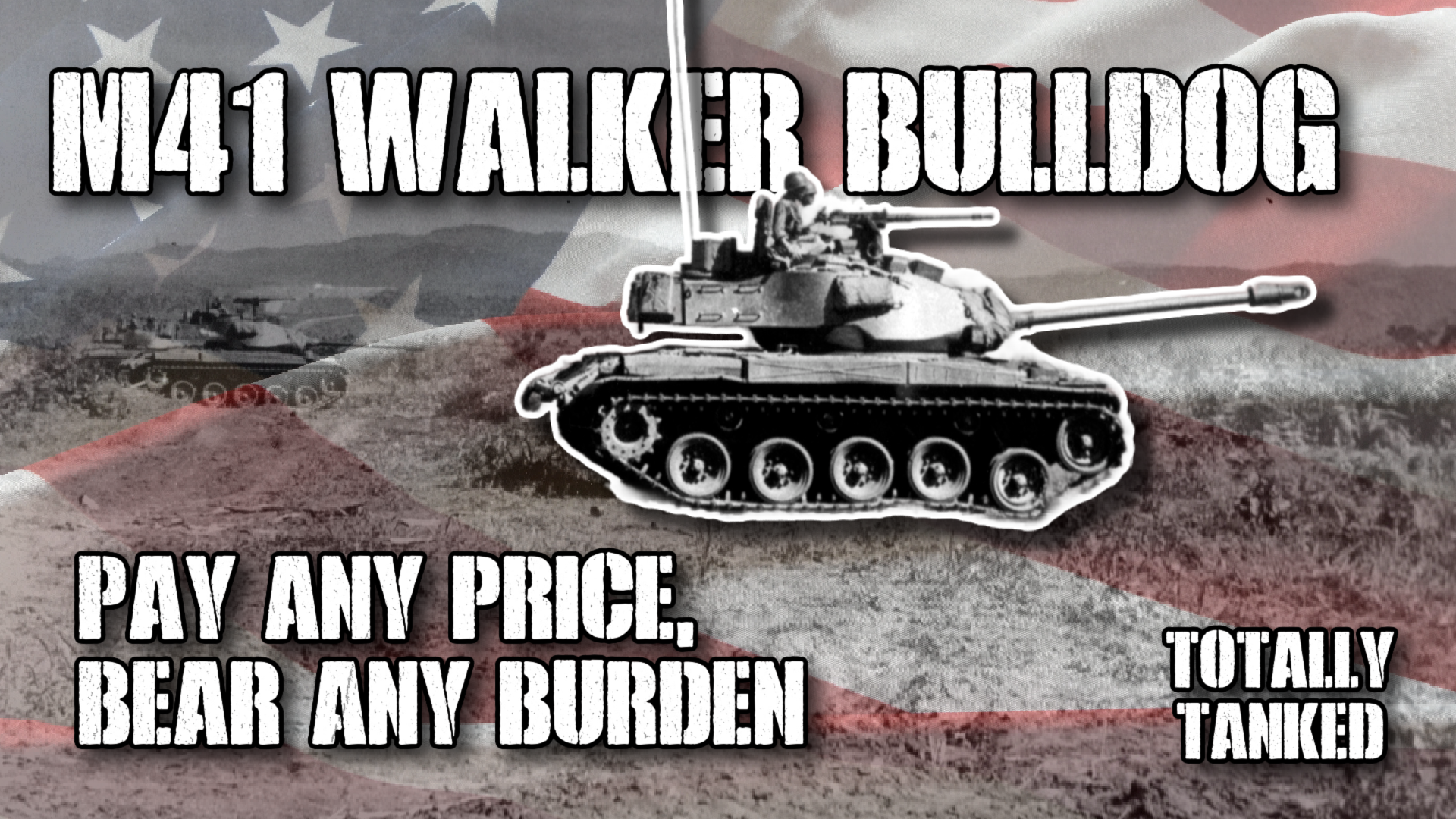
The M41 Walker Bulldog isn't a tank that gets talked about much. But it has a surprisingly rich combat history, often in the hands of CIA backed non-state actors.
From the Bay of Pigs, to the hills of Lebanon, and possibly the sands of Angola, it's a tank that got around.
So it's time to remedy matters and talk a whole lot about it.
Join the party on the livestream chat on the weekend of 24 October or watch at your leisure!
Set your notifications at: https://www.youtube.com/live/HNzQ_28kraI
Can you guess the October Tank?
OK folks, can anyone guess what the next tank we're going to be covering in October is?
Leave us a comment if you can figure it out!
Lazerpig cameo
So finally John gets to talk about WW2 warships in a Lazerpig video.
It’s all great stuff but our bit starts at 19:23
The Beast Killers - Full Episode
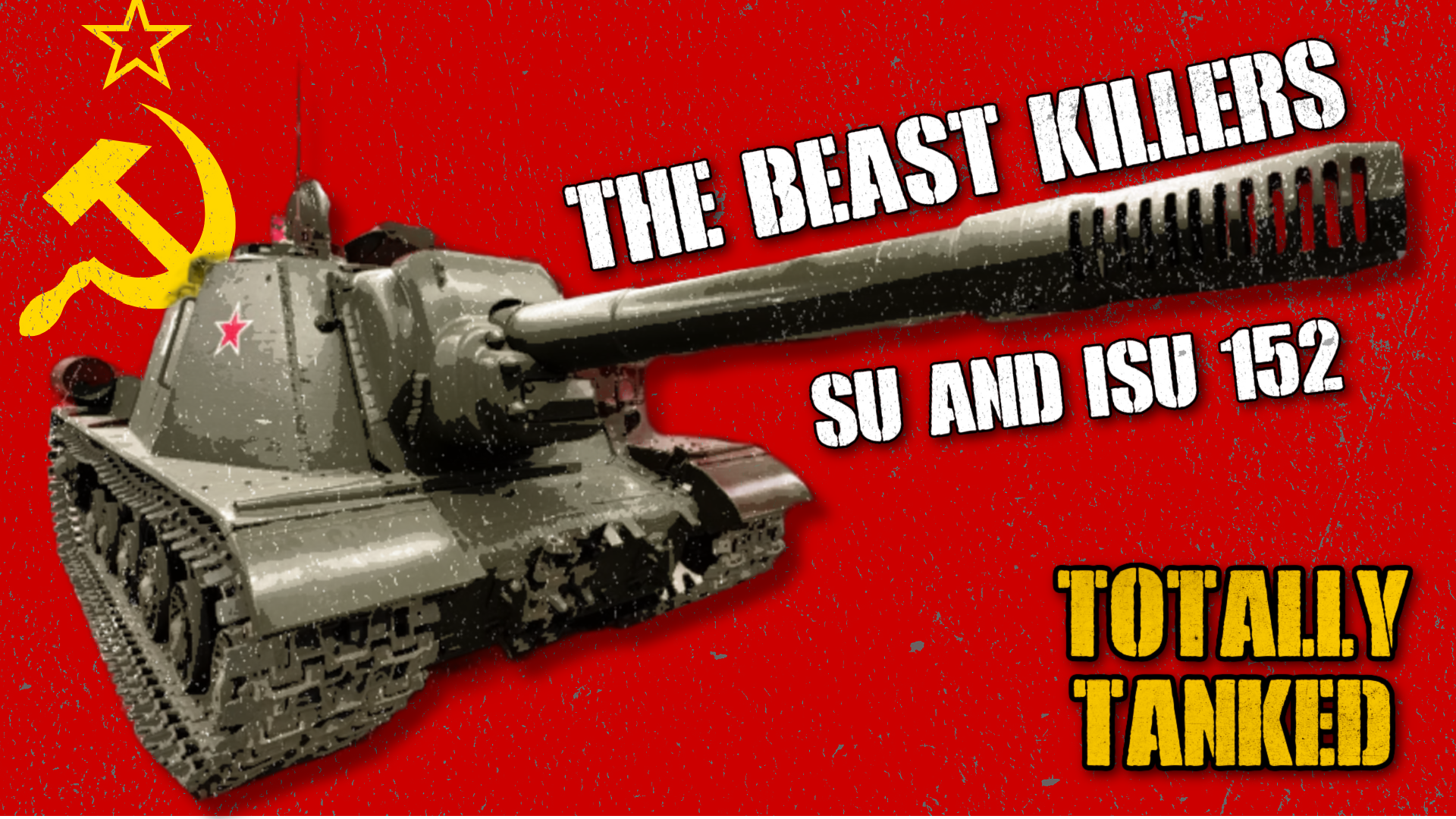
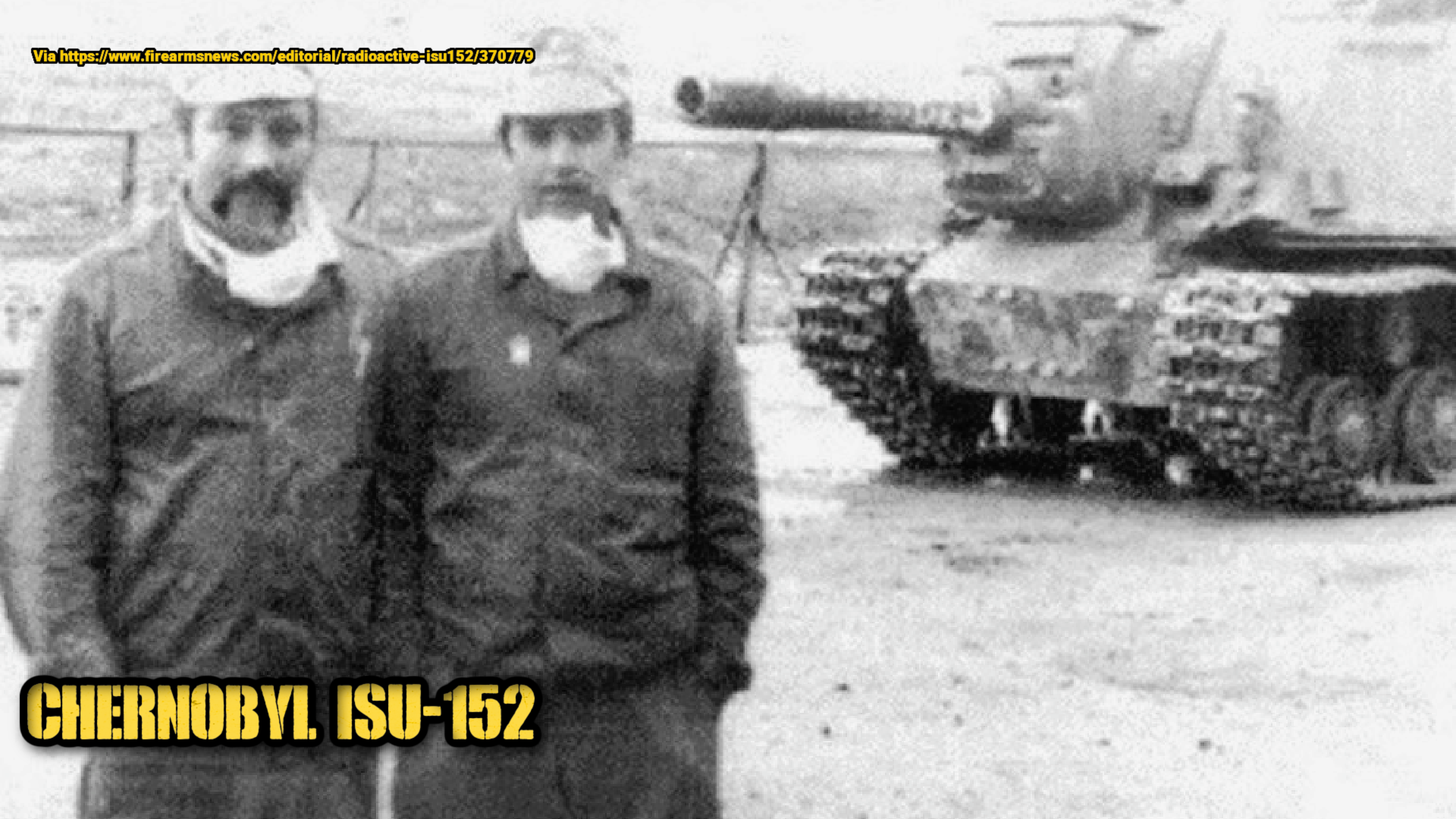
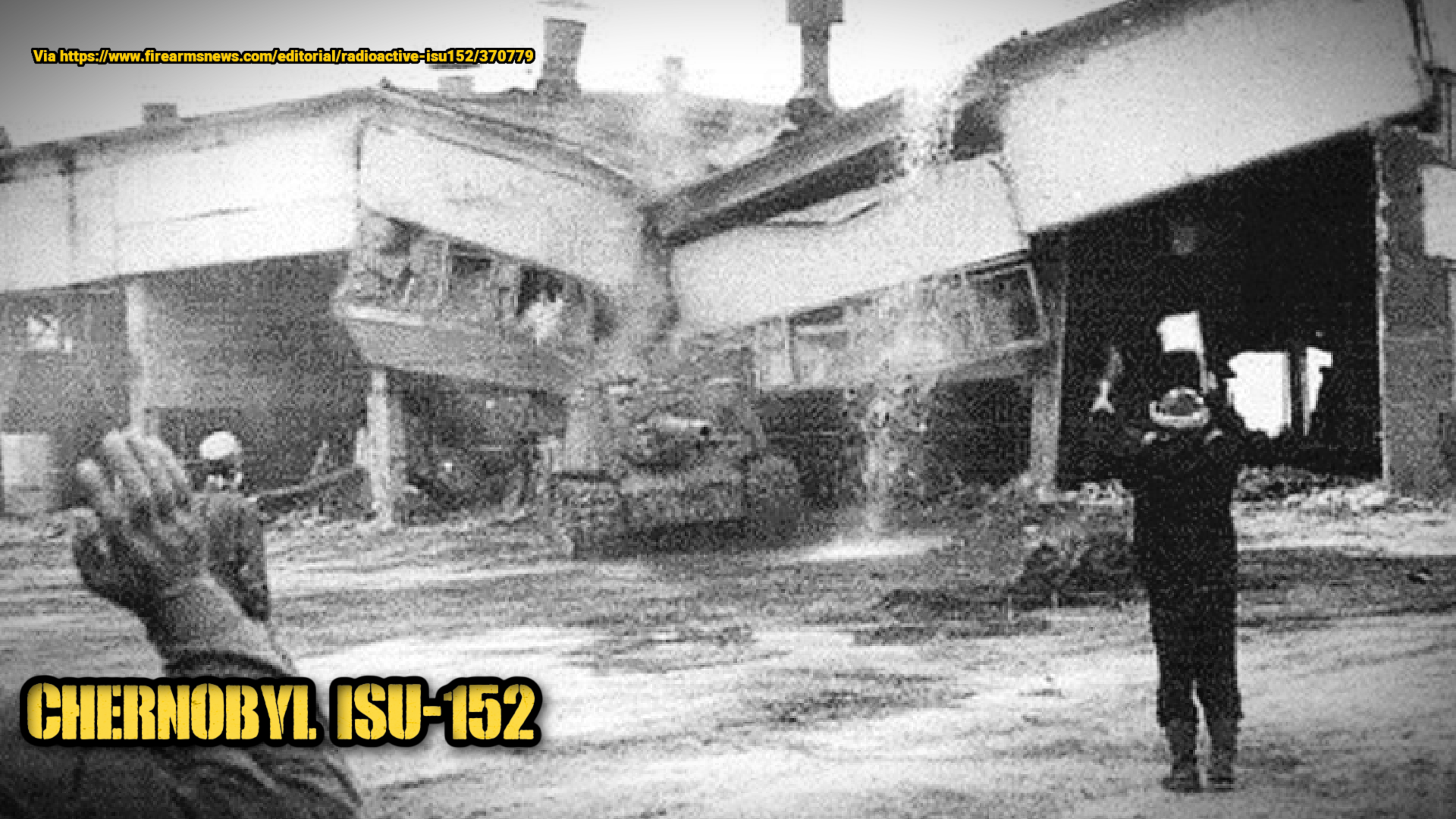
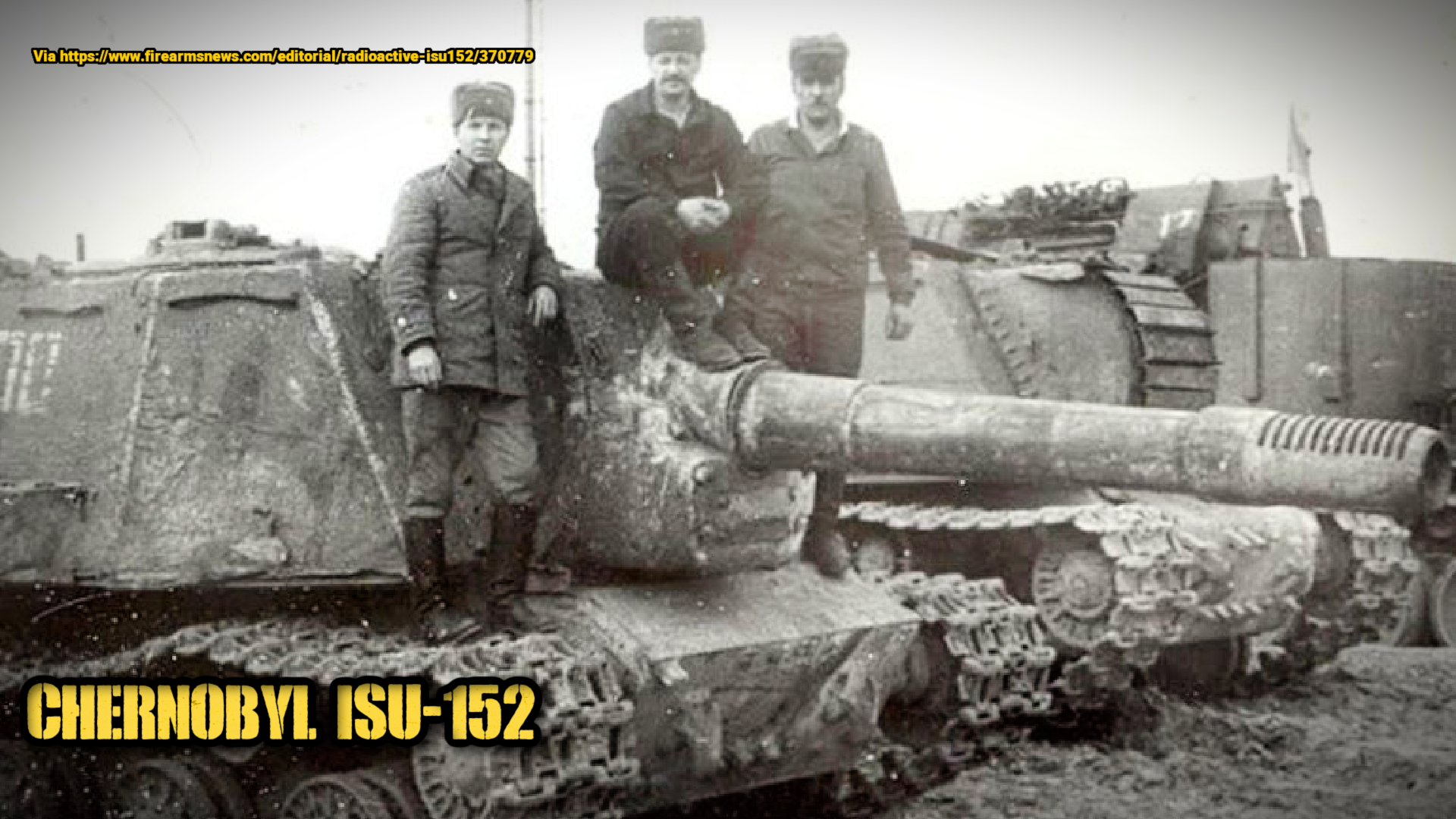
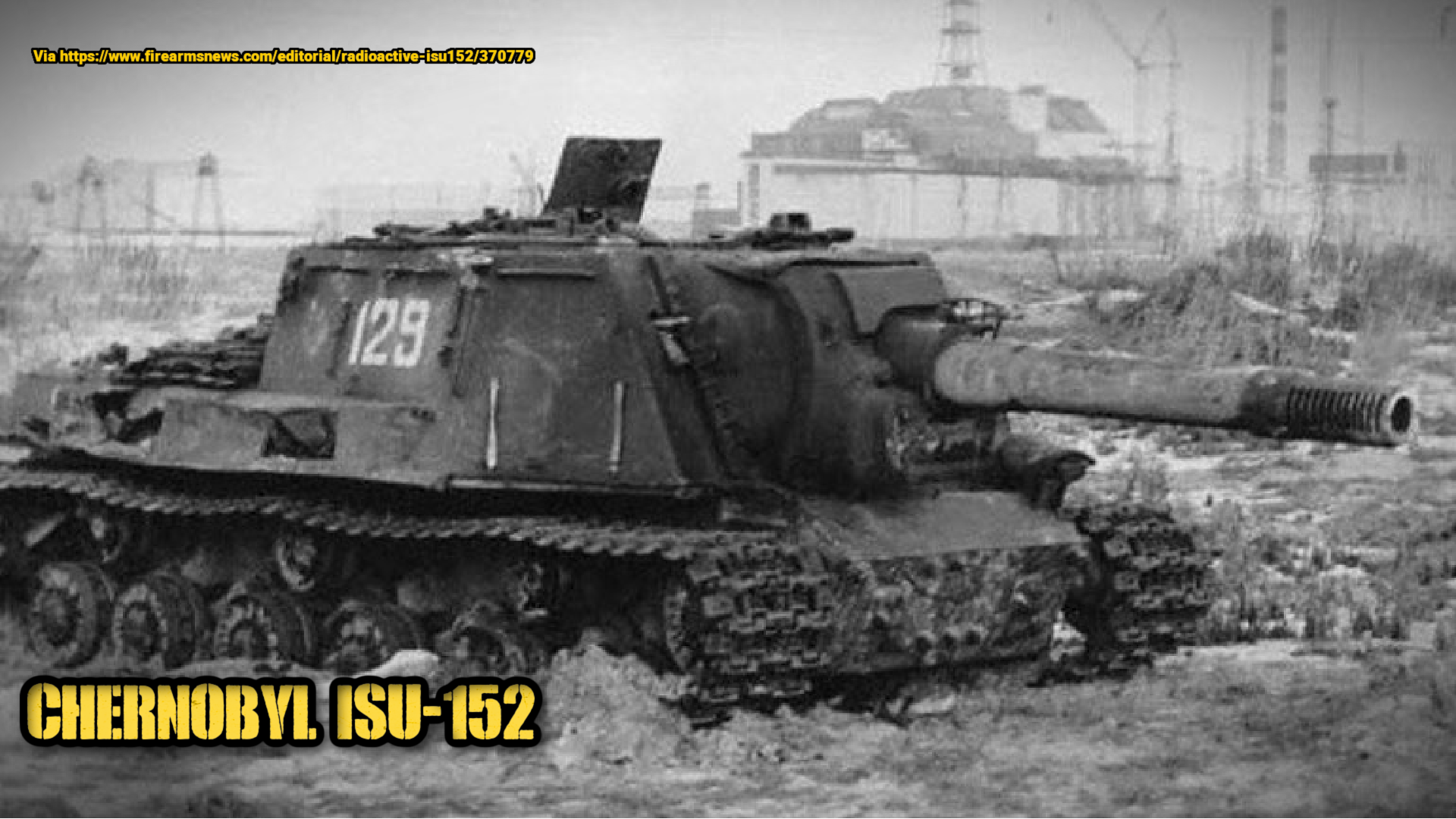
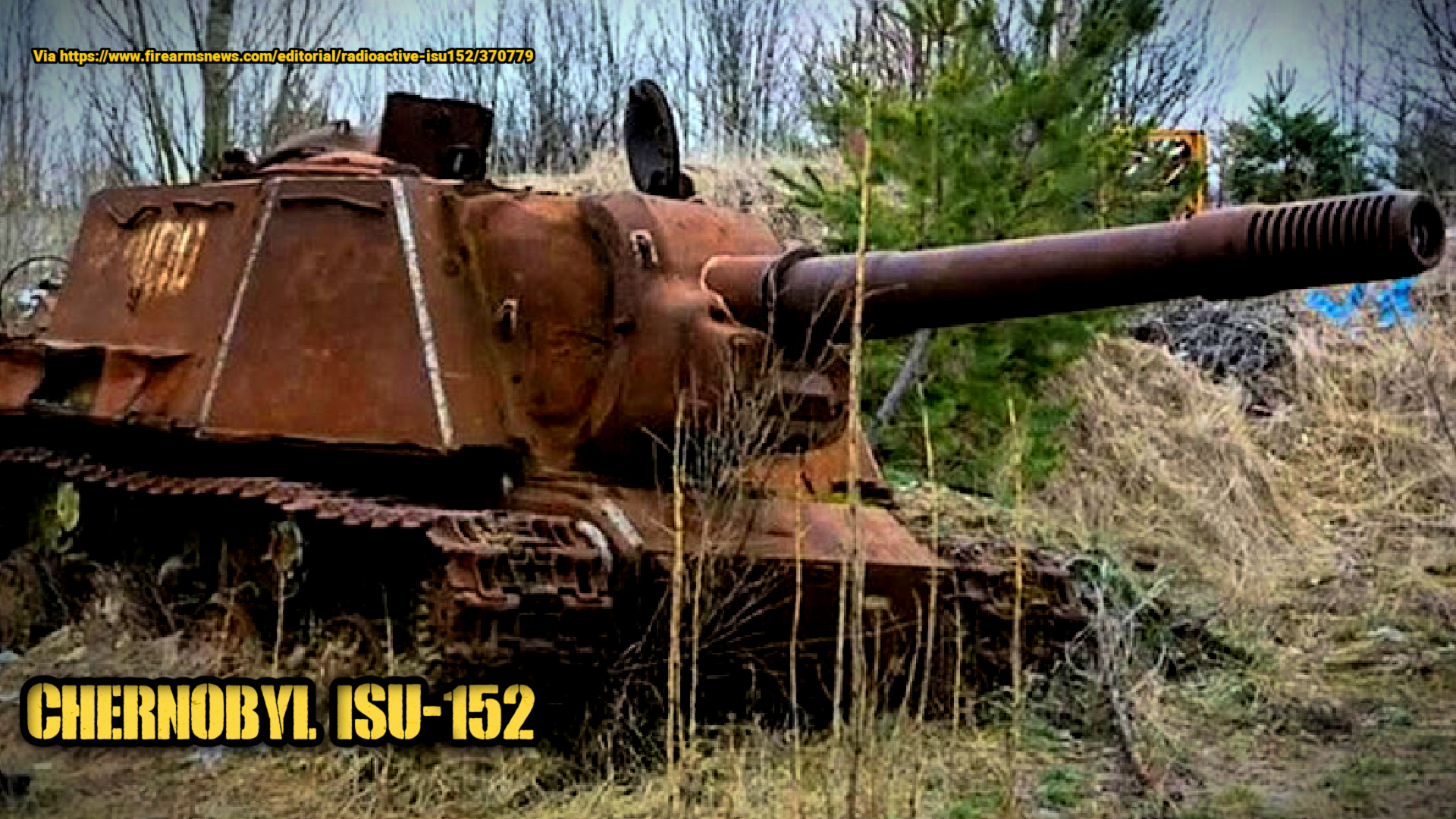
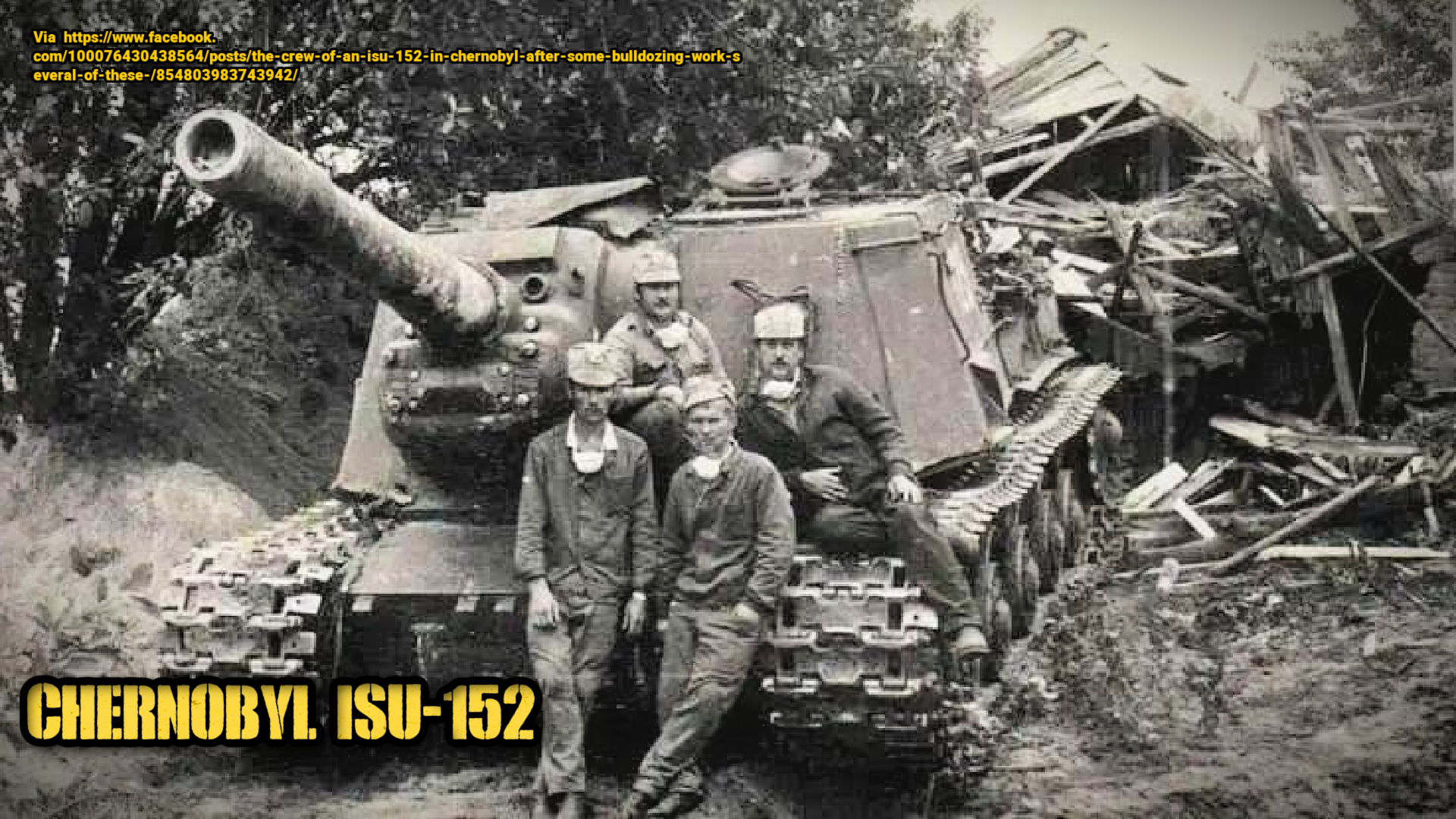
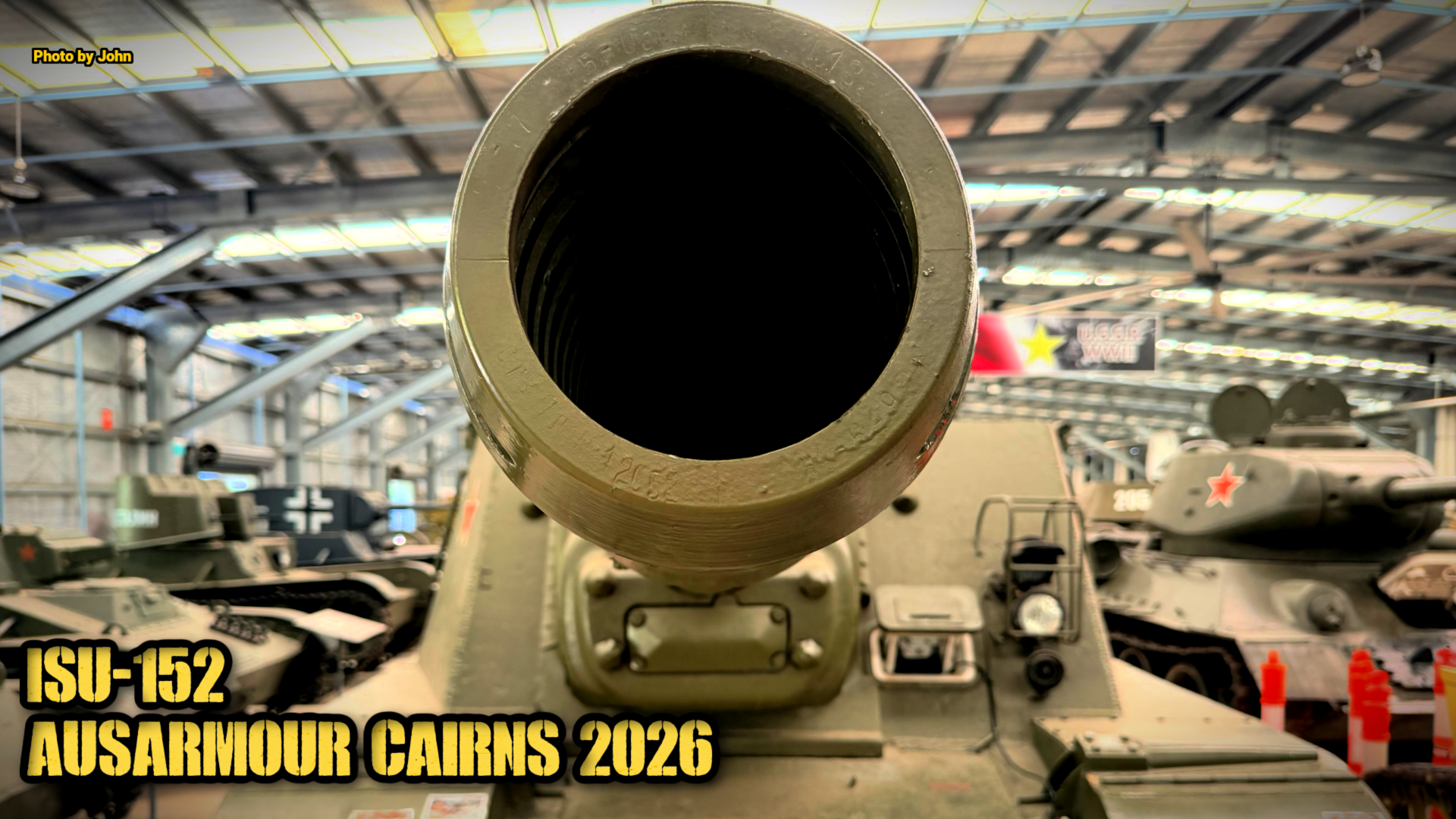
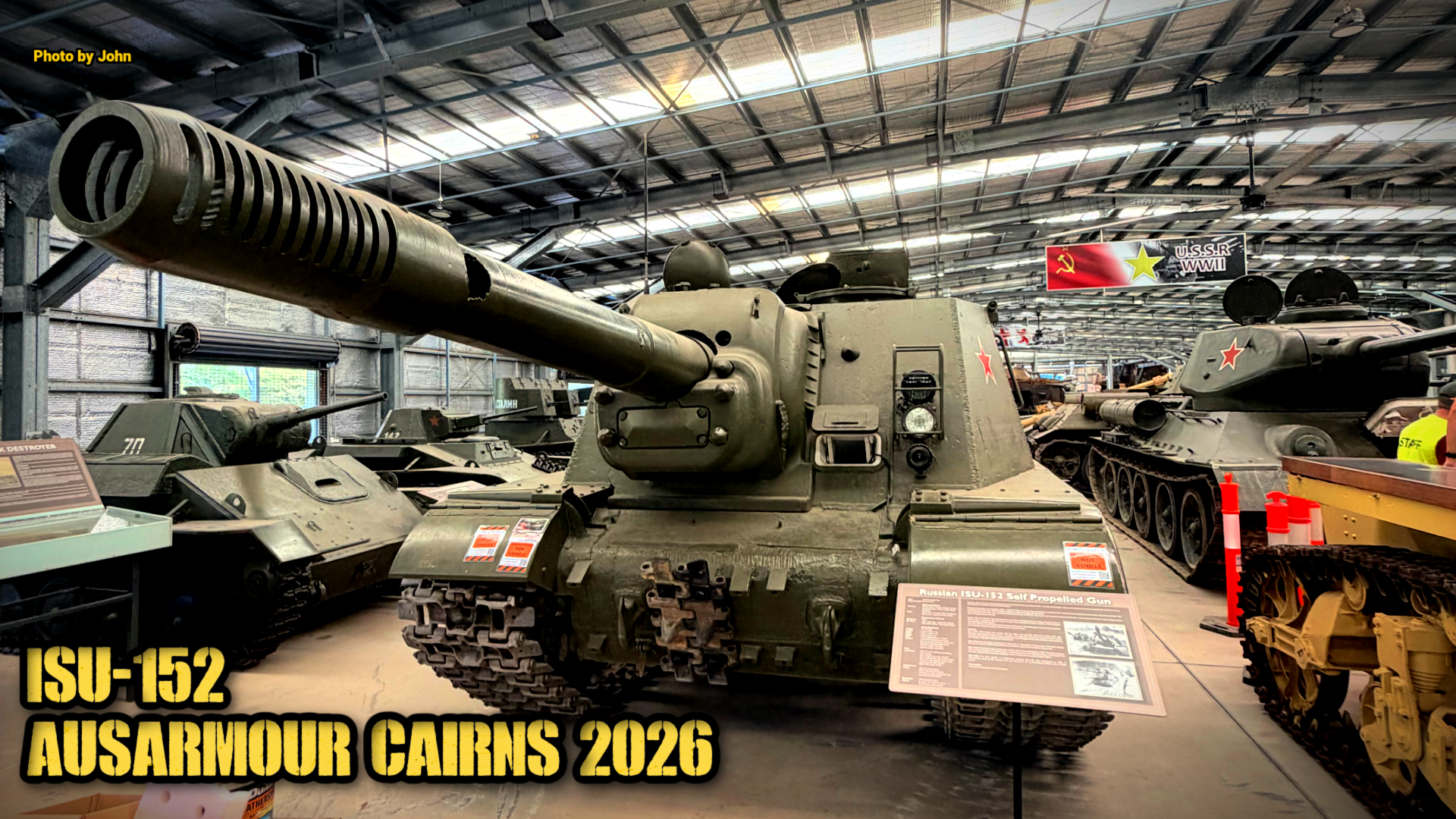
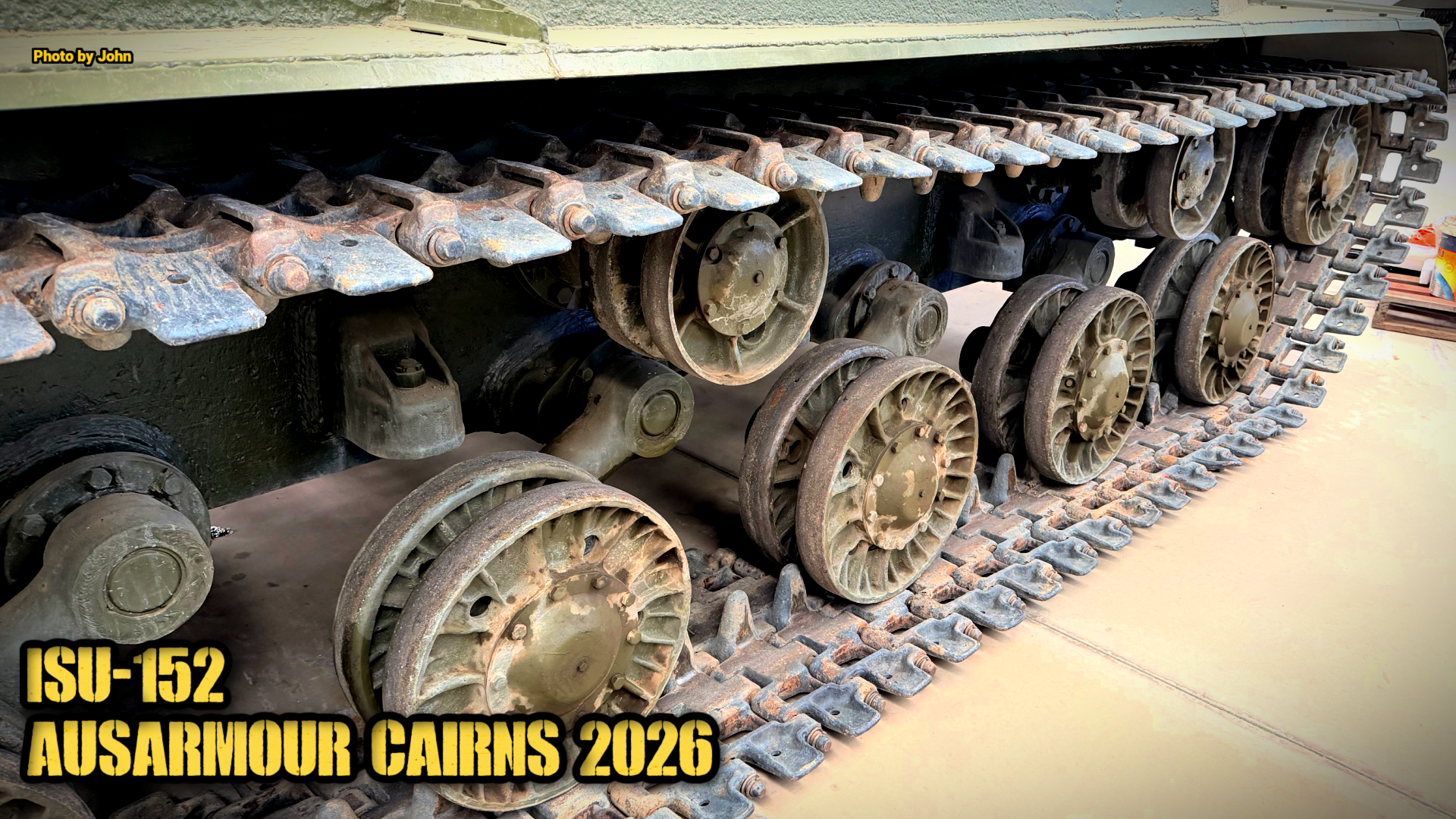
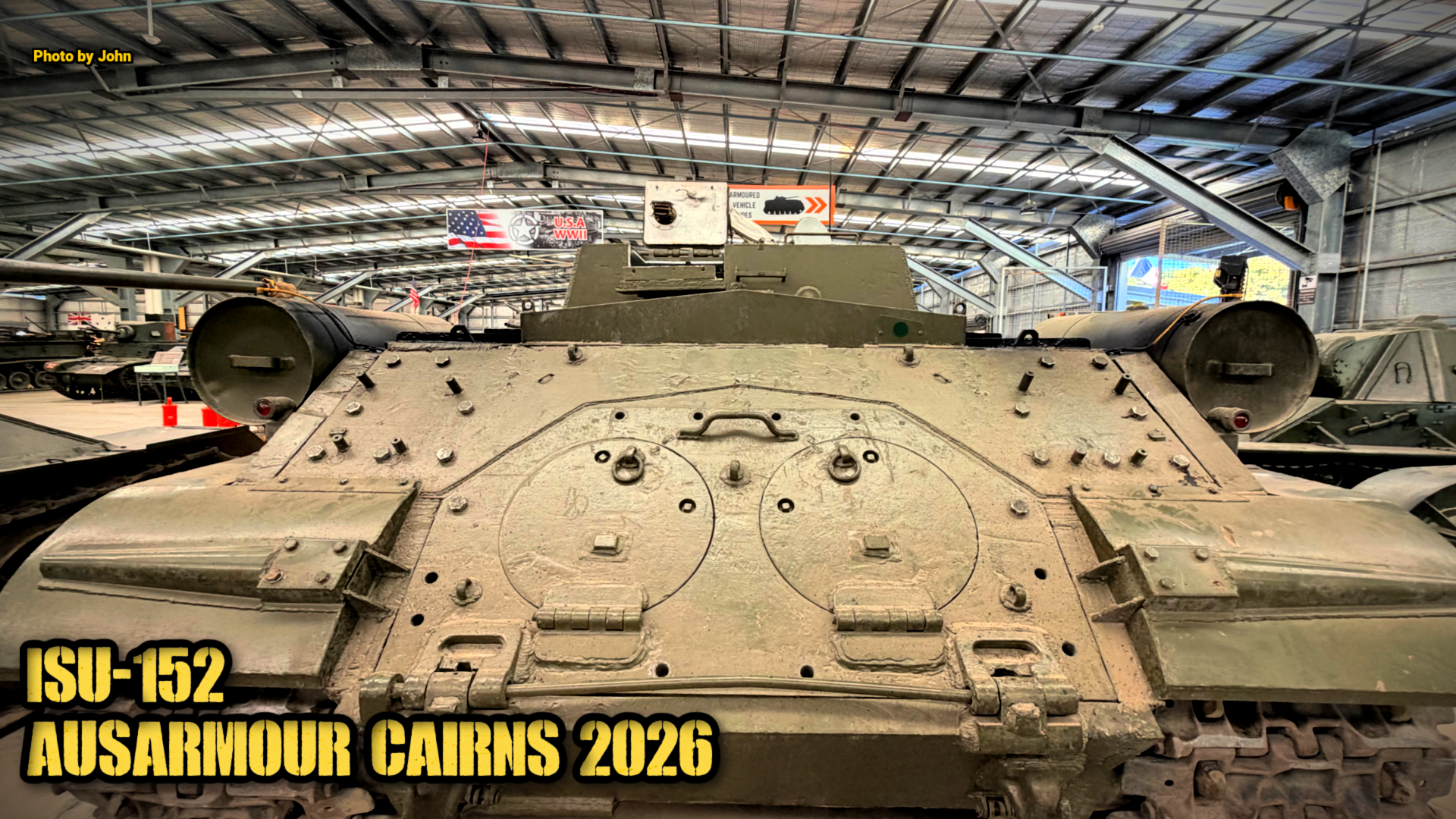
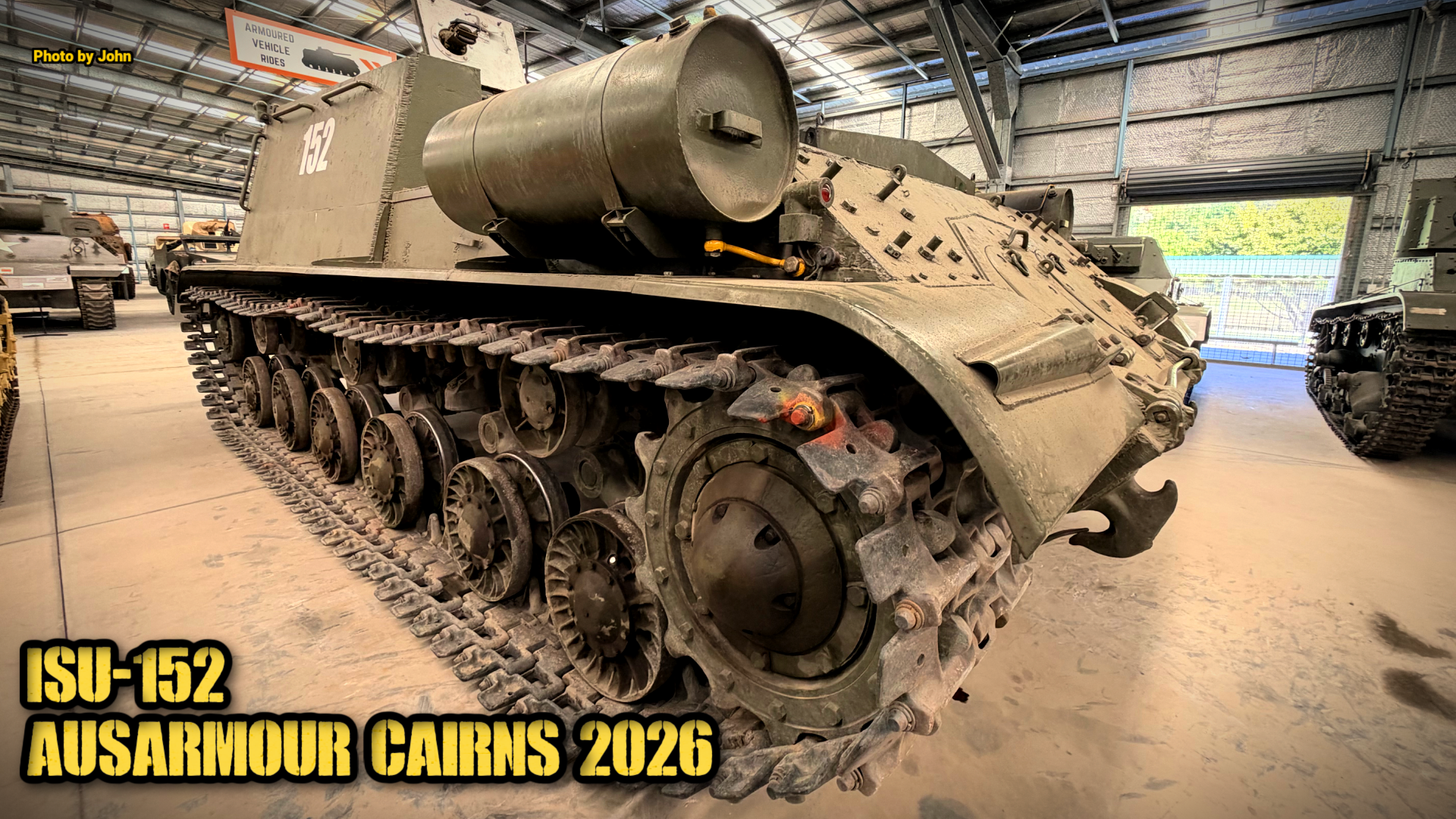
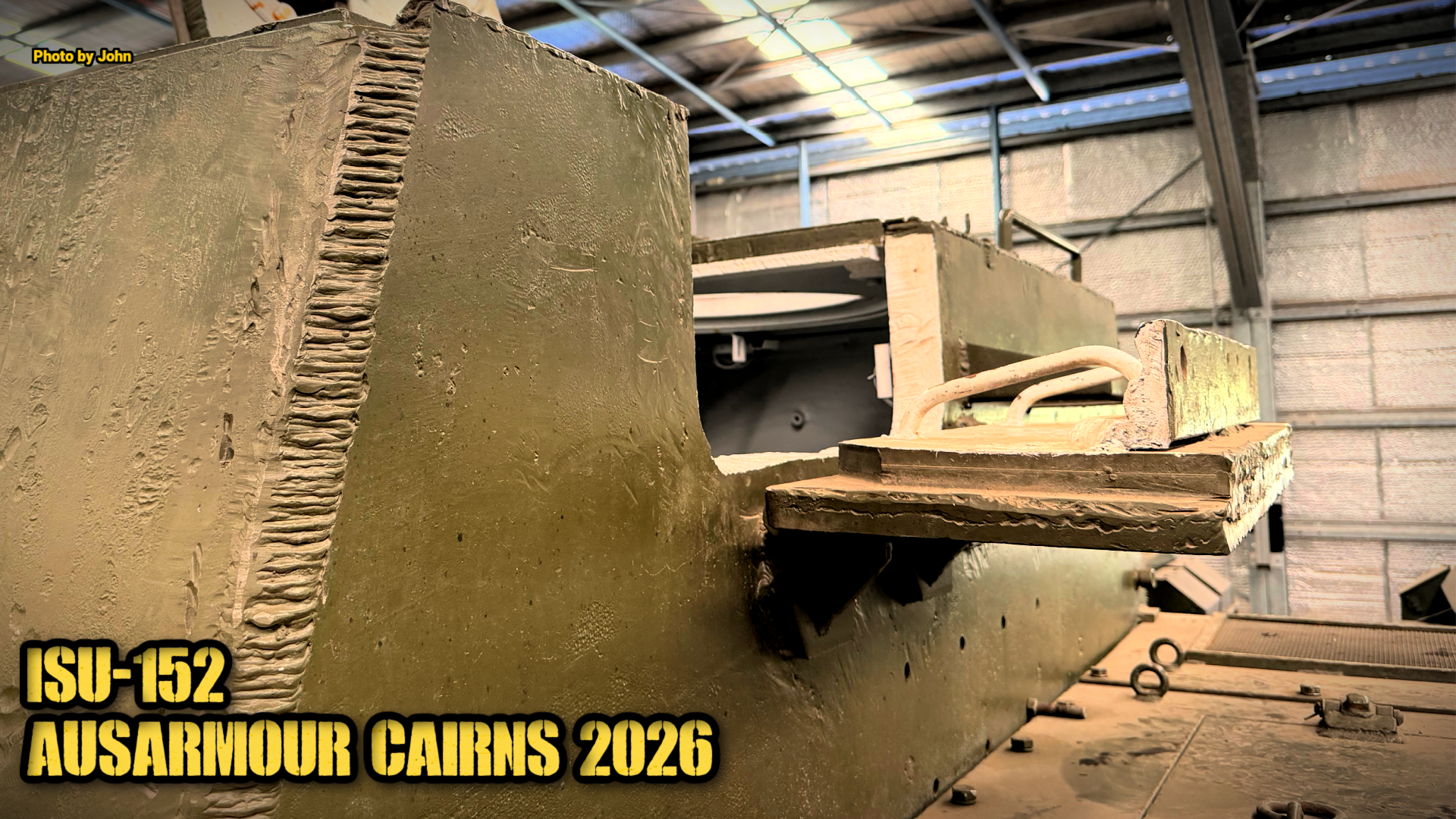
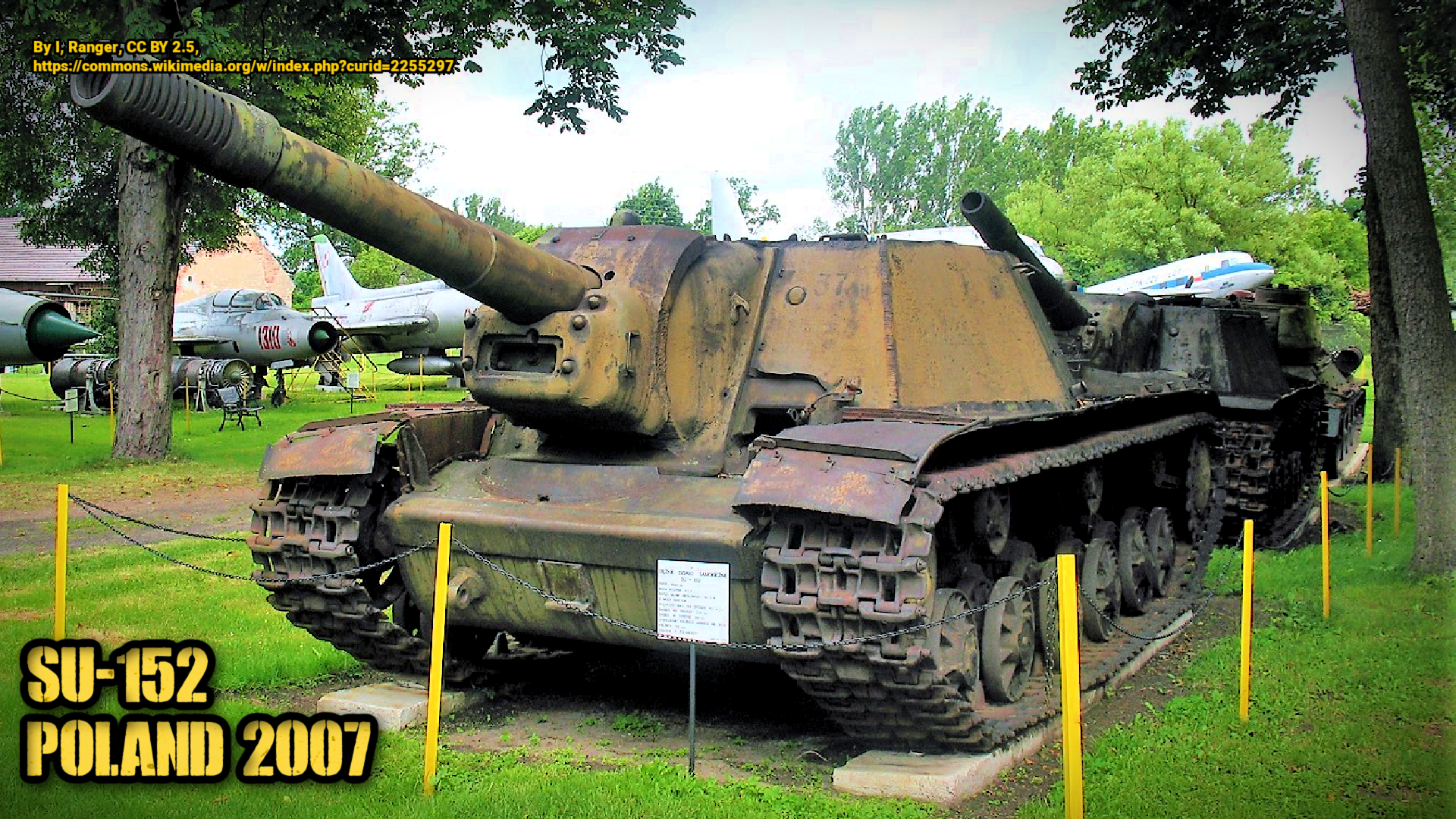
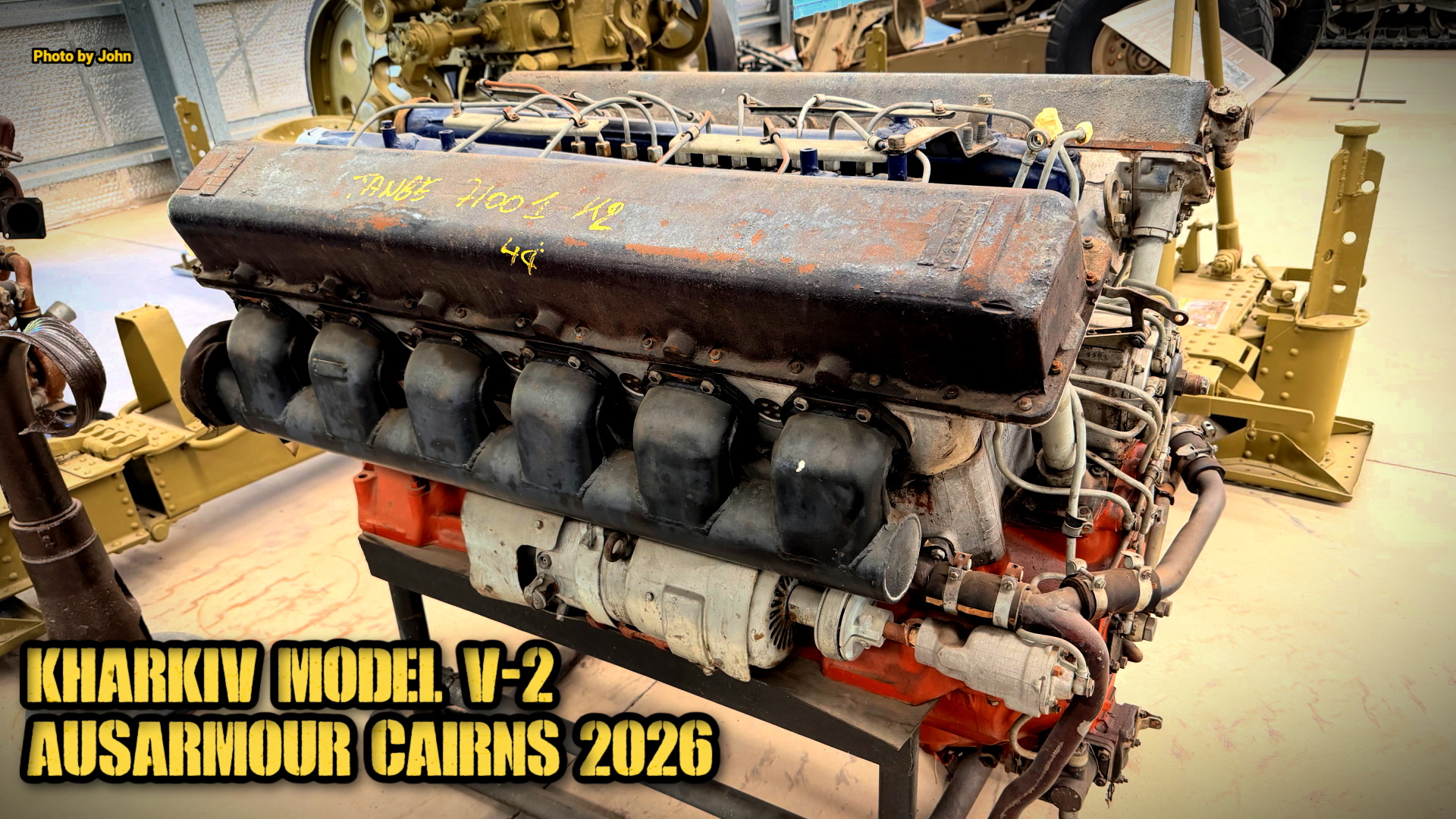
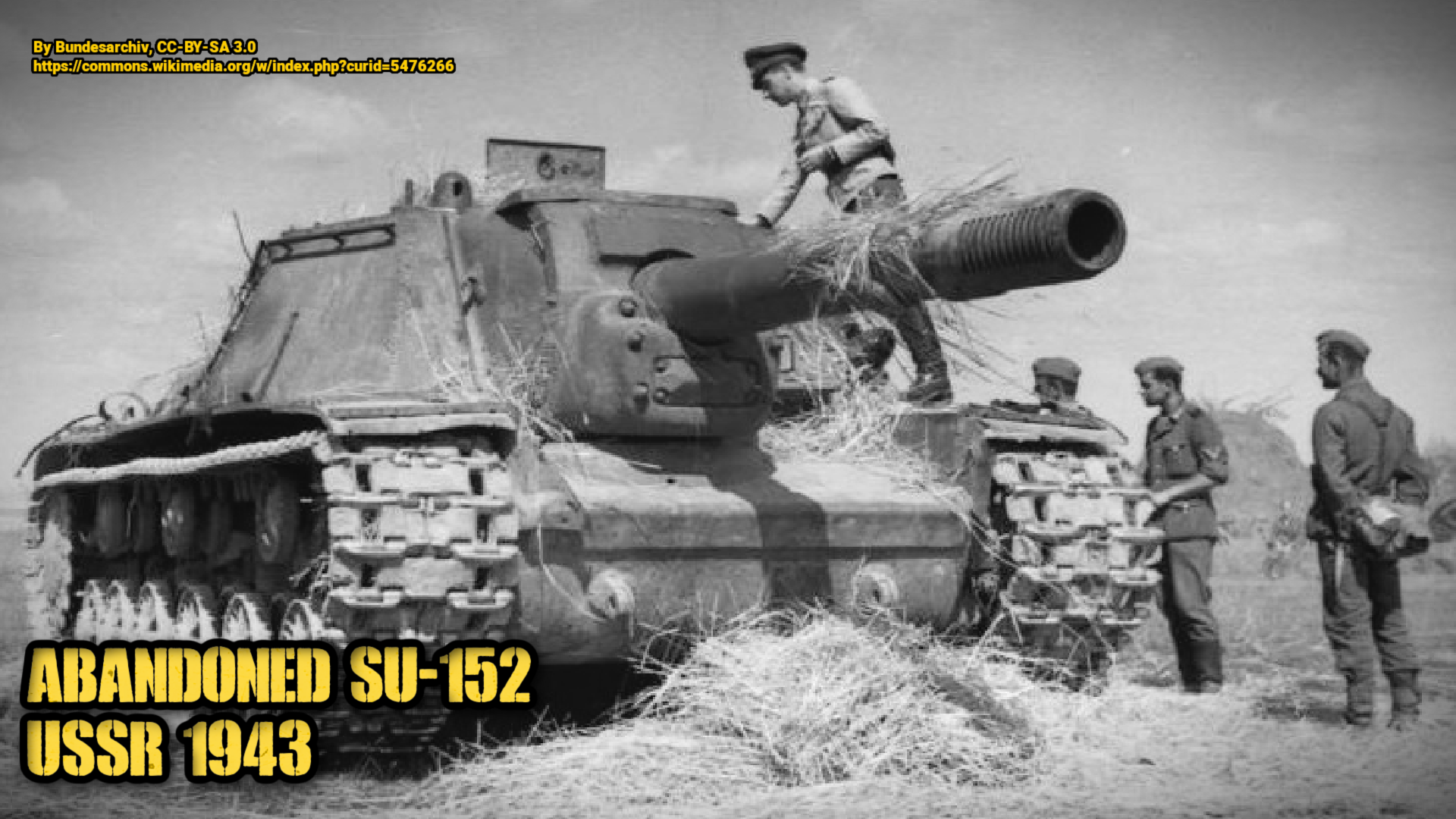
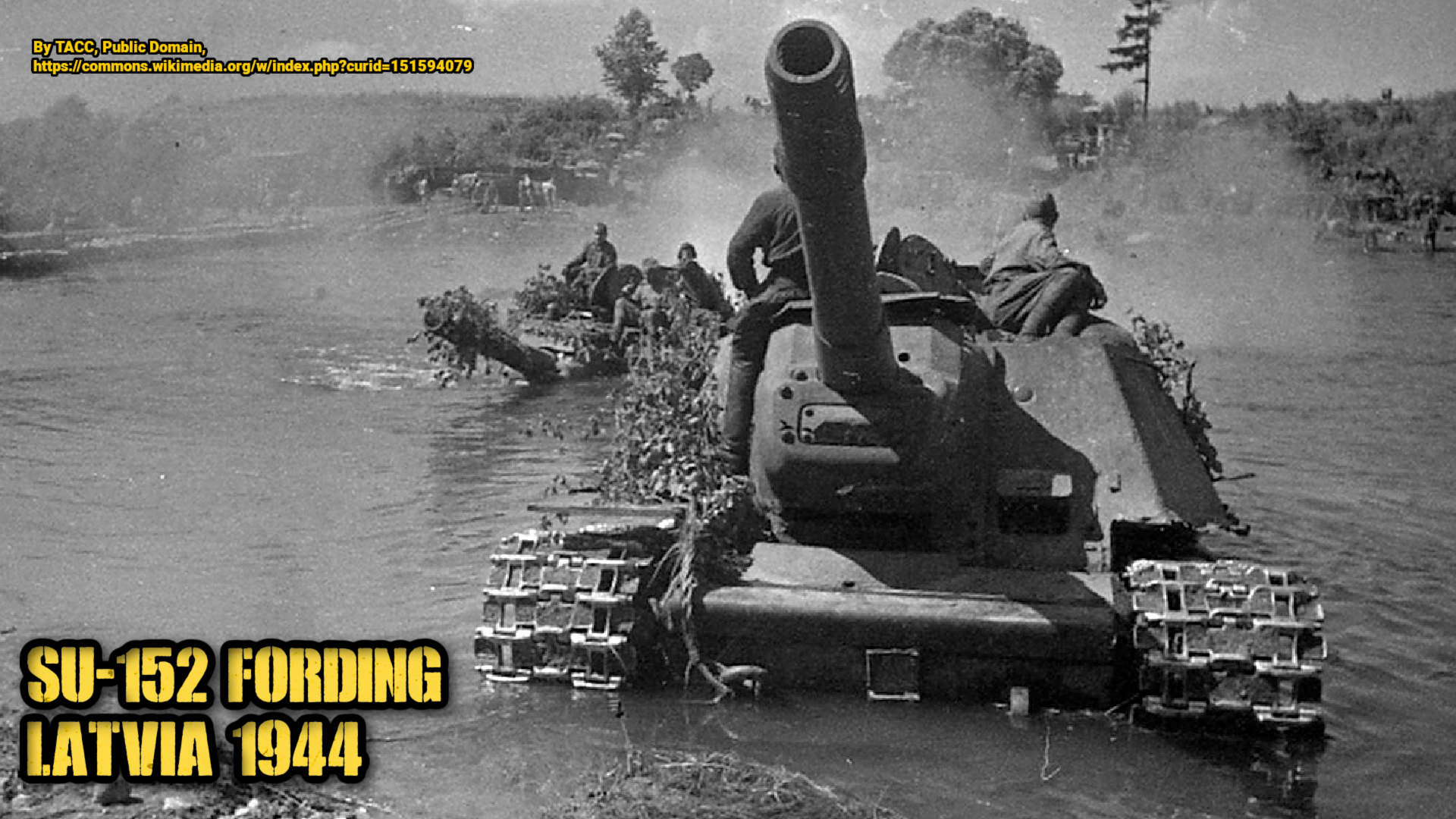
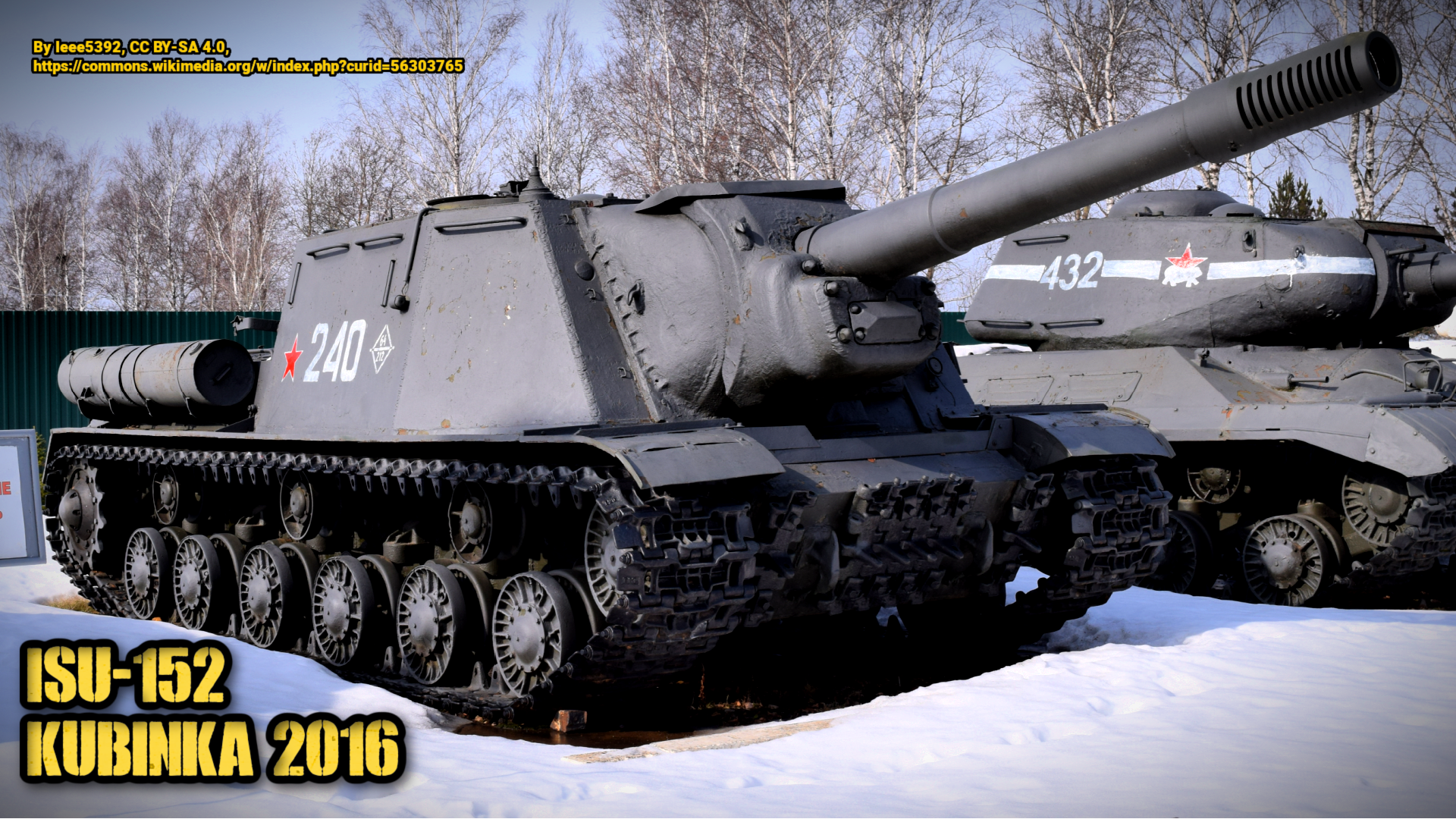
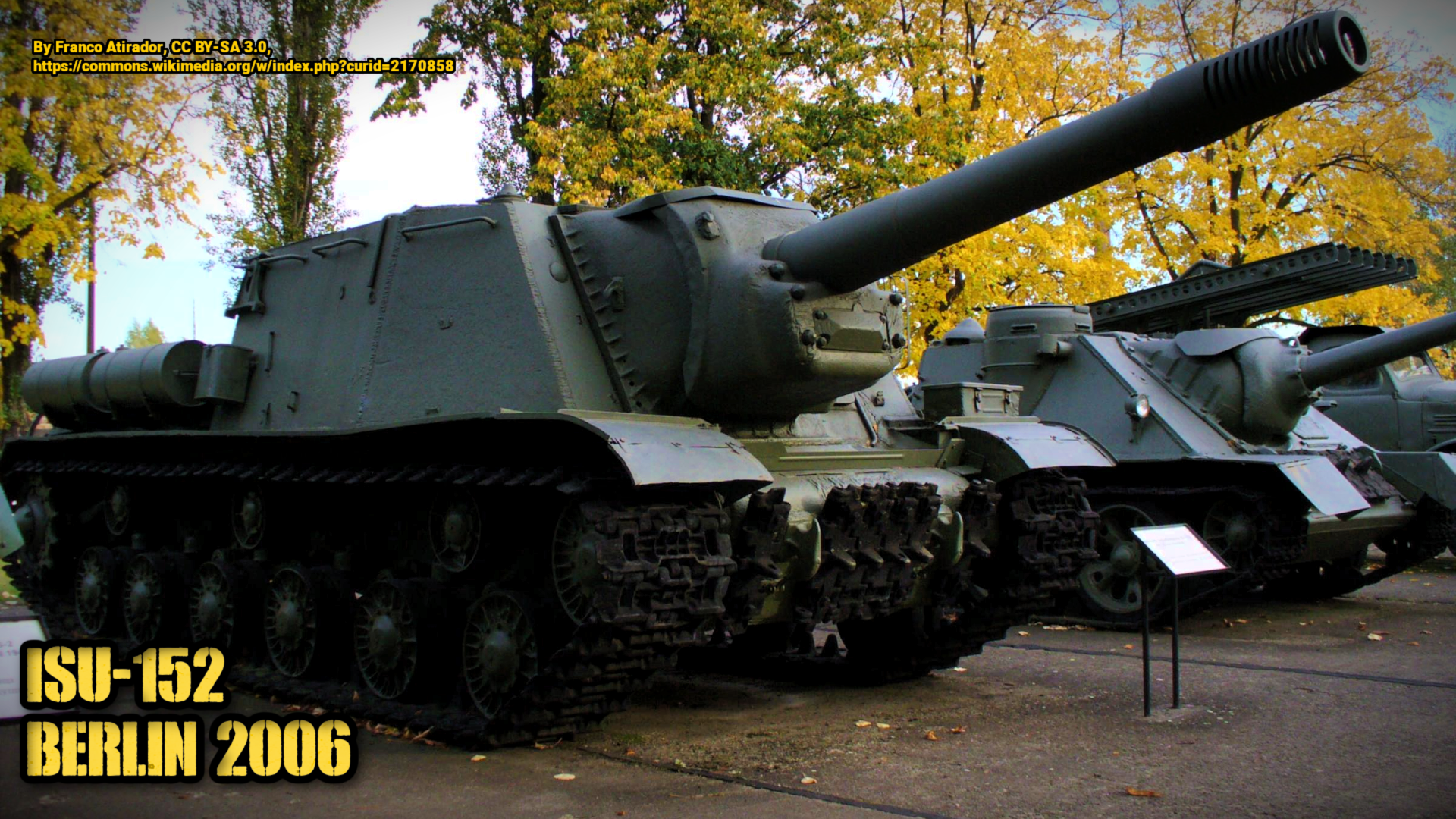
Following Stalingrad the Red Army wanted a self-propelled assault gun. And they wanted it with a really big honking gun. And so they came up with first the SU and later the ISU-152's.
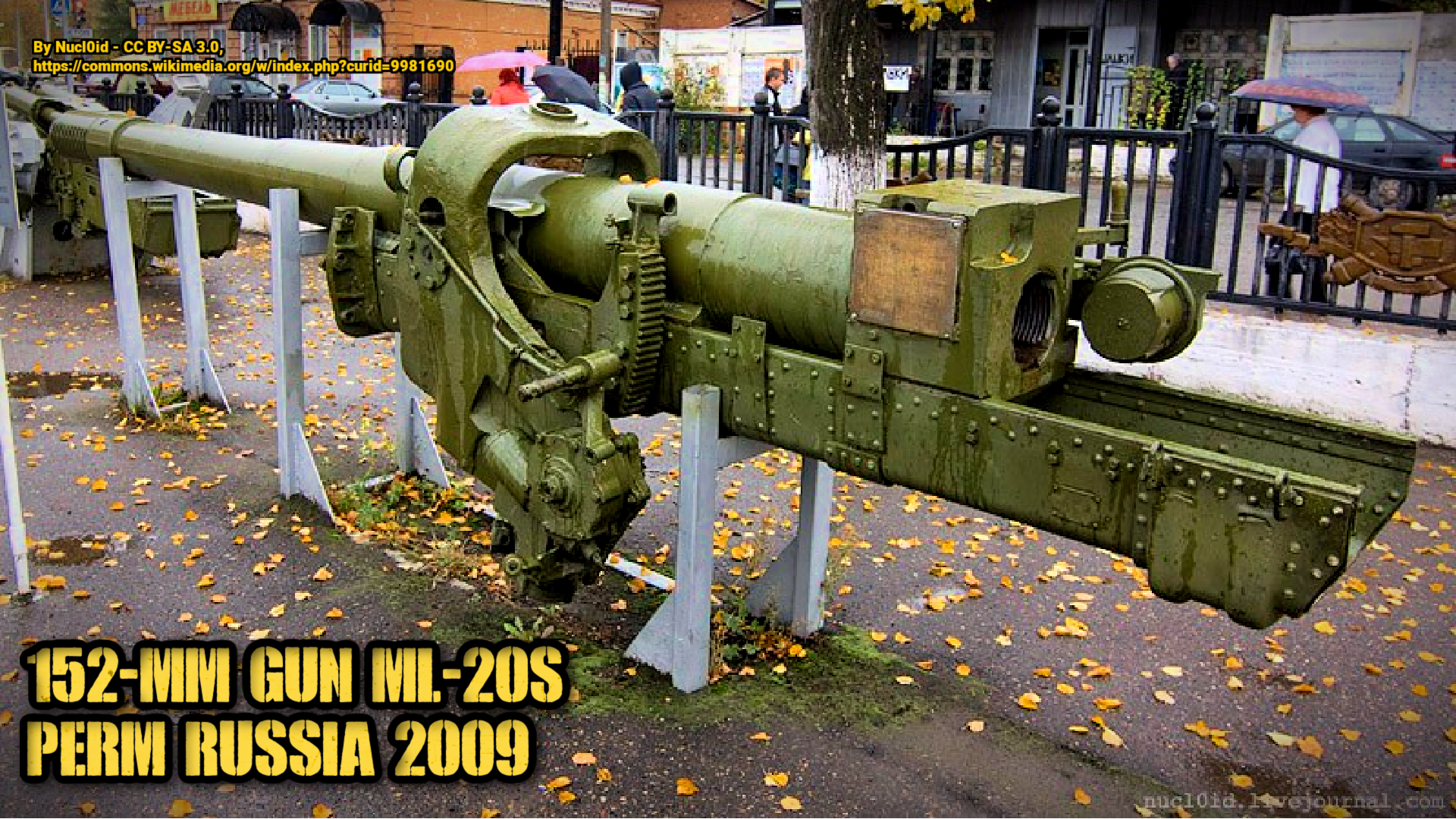
With a 152mm howitzer chonking out great big lumps of high explosive. They were known to their friends as "Zveroboy" or "Beast Killer".
And we're going to talk about them with you for quite some time!
Slideshow:
Links:
Bradley replacement shootout. TWZ
UK Israel sanctions. Times of Israel
Falklands and Northern Ireland. BBC
The Tanks of Iwo Jima. Mike’s Research
Testosterone treatment for American warriors with wing wangs. Ars Technica
The dangerous life is Ed Husic. ABC
Bad times at sea. Guardian
The Windows Exodus begins. Times of India
Houthis on the march. The Conversation
Upcoming live stream: The Beast Killers
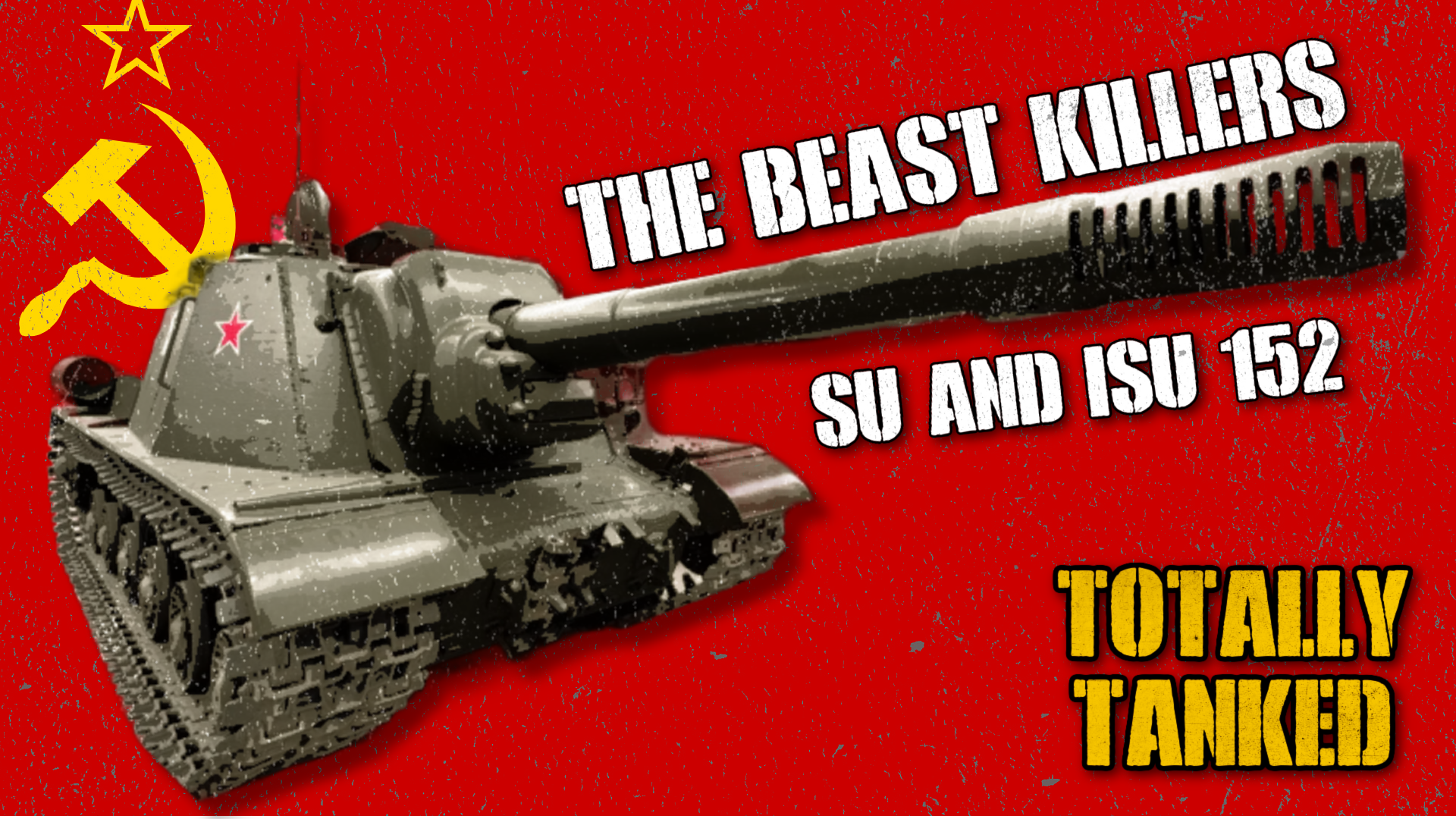
Coming up the weekend of 19 September we're diving in the Beast Killers! That is the SU and ISU-152.
The Soviets made large numbers of 152mm assault guns and we want to talk about them.
Set your notifications at: https://youtube.com/live/U-TGBRwH5pA?feature=share


